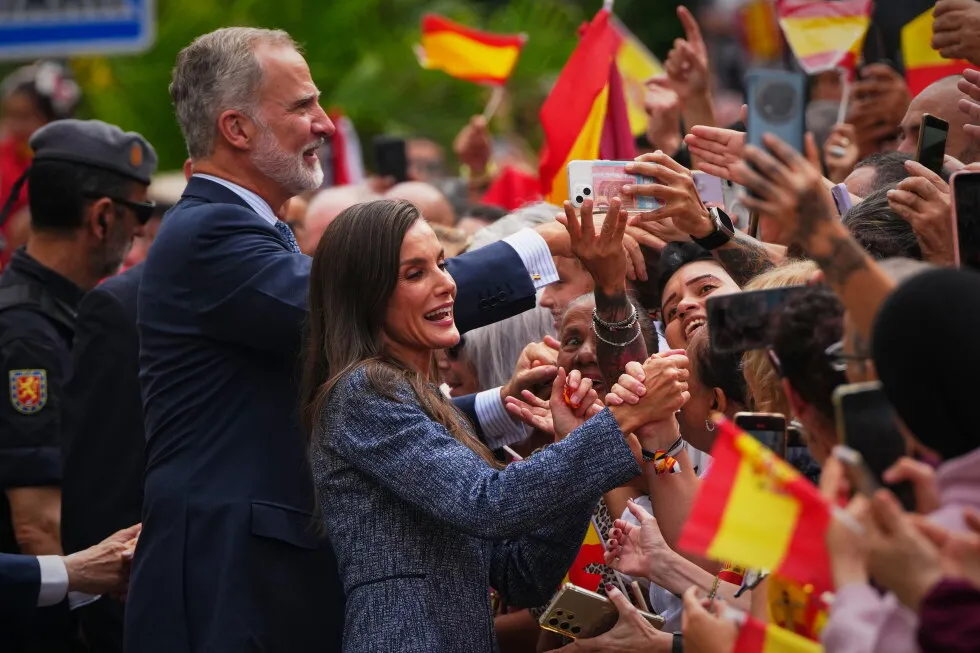
When it comes to the unique bond that Argentinians share with any nation, Spain stands out prominently. This relationship has its roots in the 15th century, when the Spanish Crown commenced its conquest of the American territories. For nearly 250 years, Argentina was part of the Spanish Empire, a period that left an indelible mark on the country's language, religion, legal framework, political organization, and traditions. Spain is renowned for its culinary delights such as paella, tortilla de patatas, and jamón ibérico, as well as cultural expressions like bullfighting and flamenco. In light of the upcoming World Cup 2026 final, it is essential to delve deeper into the historical and cultural ties that bind Argentina and Spain.
Strong Historical Connections
The connection between Argentina and Spain cannot merely be attributed to colonial history. Between the mid-19th century and the first half of the 20th century, Argentina became the destination for one of its most significant migration waves, with approximately two million Spaniards arriving in search of better opportunities. This influx was largely driven by economic crises and later by the ramifications of the Spanish Civil War and Franco's regime. As a result of this massive immigration, Spanish presence became deeply embedded in Argentine society, with estimates suggesting that nearly half of the Argentine population has Spanish ancestry.
Brais Freire, a contemporary history researcher at the University of the Basque Country, emphasized that "Spain and Argentina share language, familial ties, cultural references, and a long history of population movements in both directions." He noted that while Argentina welcomed hundreds of thousands of Spaniards during the 19th and 20th centuries, in recent decades, a reverse migration trend has emerged, with many Argentinians now choosing Spain as their home for study, work, or residence. Currently, over 450,000 Argentinians live in Spain, and around 500,000 individuals have Spanish citizenship, a number that has grown in recent years due to expanded mechanisms for recognizing nationality for descendants of immigrants.
Citizens from Ibero-American countries can apply for Spanish nationality after just two years of legal residence, significantly less than the general ten-year requirement, and they are not required to renounce their previous nationality. This has greatly facilitated their legal integration. Additionally, the so-called "grandchildren's law," included in the Democratic Memory Law, allows descendants of Spaniards who emigrated or were exiled due to the Civil War and dictatorship to apply for nationality.
The Current Political Landscape in Spain
Spain has maintained a parliamentary monarchy since the approval of its constitution in 1978, following the return to democracy after the dictatorship of Francisco Franco, who ruled from 1939 to 1975. The monarch serves as the head of state, fulfilling representative and institutional roles, while executive power rests with the president of the government, currently Pedro Sánchez, and the Parliament. Although the monarchy was viewed as a symbol of the transition to democracy for decades, its image has deteriorated. The turning point came during the reign of Juan Carlos I, who was appointed by Franco as his successor from 1975 until 2014. While Juan Carlos I was initially recognized for his role in consolidating democracy, his popularity waned due to a series of scandals, including a controversial elephant hunting trip to Botswana during an economic crisis, leading him to abdicate in favor of his son, Felipe VI.
Since then, Felipe VI has attempted to restore the institution's prestige through a more austere and transparent image. However, left-wing parties like Podemos and other allied sectors advocate for a referendum to allow citizens to choose between maintaining the monarchy or transitioning to a republic. Despite this, historian Gutmaro Bravo pointed out that the idea of moving to a republic is not widely popular among Spaniards, as there are very few republican political forces, although discontent with the monarchy is rising across the political spectrum. Surveys indicate that the monarchy no longer enjoys the broad consensus it once had, and a study from the University of Murcia shows that 51.5% of Spaniards would prefer a republic, making Spain the European country most dissatisfied with its monarchy.
Furthermore, Spain has become a crucial entry point for thousands of migrants and asylum seekers fleeing wars in Africa, the Middle East, and more recently, Ukraine. Its geographical location, just 14 kilometers from Africa at the Strait of Gibraltar, positions it as a significant access point to the European Union. This has placed considerable pressure on Spain's reception system, especially in the Canary Islands, where thousands arrive each year after perilous crossings from the western African coast.
As Spain grapples with its migration policies, the situation continues to evolve, with a growing political discourse around immigration and asylum. While the government maintains a policy of reception and protection for eligible asylum seekers, opposition sectors demand stricter border controls. The rise of the far-right party Vox has intensified the political confrontation over asylum and immigration issues.
For more details on the deep-rooted ties and contemporary issues facing Spain, please refer to the original article here: As reported by es-us.noticias.yahoo.com.