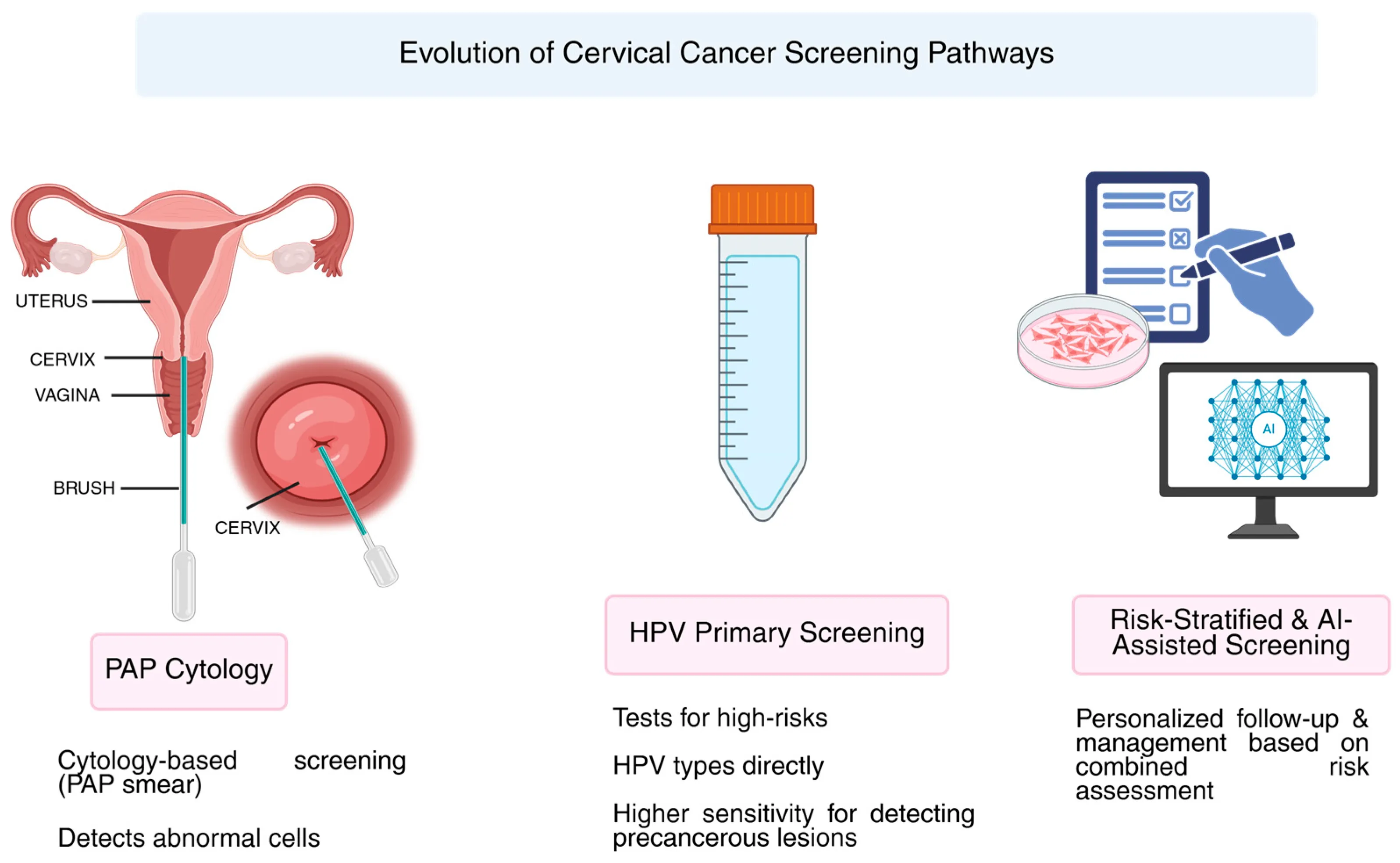

Introduction to HPV Testing in Morocco
Human papillomavirus (HPV) testing has become increasingly recommended as a critical method for cervical cancer screening, particularly in regions where the disease burden is significant. In Morocco, a pilot study has been conducted to evaluate the acceptability and feasibility of large-scale HPV testing. This initiative involved 999 women aged either 30 or 40 years across four provinces, aiming to understand how such testing could be integrated into the healthcare system. The methodology entailed face-to-face interviews alongside HPV testing utilizing the GeneXpert system, which is celebrated for its rapid and reliable results.
Key Findings and Implications
The study successfully invited 1,097 women, of which an impressive 91.1% participated, highlighting the strong interest in cervical cancer screening. A majority of participants (62.9%) were from urban settings, with age demographics evenly split between those in their 30s (46.0%) and 40s (54.0%). Notably, most samples were received without complications affecting the testing process, and the average turnaround time from sample collection to test results was just 7.5 days. Of the samples assessed on the GeneXpert workstation, only 1.1% yielded invalid results. Among the 972 valid samples, HPV DNA was identified in 4.8%, with HPV type 16 being the most prevalent at 27.7%.
Interestingly, 21.3% of HPV-positive participants opted out of undergoing colposcopy, which is a critical follow-up procedure for abnormal findings. For those who did proceed, abnormal results were observed in 51.4% of cases, including various grades of lesions and suspected invasive cancer. Biopsies indicated that 47.4% of patients had normal findings, while 21.1% exhibited CIN1, 10.5% CIN2, 15.8% CIN3, and 5.2% had carcinoma in situ. This data underscores the importance of adhering to the World Health Organization (WHO) guidelines for comprehensive cervical cancer control, as established in their 2014 recommendations.
Conclusively, the findings from this pilot study suggest that HPV testing through the GeneXpert platform could serve as a reliable and user-friendly tool for the early detection of cervical lesions. This method has the potential to significantly reduce the incidence and mortality associated with cervical cancer in Morocco, thereby enhancing public health outcomes.
As reported by nature.com.