The Impact of Muhammad al-Idrisi and His Work
Muhammad al-Idrisi stands as one of the most significant figures in the history of geography, often celebrated for his remarkable contributions during the medieval period. In a previous article, I explored the life of this illustrious Muslim geographer, setting his achievements against the backdrop of his time. In this piece, I delve into what truly catapulted him to fame: his monumental geographic work, "The Book of Roger." This text is not just a collection of maps and descriptions; it embodies the intellectual spirit of the Islamic Golden Age.
Historian Marina A. Tolmacheva highlights the scarcity of complete translations of al-Idrisi’s work, noting that only ten manuscripts survive, with eight containing maps. However, the challenge remains that a comprehensive English translation is yet to be realized. My own encounters with al-Idrisi's writings were limited to a French translation that primarily covered his observations on Africa and Spain, which I translated into English. This exploration aims to provide readers with a glimpse into al-Idrisi's profound insights and the academic rigor he employed in his geographic analyses.
Al-Idrisi's Geographic Insights and Observations
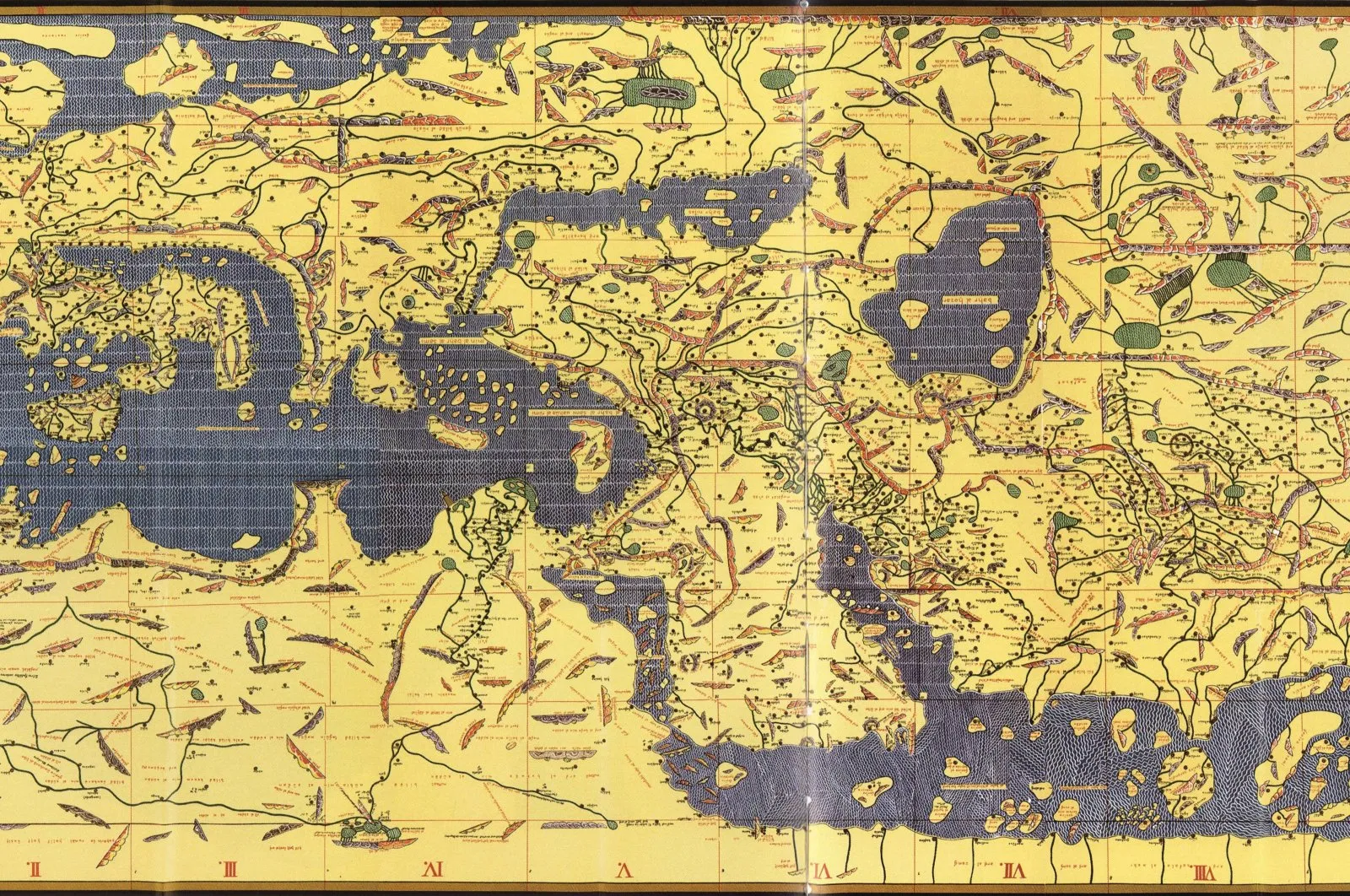
In "The Book of Roger," al-Idrisi reveals a remarkable understanding of the Earth's spherical nature, echoing the knowledge of earlier scholars. He asserts, "the earth is round like a sphere, and the waters adhere to it and are maintained on it through natural equilibrium, which suffers no variation.” Al-Idrisi divides the world into seventy regions by intersecting the seven latitudinal climatic zones established by Ptolemy with ten lines of longitude, showcasing his innovative approach to geography. As a Moroccan, his personal experiences informed his observations, yet his work extends far beyond the familiar, reaching as far east as Korea, known to him as Sila. Notably, Tolmacheva remarks on the unbiased nature of al-Idrisi's geographic account, where all locations receive equal attention, highlighting the importance of his work in identifying places previously uncharted in geographic literature.
A closer examination of his portrayal of the Algerian city of Constantine reveals much about both the city and al-Idrisi himself. He describes Constantine as a "populous and commercial city" filled with wealthy inhabitants, surrounded by fertile agricultural land capable of sustaining its people through harsh times. Al-Idrisi notes the remarkable subterranean storerooms capable of preserving wheat for up to a century, reflecting an advanced understanding of food storage and resource management.
Al-Idrisi's description of the city's geographical layout is equally meticulous. He details its isolated promontory shape, accessible only from the west through a small gate, emphasizing the city's defensive capabilities. The walls, though low, protect the city from threats, while its elevated position allows it to dominate the surrounding plains. His observations extend to the architectural remnants of the Roman period, including an impressive bridge that he describes in detail, underscoring his appreciation for engineering marvels. Al-Idrisi’s narrative eschews the romanticized depictions common in tales like "The Thousand and One Nights," instead opting for an analytical lens focused on economic foundations, defensive strategies, and infrastructural highlights.
Al-Idrisi’s geographical insights are not limited to areas he personally visited. His account of the South Asian city of Multan provides another layer to his geographic narrative. While describing Multan as a significant city with a notable Hindu presence, he mentions a grand temple dedicated to the Sun-god, reflecting a non-judgmental approach to different cultures and religions. This commitment to an objective perspective is a hallmark of his scientific methodology.
Despite the errors present in his geographic theories, such as misconceptions about England's climate and the source of the Nile, al-Idrisi’s work remains a testament to his logical framework and empirical reasoning. His theories on latitudinal zones, while flawed, were grounded in the empirical observations he made during his travels, illustrating the ongoing quest for knowledge that characterized his era.
Al-Idrisi's life came to an end around 1165 or 1166, amidst the backdrop of a changing political landscape where the Normans had recently conquered Sicily. His legacy, however, transcended geographical and cultural boundaries. He influenced subsequent scholars, including the notable Ibn Khaldun, and his work became the first secular Arabic text to be printed in Europe. The enduring impact of Muhammad al-Idrisi is evident in the way he bridged diverse worlds—Muslim and Christian—through his geographic explorations and intellectual inquiries.
As reported by dailysabah.com.