
The Living History of Morocco's Medinas
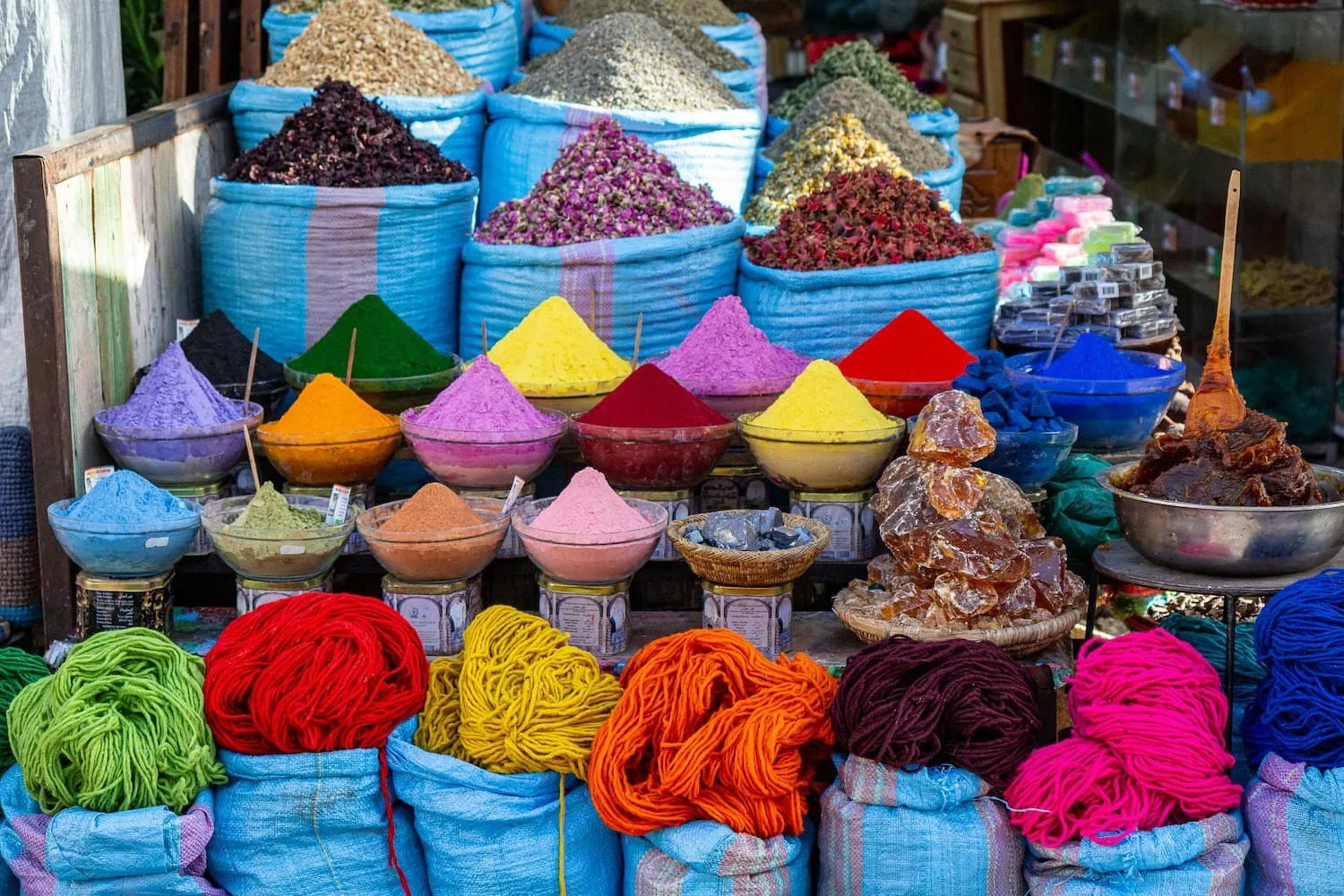
Morocco's medinas are far from being mere open-air museums; they are vibrant living histories brimming with sounds, scents, and contradictions. As you stroll through their narrow alleys, you traverse centuries past, feeling as though you have not entirely left the present behind. These medinas are the historical hearts of their respective cities, often unchanged since the Middle Ages, characterized by towering limestone or red clay walls that define an invisible threshold from the bustling outside world. Upon crossing this threshold, one enters a realm where artisan workshops spill into the streets, merchants display their goods, and the air is infused with the aromas of fresh flatbread, dried herbs, and leather dye.
Unlike designated tourist zones, these medinas function as dynamic urban environments with their own rhythms. Mornings bustle with activity in the food markets, a brief tranquility descends at noon, and as evening approaches, cafés and public squares come alive with chatter and laughter. While this pattern is consistent across all eight of Morocco’s medinas, each one possesses its unique character and atmosphere.
A Closer Look at Morocco's Unique Medinas
For many first-time visitors to Morocco, Marrakech is often the starting point. This vibrant city, known as the Red City, captivates with its loud, dense, and colorful medina. The Djemaa el Fna square transforms throughout the day, bustling with snake charmers, juice vendors, and storytellers, only to morph into an expansive open-air kitchen at night, with rising columns of smoke visible from afar. Wandering away from the square into the surrounding souks reveals a richly structured marketplace, with carpet weavers on one corner, silversmiths on another, and dyers just a few alleys down.
In contrast, the medina of Fès, recognized as a UNESCO World Heritage site since 1981, offers a quieter yet equally intense experience. Celebrated as one of the best-preserved medieval cities globally, Fès is home to the famous Chouara tannery, where animal hides have been dyed in circular stone basins for centuries, a process that remains largely unchanged. Walking through Fès feels like journeying through eras of Islamic scholarship, evident in the intricately tiled Quranic schools and the historic trade routes that once welcomed caravans from Sub-Saharan Africa.
Beyond the bustling metropolises lie lesser-known medinas that offer authentic experiences for the curious traveler. Essaouira, perched along the Atlantic coast, boasts fortifications that extend into the sea, creating a striking landscape. The constant winds have made it a favorite destination for windsurfers. Here, spice stalls intermingle with artisan workshops and Argan oil cooperatives, providing a more relaxed atmosphere compared to Marrakech, with shorter distances and more negotiable prices.
In the Rif Mountains, Chefchaouen stands out with its charming blue-washed facades and winding staircases, drawing photographers from around the globe. Yet beneath its Instagram-worthy surface lies a lively town with functioning markets and Berber craftsmanship. The origin of the iconic blue hue is debated, with some attributing it to Jewish immigrants from the 15th century and others to more recent beautification efforts by the city council—both narratives likely contain elements of truth.
In the Souss Valley, the least touristy of Morocco's eight medinas, Taroudant is encircled by impressive mud walls, fostering a market life largely oriented toward local residents. Here, the souks are not mere spectacles but essential infrastructures for everyday commerce, allowing shoppers to pay local prices. Located halfway between Essaouira and Casablanca, Safi is renowned as a center of Moroccan pottery, where family-run businesses have been crafting blue-green ceramics for generations. The compact medina is anchored by a Portuguese citadel, making it navigable and inviting.
The northern city of Tétouan showcases the Moorish-Andalusian influence more prominently than any other Moroccan city. Refugees expelled from Granada after the Reconquista in 1492 brought architectural styles that are still evident in Tétouan's stucco-decorated facades and Andalusian-style plazas. Furthermore, Tétouan's medina is a UNESCO World Heritage site and, in comparison to the southern metropolises, remains refreshingly uncrowded.
Finally, Tangier occupies a unique position among these eight cities. Once an international zone for decades, it became a meeting place for diplomats and writers, leaving an indelible mark on its culture, reflected in the cafes of the medina and the legends of influential American writers like Paul Bowles and William Burroughs. Tangier is the most permeable of the eight cities, embodying a blend that has never been solely Moroccan.
Despite following the same fundamental principle of being walled cities that have evolved over centuries and remain inhabited today, the medinas of Morocco are strikingly diverse. Marrakech overwhelms and exhilarates; Fès demands time and orientation; Essaouira offers a reciprocal calm; Chefchaouen thrives on its beauty, while Taroudant reflects the daily lives of its residents. Traveling through Morocco reveals that no two medinas are alike, each providing a distinct narrative waiting to be uncovered.
As reported by reisenexclusiv.com.