
Investigating Water Resource Distribution in Morocco
The Water Basin Agency of Sebou is currently conducting a comprehensive study aimed at evaluating the potential for interlinking the sub-basins of the Righa, Laban, and Inawan rivers. This initiative comes in response to the significant disparities observed in water resource distribution within the basin, exacerbated by the increasing pressures resulting from consecutive years of drought and climate change. The study is expected to provide crucial insights into the optimal volume of water that can be transferred, the appropriate timing for such transfers, the necessary hydrological thresholds to be respected, as well as potential technical pathways and infrastructure. Additionally, it will assess the economic and investment costs involved, ultimately facilitating the selection of the most suitable solution from technical, economic, and environmental standpoints.
Enhancing Water Security in Fes and Meknes
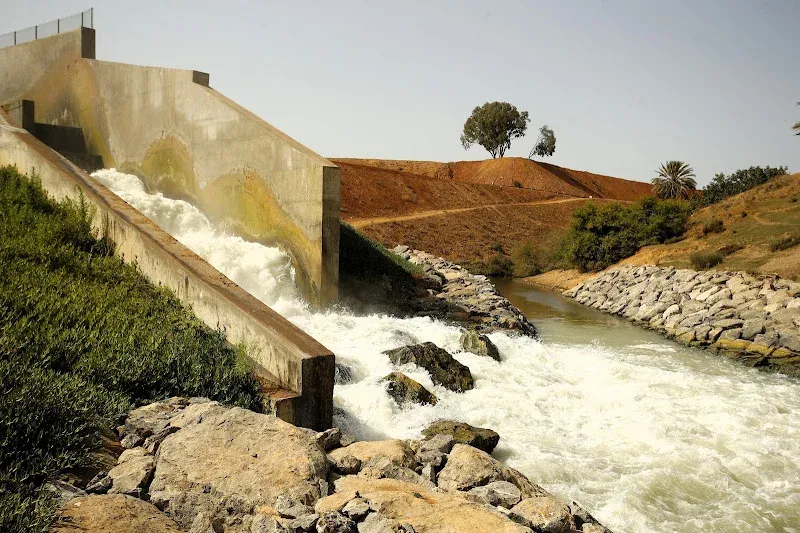
According to informed sources, the study's objective is to evaluate the feasibility of regularly and systematically transferring a portion of the available water resources from the Righa basin to the Idriss I dam, while ensuring that this does not adversely affect the water needs and usage within the Righa basin. Over the past seven years, Morocco has experienced a clear disparity in hydrological conditions among its sub-basins, with the Unity Dam in the Righa basin maintaining significant water reserves—never dropping below half its capacity during challenging periods. In contrast, the Idriss I dam, located in the Inawan basin, has struggled with low water inflow, often remaining below 25% of its capacity. This stark contrast highlights the critical need for studying the possibility of redirecting water resources from the more abundant Righa basin during favorable hydrological conditions to bolster the supplies at the Idriss I dam.
The importance of this study is further underscored by the vital role that the Idriss I dam plays in securing potable water for the cities of Fes and Meknes, which rely on water supplied from the dam through a dedicated transport canal. This canal serves as a strategic artery for supplying several urban centers situated along or near its route, through the establishment of necessary connection points and intake structures. Enhancing the water resources of the Idriss I dam is expected to contribute significantly to the sustainability and security of water supply for Fes, Meknes, and associated urban areas, particularly during times of reduced water inflow.
Moreover, the provision of additional surface water resources to this system is anticipated to alleviate pressure on the Saïs aquifer by reducing reliance on groundwater for drinking water supply needs, thereby protecting these vital resources. In conclusion, if the feasibility of this interlinking proves beneficial, it could serve as a tool to enhance water integration and solidarity within the Sebou basin, improving the resilience of the water system and its ability to cope with drought periods while ensuring long-term potable water needs.
As reported by hespress.com.