Unprecedented Testimonies Unveiling a Web of Corruption
A significant wave of security and judicial vigilance has enveloped Salé’s Zaki prison following Ahmed Ben Ibrahim’s—dubbed the “Escobar of the Sahara”—recent explosive testimonies to Moroccan judicial authorities. His revelations have been characterized as both shocking and destabilizing, bringing to light a complex web of relationships among prominent political and business figures and revealing a deeply entrenched connection between power, wealth, and international narcotics trafficking within the Makhzen's framework.
Ben Ibrahim’s journey from a rural shepherd to a pivotal figure in international cocaine and cannabis smuggling has prompted renewed scrutiny regarding the systemic complicity that facilitated his rise. Recent hearings have unveiled details of protective mechanisms that allowed him to operate across international borders, effectively shielding him from multiple arrest warrants, including those issued by Interpol.
Political Implications and Judicial Integrity Under Scrutiny
More alarmingly, the courtroom proceedings have unveiled grave allegations against members of the Moroccan military stationed along the borders, suggesting they were complicit in enabling the transit of substantial drug shipments in exchange for financial incentives. These operations were reportedly orchestrated in collaboration with influential political and economic figures, including Abdennabi Bioui, framing the case within a larger context of organized influence.
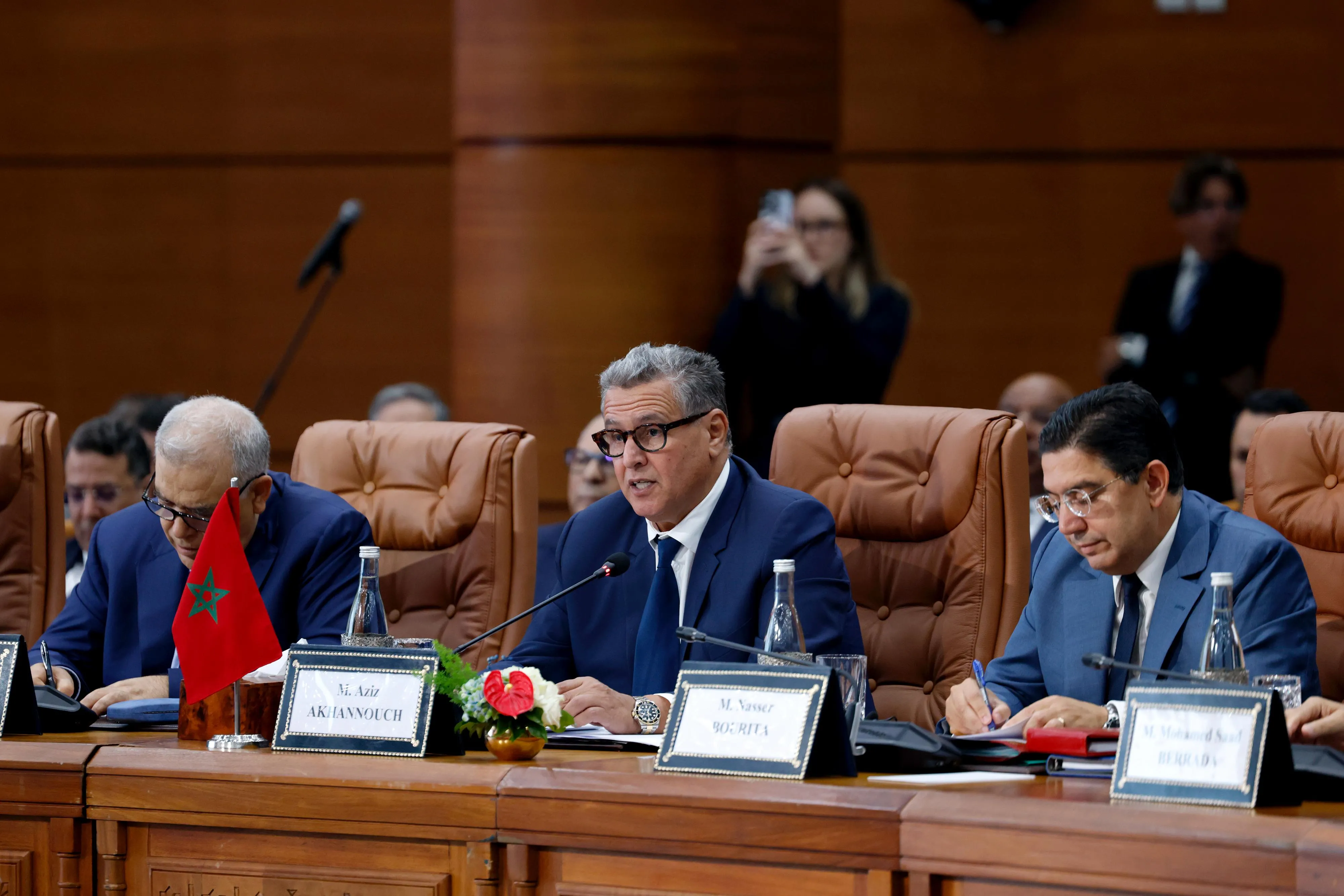
The political fallout from these revelations has reached the highest echelons of government, with names such as Abdellatif Ouahbi and Mohamed Mehdi Bensaid appearing in official documents, subjecting the executive branch to intensified examination. Analysts posit that the renewed focus on this case reflects not an independent judicial awakening, but rather the impact of external pressures, especially after European media investigations highlighted intelligence failures regarding trafficking routes and the exploitation of illicit financial flows.
At the heart of this escalating crisis lies a profound concern regarding the integrity of the judicial process. While new legal actions are expected in response to Ben Ibrahim’s latest disclosures, a palpable skepticism persists. The fear is that these proceedings may devolve into mere symbolic trials, aimed at mitigating international critique while preserving the status quo.
Furthermore, Ben Ibrahim's recent complaint from within detention heightens this dilemma, confronting the Moroccan state apparatus with a critical choice: either to pursue the unmasking of a vast network linking political power to organized crime or to limit accountability to lower-tier individuals, thereby safeguarding the upper echelons from scrutiny.
As reported by dzair-tube.dz.