
Vox's Controversial Request Regarding the World Cup
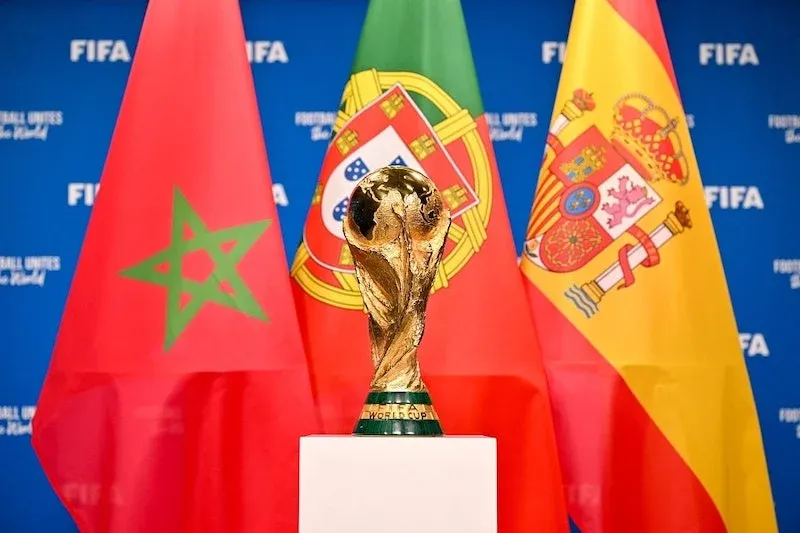
In a bold political maneuver, the far-right Vox party in Spain has formally requested the exclusion of Morocco from co-hosting the 2030 FIFA World Cup, which is set to take place in collaboration with Portugal and Spain. This request stems from the recent immigration crisis in Ceuta, which has raised significant concerns among political leaders regarding Morocco's ability to ensure security and order during an event that is expected to attract millions of fans from around the globe. The party's statement highlighted the surge of migrants entering Spanish territory from Morocco, suggesting that this influx compromises the Moroccan government's capability to provide the necessary safety protocols for such a high-profile international event.
Vox's assertions were echoed by leftist parties, including Podemos and Sumar, which argue that Spain should not partner with a country they label as a "dictatorship" that exploits desperate individuals for its geopolitical interests. They contend that Morocco's governance and human rights record are inadequate for hosting a global event like the World Cup, thus supporting Vox's call for exclusion. The political tension surrounding immigration issues has intensified in recent months, with Spain's interior ministry reporting approximately 72,000 illegal entries into Ceuta over a brief period, a record number that has alarmed many in the Spanish political landscape.
FIFA's Position and Future Implications
Despite the political uproar, it is crucial to note that Vox's proposal to parliament lacks a real chance of success, as the decision to award the World Cup hosting rights lies exclusively with the Fédération Internationale de Football Association (FIFA). In late 2024, FIFA officially awarded the 2030 World Cup to the joint bid of Spain, Portugal, and Morocco, after a competitive selection process that saw no other contenders. Historically, FIFA has never revoked hosting rights once granted, even amidst significant controversies, such as the debates surrounding Qatar's hosting of the 2022 World Cup.
A FIFA representative recently clarified that no decisions have been made about the final match's host city for the upcoming World Cup, emphasizing that any claims to the contrary are misleading. The challenges posed by migration and geopolitical tensions continue to loom large over the preparations for the tournament, as parties on both sides of the political spectrum express their views on Morocco's involvement. This debate reflects broader societal issues regarding immigration and national security in Europe, making it a pivotal point of discussion as the world approaches this major sporting event.
As reported by hespress.com.