
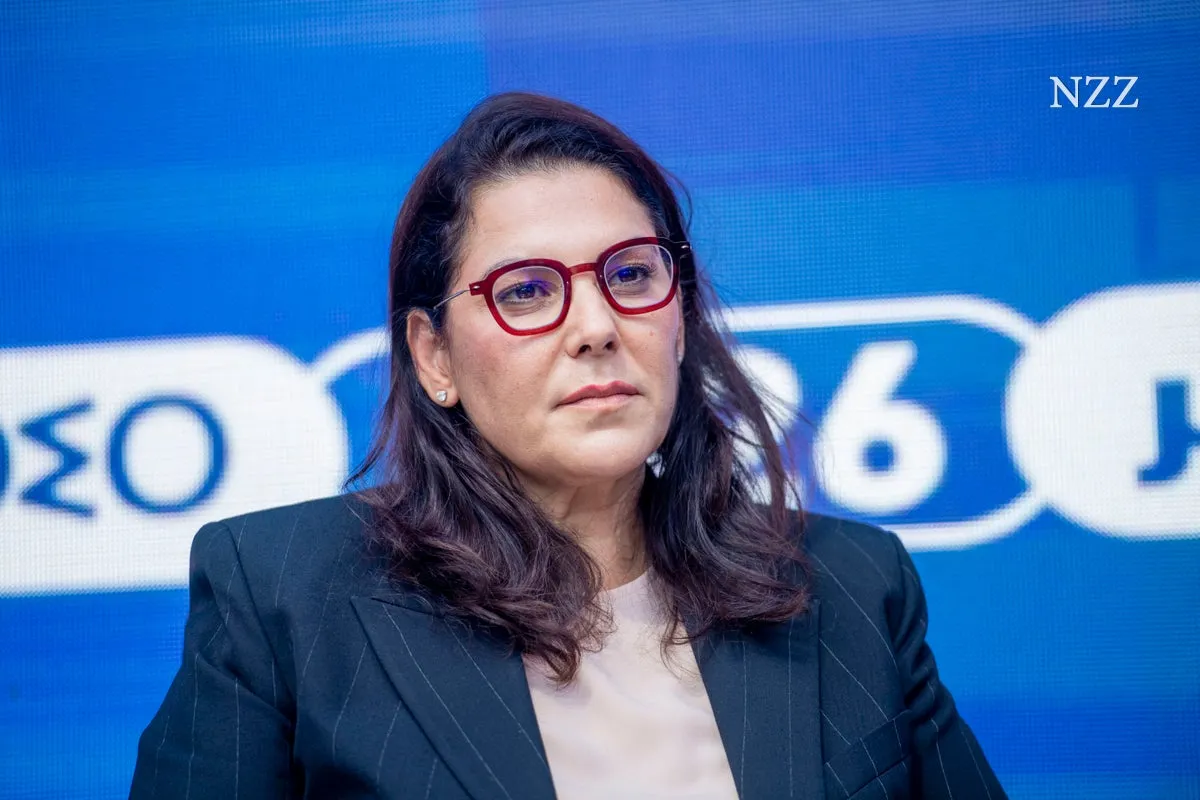

In a groundbreaking move for Morocco, King Mohammed VI appointed Fatima al-Zahra al-Mansouri as the country's first female Prime Minister at the end of September 2026. This decision, which caught many Moroccans by surprise, signals a potential shift in the political landscape of the North African kingdom, despite al-Mansouri's established ties to the political elite as the long-serving mayor of Marrakech. Her rise to leadership comes with the significant challenge of forming a coalition government in a context where her appointment has not been universally accepted, reflecting the complexities and resistance that often accompany progressive political changes in traditional societies.
Fatima al-Zahra al-Mansouri's academic background is impressive, having studied law in Morocco, France, and the United States, which equips her with a robust understanding of both domestic and international legal frameworks. As she embarks on her new role, the expectations are high, not only because she is a woman in a position traditionally dominated by men but also due to the socio-political challenges that lie ahead. Her leadership will be closely scrutinized as she navigates the intricacies of coalition politics, aiming to unify diverse factions while promoting policies that could advance women's rights and social reform in Morocco.
Al-Mansouri's appointment is emblematic of a broader trend in the region toward increased female representation in governance, yet it also raises questions about the actual impact she can have in a system that may not fully embrace such changes. The coming months will be critical for her administration as she attempts to implement her vision for Morocco during a time of both opportunity and adversity. Her ability to foster dialogue, promote inclusivity, and address pressing national issues will determine not only her success but also the future trajectory of gender politics in Morocco.
As reported by nzz.ch.

