
Fatima Zahra Mansouri: A Historic Appointment in Moroccan Politics
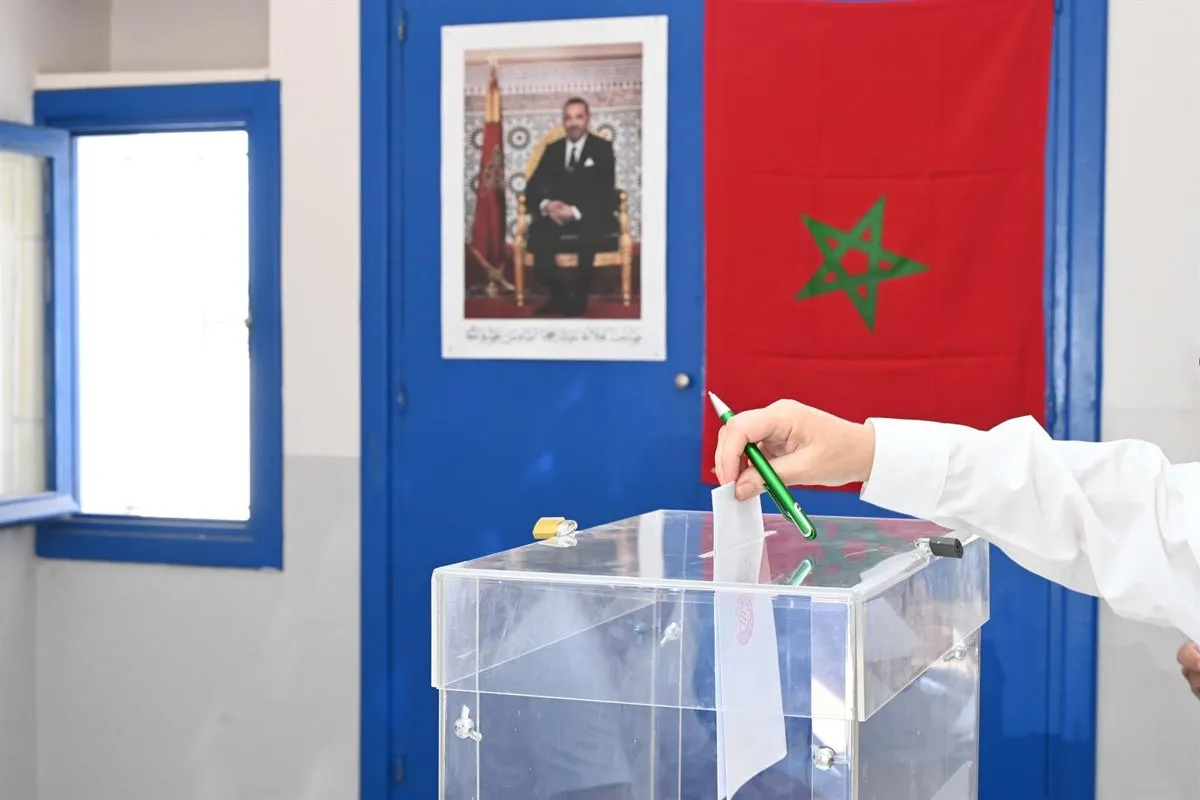
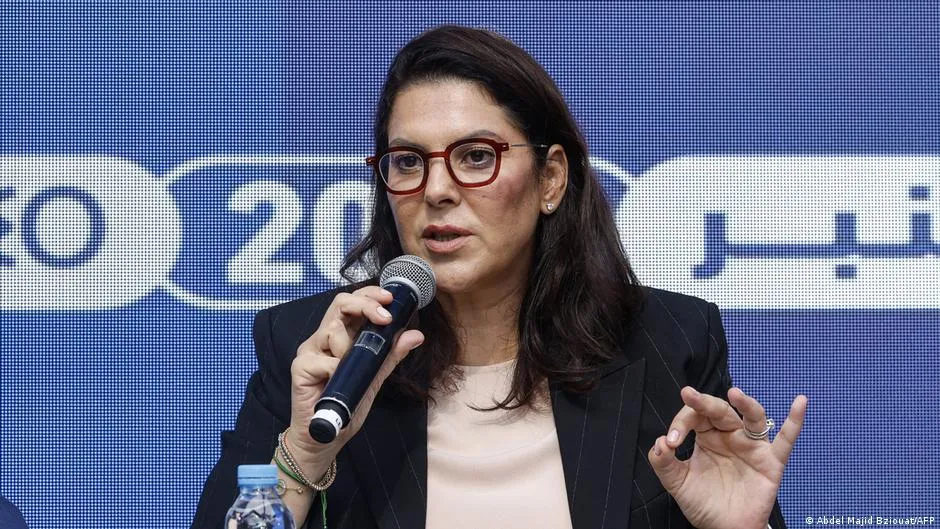
In a groundbreaking move for gender equality in Morocco, King Mohammed VI appointed Fatima Zahra Mansouri as the country’s first female Prime Minister. The 50-year-old lawyer and politician has made history following her party, the Authenticity and Modernity Party (PAM), winning significant seats in the recent legislative elections. Her appointment comes at a time when Morocco faces pressing social challenges, including the need to regain the trust of youth in governmental institutions and to address stark social inequalities.
A Political Journey from Local Leadership to National Stage
Originating from a prominent family in Marrakech, Mansouri's political journey began when she was elected as the city's mayor in 2009, becoming the first woman to hold this position. Her political career continued to flourish, and she returned to the mayoral office in 2021 for a six-year term. Fatima Zahra’s entry into politics was marked by her involvement in the establishment of the PAM in 2008, and just two years later, she was elected as a parliamentary deputy. In the recent elections, her party secured 97 seats, leading the race without achieving an outright majority in the 395-seat Parliament.
Despite being a well-known figure in Marrakech, Mansouri's rise to the forefront of her party only occurred in recent years, culminating in her appointment as the party's national coordinator in 2024. However, her visibility during the recent election campaign was somewhat overshadowed by other prominent figures, including Fouzi Lekjaa, president of the Moroccan Football Federation, who was also considered a potential candidate for the Prime Minister position.
Previously, Mansouri served as the Minister of National Land Planning, Urbanism, Housing, and City Policy, where she oversaw a direct housing support program. Yet, her involvement in national political discussions has been more reserved compared to her active local and party engagements. As she steps into her new role, Mansouri must forge alliances with other political parties to secure a parliamentary majority that will enable her government to function effectively.
One of the most daunting challenges for Mansouri will be to restore trust in elected institutions, especially after voter turnout plummeted to just 38%, the lowest in two decades. This crisis of confidence is particularly pronounced among the youth, who are among the most affected by unemployment and social disparities. The recent migrant crisis in Ceuta highlighted the social pressures facing the country, with thousands attempting to cross into the Spanish enclave.
In the lead-up to the elections, the youth had taken to the streets in protests led by the online movement "Generation Z 212," calling for reforms in health, education, and anti-corruption measures. Acknowledging the gravity of the situation, Mansouri stated, "The youth are going through a crisis, and we must provide them with answers. We want to restore their hope, not just through rhetoric but with tangible solutions." As she leads the government, Mansouri's administration will also prepare for Morocco's hosting of the 2030 World Cup, a significant event that could potentially galvanize national pride and economic growth.
As reported by dw.com.