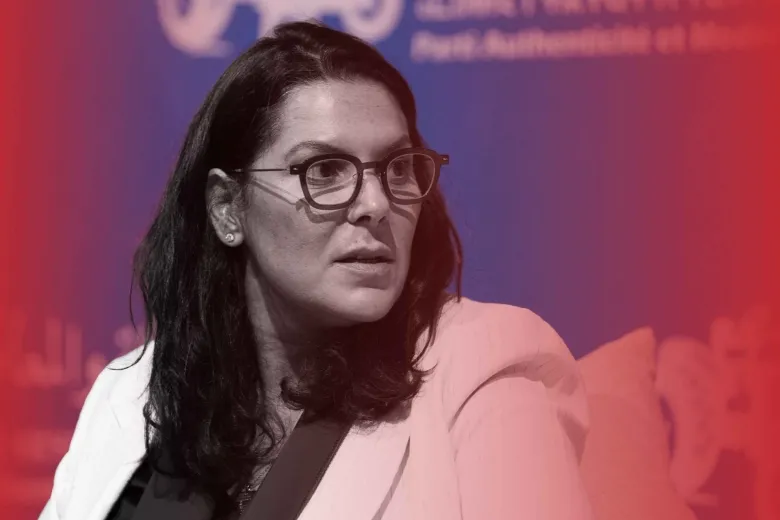

Fatima Zahra Mansouri: Pioneering Leadership in Morocco
The political landscape in Morocco is undergoing a significant transformation with the appointment of Fatima Zahra Mansouri as the new head of government, marking a historic moment as she is the first woman to assume this role in contemporary Moroccan history. This appointment comes on the heels of a constitutional mandate by King Mohammed VI, initiating political consultations aimed at forming a new government. Mansouri’s rise to power is not only a pivotal moment for Morocco but also represents a broader shift in the Arab world, being only the second woman to take on such a role in a North African country, following Najla Bouden in Tunisia. This development is seen as a profound political and symbolic evolution, reflecting societal transformations that allow women to ascend to positions of direct responsibility in public governance, despite the cultural and traditional barriers that persist in many aspects of Moroccan society.
Mansouri led her party, the Authenticity and Modernity Party (PAM), to secure the top position in the recent legislative elections held on September 23, 2026, winning 97 out of 395 seats in the House of Representatives. This success was attributed to her strong advocacy for youth and women's issues, resonating particularly well with younger voters. Observers noted that her ability to engage and defend the interests of these demographics played a vital role in her party's electoral performance, as many young voters had previously abstained from participating in elections due to disillusionment with government outcomes. Now, as she prepares to negotiate the formation of her cabinet, Mansouri faces the dual challenge of attracting support from various political factions while managing the expectations of her party to maintain control over key governmental positions and ministries.
Meeting Expectations and Challenges
Fatima Zahra Mansouri’s appointment is considered a quiet revolution aimed at dismantling outdated stereotypes that have long governed gender roles in leadership within Moroccan society. Her professional background in business management and legal dispute resolution equips her with a unique perspective that is expected to guide her during her tenure as prime minister. Born in 1976 in Marrakesh, Mansouri has not only become the first female head of government but also the youngest, under the reign of King Mohammed VI since 1999. She has an academic background that includes degrees from Morocco, France, and the United States, specializing in law and business management. Her extensive experience as a lawyer and her political involvement, beginning with her role as mayor of Marrakesh from 2009 to 2015, have prepared her to navigate the complexities of local and national governance.
The Moroccan public has expressed optimism regarding her leadership, anticipating a robust government capable of addressing the aspirations and grievances of the youth, particularly those of Generation Z who have been vocal in demanding better job opportunities, education, health care, and development. Mansouri’s previous position as Minister for National Planning and Urban Development allowed her to advocate for these issues, notably during protests last fall where she supported the legitimate demands of young Moroccans. Her approach underscores a commitment to addressing social inequalities between urban and rural areas, which has become increasingly pressing in the wake of recent tragedies attributed to governmental shortfalls in health care. As Mansouri embarks on this critical journey, her leadership will undoubtedly be closely watched, serving as a barometer for the evolving role of women in Moroccan politics and governance.
As reported by majalla.com.