
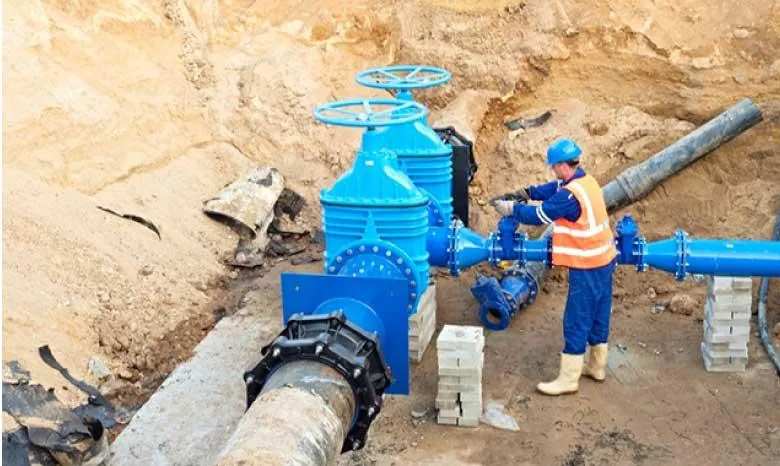

The Fes-Meknes Regional Multi-Service Company is actively intensifying its initiatives aimed at modernizing the drinking water and wastewater infrastructure. This effort includes the launch of a new series of calls for tenders focused on upgrading networks, renewing pipes, and strengthening water supply systems. Additionally, the company is preparing guiding studies for wastewater management across the nine provinces of the region. These actions are part of a comprehensive program designed to develop essential facilities and respond to challenges related to increasing pressure on water resources, urban expansion, and the need for improved service continuity.
Recent data released in September 2026 highlights the volume of projects initiated by the company. These initiatives include upgrading drinking water networks in the provinces of Sefrou and Moulay Yacoub, enhancing water supply from the Idriss I dam, renewing the main water network in the city of Fes, and preparing guiding studies for wastewater management across the region. This reflects an expansion in the technical and investment interventions aimed at improving network performance and the ability to meet the population's needs.
New Investments for Network Upgrades and Water Supply Enhancement
In this dynamic context, the Fes-Meknes Regional Multi-Service Company announced a call for tenders related to the rehabilitation of drinking water pipes in the Moulay Yacoub province as part of the second phase of the priority project, with an estimated cost of around 16.97 million dirhams. This initiative aims to modernize the network infrastructure and reduce technical discrepancies that could impact the quality and continuity of water supply, thereby enhancing the services provided to the local population.
Moreover, the company has launched another call for tenders to strengthen drinking water supply from the Idriss I dam for the Ajajra area in Moulay Yacoub, with an estimated budget of 28.61 million dirhams. This project seeks to enhance the water transport infrastructure and improve supply capabilities to meet the increasing needs of the targeted areas, thereby securing this vital resource. The tender was announced on September 25, 2026, with a submission deadline set for October 29, 2026, indicating that the project is currently in the tendering phase and not yet completed.
These projects are particularly significant in light of the challenges faced by rural and semi-urban areas, as strengthening distribution networks and renewing pipes are essential interventions to improve supply continuity, reduce water loss, and ensure a more resilient infrastructure capable of coping with the increasing pressure on water resources. This is crucial, especially in a context that demands enhanced technical efficiency and sustainable investment in the water sector.
Sefrou to Experience Water Network Development Initiatives
In the Sefrou province, the Fes-Meknes Regional Multi-Service Company continues to expand its interventions by announcing a call for tenders for the maintenance of the drinking water network in the province, divided into two lots, along with a project to supply the Douar Kelaat area in the Sidi Youssef Ben Ahmed municipality with drinking water, estimated at 1.56 million dirhams.
These projects reflect the company’s approach to combine maintenance of existing networks with expanding access to water services through interventions targeting areas in need of infrastructure enhancement, improved supply conditions, and increased quality of essential services, especially in rural areas which require continued investment in water and sanitation networks.
The company also announced a call for tenders to rehabilitate the electrical network in the Ghamra and Rkada areas of Sefrou, which falls under its responsibilities in managing multi-sector services. This highlights the intersection of programs to upgrade basic infrastructure, including water and electricity, in a strategy aimed at improving public service quality across the province.
In the city of Fes, the company is continuing its efforts to modernize the main drinking water networks by announcing a project to replace a main cast iron pipe with a diameter of 400 mm at the Knaoui reservoir and the northwestern extension of the city, with an estimated cost of about 4.94 million dirhams. This project is technically significant given the crucial role played by main pipes in transporting and distributing water across various areas of the city. Renewing these pipes is a key measure to enhance network efficiency, minimize faults and leaks, and ensure continuous supply, especially in response to the urban expansion and increasing demand for water services in Fes.
Additionally, the company announced a project to upgrade the drinking water network in Fes, with an estimated cost nearing 7.13 million dirhams. This ongoing programming of renewal and maintenance operations within the city reflects a commitment to improving service quality and enhancing the efficiency of existing infrastructure.
These projects form part of a broader strategy aimed at addressing the technical challenges faced by water networks in large cities. The aging of certain facilities and the increasing pressure on networks necessitate the implementation of continuous renewal and maintenance programs, alongside improving monitoring mechanisms and response protocols for faults to reduce interruptions and enhance supply reliability.
In the domain of wastewater management, the Fes-Meknes Regional Multi-Service Company has launched a call for tenders for preparing studies related to guiding wastewater management plans across the region, divided into nine lots covering the provinces of Boulemane, Hajeb, Fes, Ifrane, Meknes, Moulay Yacoub, Sefrou, Taounate, and Taza. This project aims to produce technical and planning studies that will provide a future vision for developing wastewater networks, identifying needs related to network expansion and upgrading existing facilities while establishing frameworks for necessary interventions to keep pace with urban growth and the increasing pressure on infrastructure.
These studies represent a critical phase in identifying future projects due to the role of guiding plans in diagnosing network conditions, pinpointing areas requiring urgent interventions, and estimating required investments while considering environmental and health aspects. Furthermore, they aim to mitigate risks associated with wastewater disposal and its impact on the natural environment.
The adoption of nine lots across the nine provinces allows for approaches that consider the specificities of each province, given the differences in needs between large cities, smaller urban centers, and rural areas, alongside variations in network sizes, topographies, and demographic pressures.
The projects outlined are part of the Fes-Meknes Regional Multi-Service Company's investment program for the period 2026-2030, which has a total estimated cost of approximately 9.9 billion dirhams. The program includes investments of around 2 billion dirhams planned for 2026, targeting the improvement of water, electricity, and wastewater services for a population exceeding four million residents in the region.
This investment program highlights the magnitude of the commitments associated with modernizing essential facilities in the Fes-Meknes region. It necessitates continuous investments in renewing networks, expanding facilities, and enhancing technical and managerial capacities to meet the demands of urban and economic growth while accommodating the needs of the population. In this context, the company plays a pivotal role in managing water, electricity, and wastewater services by unifying the management of these facilities under a single regional institution. This enables better coordination among various technical and investment operations and improves management of human and logistical resources while developing planning and monitoring mechanisms.
Moreover, this approach allows for a gradual transition from ad-hoc interventions to programming projects based on actual needs assessments, placing significant importance on renewing aging networks to enhance their efficiency and expanding services to include areas needing more advanced infrastructure.
Despite the importance of the planned projects and announced calls for tenders, the main challenge remains in the successful implementation of these programs into tangible projects on the ground, adhering to specified timelines, ensuring quality workmanship, and closely monitoring contractors to ensure compliance with established technical and environmental standards.
This aspect is particularly important given the community's expectations regarding improved continuity of water supply, reduced outages, minimized leaks, and enhanced wastewater services. These demands require joint efforts between the company, local authorities, territorial communities, and other stakeholders to ensure the necessary coordination for project completion under the best possible conditions.
Additionally, the development of wastewater networks is not limited to expanding pipes and facilities, but also requires adopting integrated solutions, including network maintenance, improving wastewater disposal, reducing flood risks associated with rainfall, and protecting the environment and water resources, especially in areas experiencing increasing urban pressure.
In this context, the importance of guiding studies emerges as a tool to identify investment priorities and direct resources toward projects most closely aligned with actual needs, highlighting the necessity for clear indicators to measure the progress of works and their impact on the quality of services provided to citizens.
Under the leadership of General Manager Mohamed Chahoui, the Fes-Meknes Regional Multi-Service Company continues to implement its programs aimed at developing essential infrastructure.
As reported by fes24.com.
