
Infantino's Resilience in the Face of Criticism
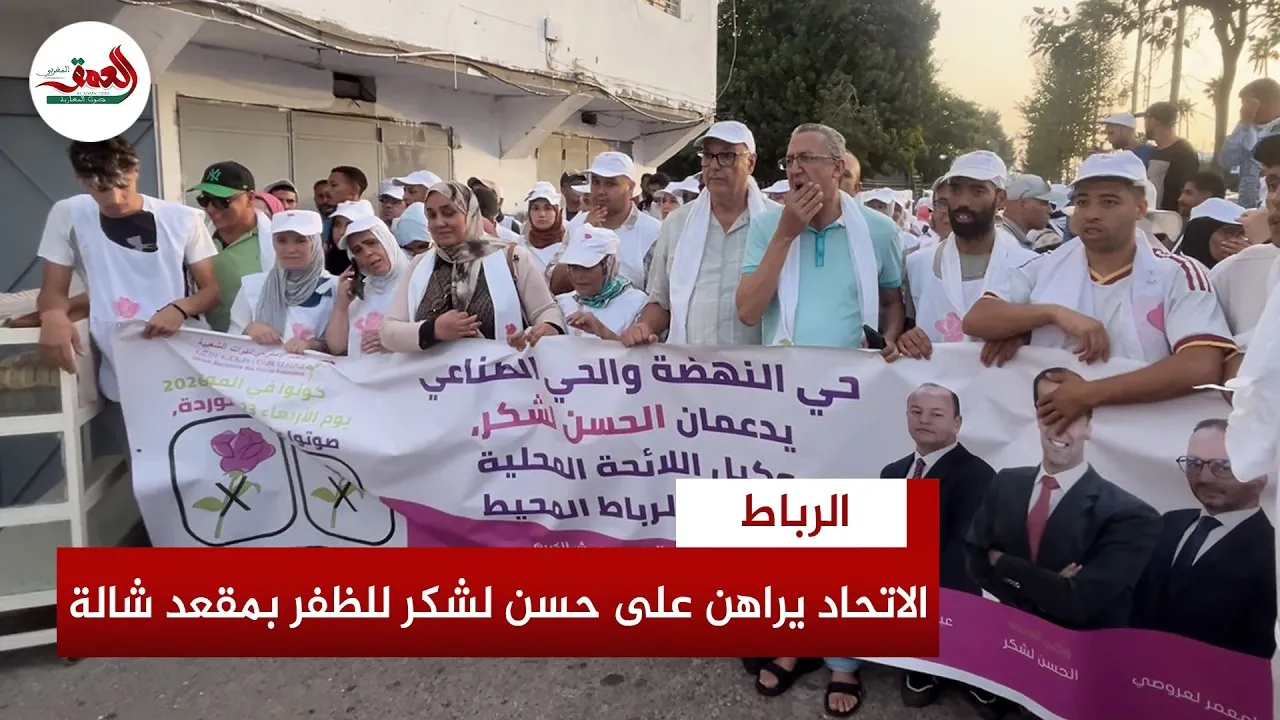
In a decisive show of support, FIFA's management board has reaffirmed its backing for Gianni Infantino, the president of FIFA, amidst swirling controversies surrounding his leadership. Despite speculation that Infantino might resign under pressure, he has demonstrated remarkable resilience, recently convening the board in Morocco, where he inaugurated a FIFA Africa office in late 2024. Morocco, a co-host for the upcoming 2030 Men’s World Cup, has become a favorable backdrop for Infantino, especially since the Royal Moroccan Football Federation was among the first to rally behind him following the backlash against his controversial plans to sell stakes in FIFA's business.
The FIFA office in Rabat is strategically located within the Mohammed VI Football Complex, which is the headquarters of the Moroccan federation. However, not all influential members of FIFA's management board were present at the meeting. Notably absent were Arsene Wenger and Jill Ellis, high-profile figures within FIFA, as well as Kevin Lamour, the chief operating officer, who had openly criticized Infantino's actions just days earlier. While Wenger had suggested the need to abandon Infantino's plans, he has not escalated his stance further, indicating a complex dynamic within the organization.
Support Amidst Internal and External Challenges
During the gathering in Rabat, those board members who attended did not express dissent but instead solidified their support for Infantino, highlighting a collective endorsement that caught many observers by surprise. This included FIFA General Secretary Mattias Grafstrom, who had previously issued a memo condemning the recent events surrounding Infantino's proposals. Grafstrom's sudden pivot to support Infantino, co-signing a letter to all 211 FIFA member associations, raises questions about the internal politics at play and the extent of Infantino's influence within the organization.
Despite this outward show of unity, the response from the football community, particularly in Europe, has been one of anger and frustration. UEFA has voiced a lack of confidence in FIFA's leadership, while Concacaf has called for a thorough examination of Infantino's presidency. Some European nations have begun withdrawing their endorsements for Infantino's re-election, although others are treading cautiously, preferring to engage directly with Infantino before making any public declarations. The climate surrounding Infantino’s leadership continues to evolve, with accusations of manipulation and mismanagement surfacing from various quarters.
Former FIFA presidential candidate Prince Ali bin Al Hussein has accused the organization of attempting to coerce support for Infantino, further complicating the narrative. Amidst this turmoil, Infantino's integrity has been scrutinized, with reports suggesting FIFA's involvement in controversial dealings, including the now-defunct Super League proposal. As Infantino navigates these tumultuous waters, his reliance on social media for communication underscores an effort to maintain a positive public image while facing mounting opposition.
As reported by nytimes.com.