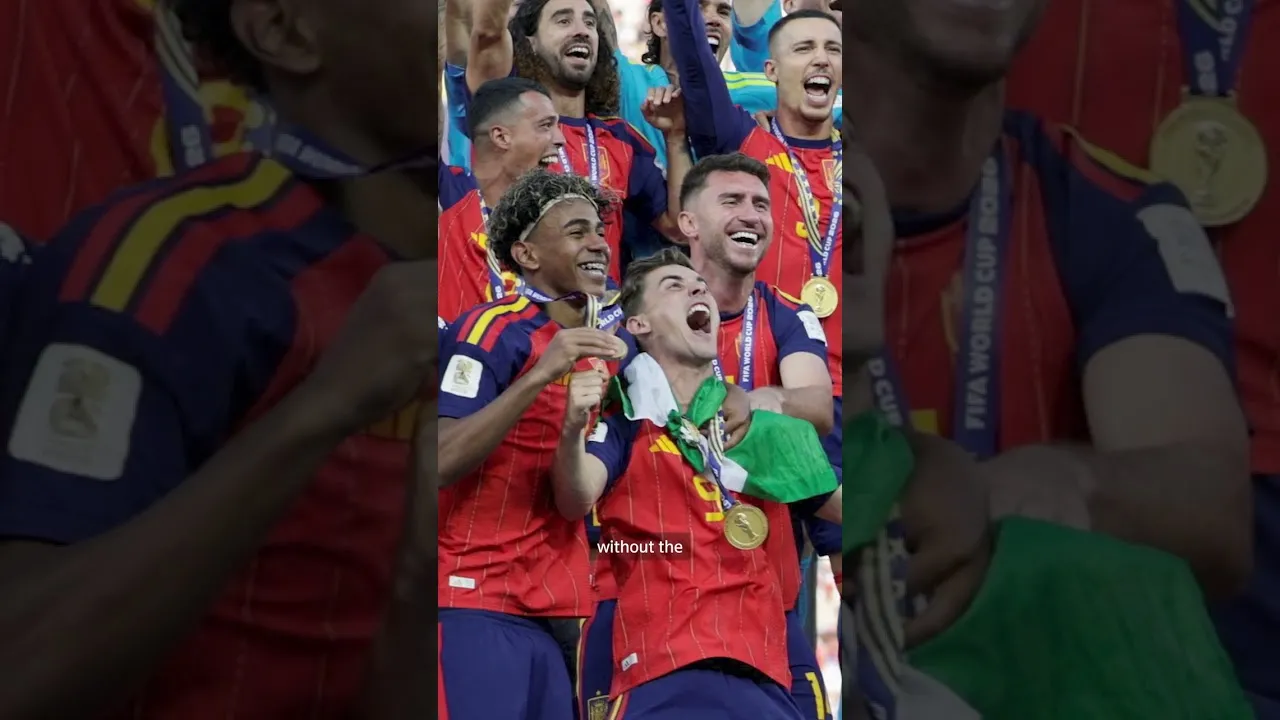
Infantino Navigates Turbulent Waters as UEFA Challenges His Leadership
Gianni Infantino, the president of FIFA, is currently grappling with significant internal resistance as he navigates the complexities of his leadership amidst a looming re-election campaign. During a recent summit held in Morocco, Infantino managed to avert an immediate internal revolt, but the scrutiny from European soccer's governing body, UEFA, has intensified. On Thursday, UEFA issued a vehement critique of Infantino's administration, targeting his controversial proposal to sell stakes in the World Cup. The organization demanded firm assurances that such attempts to alter the integrity of the game would not be repeated in the future. This backlash underscores the considerable animosity directed towards Infantino, particularly as he prepares for a re-election bid next year while grappling with the fallout from the equity plan.
In response to UEFA's condemnation, FIFA issued an apology regarding the initiative and convened a crisis meeting in Rabat, where senior staff members publicly reaffirmed their support for Infantino’s presidency. However, UEFA's reaction indicates that a mere apology may not suffice to quell the discontent among Infantino's most vocal critics, who are advocating for leadership change within FIFA. This contentious situation is expected to unfold over the coming months, culminating in a decisive vote in March among the 211 national member federations, each holding a vote that could determine the future of Infantino’s presidency.
Challenges Ahead for Infantino as Support Wanes
Infantino departed New York with approximately 200 letters of support from various federations, but that figure is likely to dwindle amid the escalating backlash. The extent of opposition is varied, with continental soccer bodies from Europe, Asia, and the Americas expressing differing levels of dissent towards Infantino's leadership. The English FA, along with federations from Serbia, Sweden, and Wales, have withdrawn their support, while numerous others have remained noncommittal. Despite these challenges, Infantino still retains a traditional support base in Africa, comprising 54 voting members, and has garnered some backing from individual federations, including Qatar, the host of the 2022 World Cup.
UEFA has not only criticized Infantino but has also reiterated its threat to boycott the World Cup and other FIFA events, indicating a profound loss of confidence in his leadership. The internal dynamics within FIFA are also precarious, as Infantino faces increasing pressure from the organization's management board. His secretary general, Mattias Grafström, highlighted the turmoil surrounding the recent plans, with notable figures like Arsène Wenger distancing themselves from Infantino's proposals. The absence of key executives from the crisis meeting raises questions about the unity of support for Infantino as he seeks to maintain his position through 2031.
Amidst these challenges, there are discussions about potential challengers to Infantino’s presidency. However, finding a candidate with the necessary support remains a complex task. Nasser al-Khelaïfi, the president of Paris Saint-Germain, has been viewed as a strong contender but has publicly expressed no interest in the role. Other names, including Canadian FIFA vice president Victor Montagliani and Norwegian soccer president Lise Klaveness, have been mentioned, yet the field remains uncertain as the Nov. 18 deadline for candidates approaches. The pressure is mounting for Infantino, who must restore confidence within FIFA and address the concerns raised by UEFA and other member federations.
As reported by nbcconnecticut.com.