
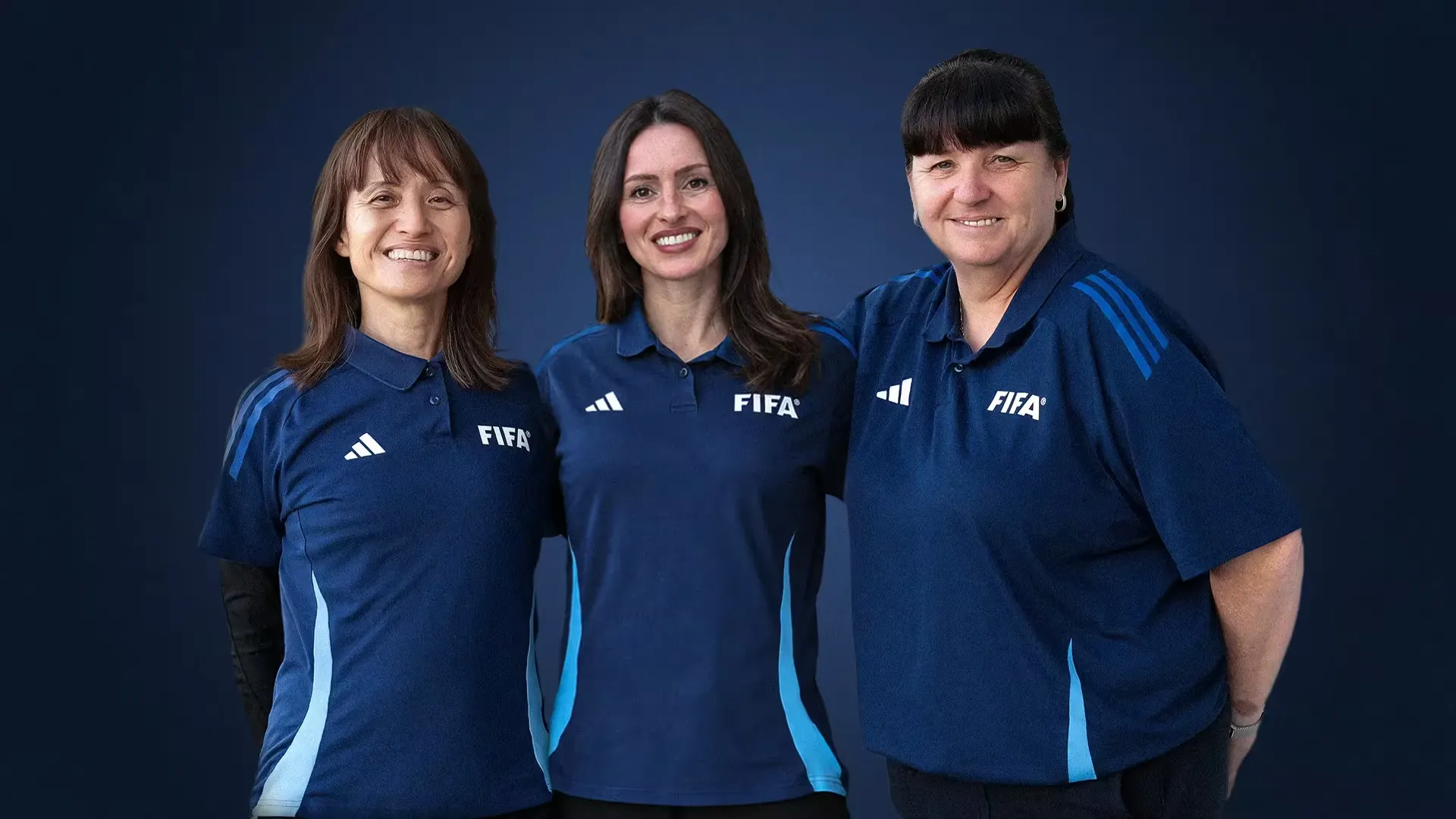

Introduction to the Technical Study Group
The FIFA has announced the formation of a distinguished Technical Study Group for the upcoming FIFA U-17 Women’s World Cup 2026, which is set to take place in Morocco. This group comprises four highly experienced professionals: Mo Marley, Tihana Nemčić Bojić, Asako Takakura, and Pascal Zuberbühler, who will lead the initiative. Each member brings a wealth of international experience to the table, having played significant roles in both technical coaching and youth development throughout their careers.
Roles and Responsibilities of the Group
Tasked with a critical role, the Technical Study Group is responsible for analyzing emerging trends in the competition, identifying standout talents, and selecting recipients for various individual awards. Under the leadership of Pascal Zuberbühler, a senior football expert at FIFA and a former goalkeeper for the Swiss national team, the group will meticulously examine the entirety of the tournament in Morocco. Their focus will be on unveiling technical and tactical trends while spotlighting players who are poised to become future stars in women’s football. Insights from their analyses will be shared on the FIFA Technical Resource Centre, an innovative platform designed to support players and coaches worldwide.
Each member of the group has a rich background in coaching at both youth and senior levels, which will be invaluable in providing a nuanced analysis of the competition that aims to serve as a launchpad for the next generation of female football talent. Below is a closer look at the members of the Technical Study Group for Morocco 2026.
Mo Marley: An esteemed figure in English women's football, Mo Marley has an extensive international coaching background. The Liverpool native represented England 41 times during her playing career before transitioning into coaching. Over two decades with the Football Association, she led various age-group teams and played a pivotal role in developing future stars of the Lionesses. Mo has dedicated her coaching career to talent development, creating high-performance environments, and guiding young players through their transition to the senior level. She was also a member of the Technical Study Group in the previous edition of the FIFA U-17 Women’s World Cup.
Asako Takakura: A prominent figure in Japan’s national women’s team, Asako Takakura brings a wealth of experience to the Technical Study Group. The former midfielder has played for various clubs in Japan and had a stint with the Silicon Valley Red Devils in the United States. With 79 caps for the Nadeshiko, she has contributed significantly to the national team at both youth and senior levels. Asako has been named AFC Coach of the Year six times and has been instrumental in fostering talent and promoting women's football in Japan. Known for her emphasis on technical mastery and ball possession, she is set to provide valuable insights to the group.
Tihana Nemčić Bojić: A former Croatian international, Tihana Nemčić Bojić has extensive coaching experience in both women's and men's football. Having worked with several clubs in Croatia, she has built a solid reputation for her talent development at the highest level. As the former captain and current head coach of the Croatian national futsal team, she has significantly enhanced the visibility of women's football in Croatia. Her expertise in coaching and talent development, combined with a keen understanding of the evolving tactical demands of modern football, will make her a vital asset to the Technical Study Group.
Pascal Zuberbühler: A former Swiss international goalkeeper, Pascal Zuberbühler possesses a wealth of experience in top-level football. As a senior football expert at FIFA, he leads technical analysis projects across both men's and women's football, focusing on tactical evolution and goalkeeper development while integrating performance data into coaching practices. He will oversee the Technical Study Group for the tournament, coordinating the specialists' efforts and highlighting key trends and standout players.
Throughout the tournament, the members of the Technical Study Group will closely monitor the matches to grasp the technical, tactical, and physical evolutions in women’s football. The group will also be responsible for selecting the recipients of various individual awards that will be presented during the event.
Overview of the Tournament: The FIFA U-17 Women’s World Cup 2026 will mark the second of five consecutive editions of the annual competition hosted in Morocco, featuring 24 teams. The tournament is scheduled to take place from October 17 to November 7, 2026. Defending champions North Korea will seek to claim their fifth title after defeating the Netherlands in the 2025 final.
This year, all matches up to and including the semi-finals will be held at the Women’s Football Complex in Rabat, while the third-place playoff and final will take place at the Prince Moulay El Hassan Stadium, also located in the Moroccan capital. Historically, the FIFA U-17 Women’s World Cup has been a platform for many stars of women’s football to emerge at the senior level. Indeed, several players who lifted the trophy have subsequently achieved similar success in the FIFA Women’s World Cup. Notably, three members of the 2018 Spanish U-17 squad – Cata Coll, Eva Navarro, and Salma Paralluelo – played significant roles in Spain’s triumph at the 2023 World Cup.
As reported by inside.fifa.com.

