The Intersection of Football and Politics in Morocco
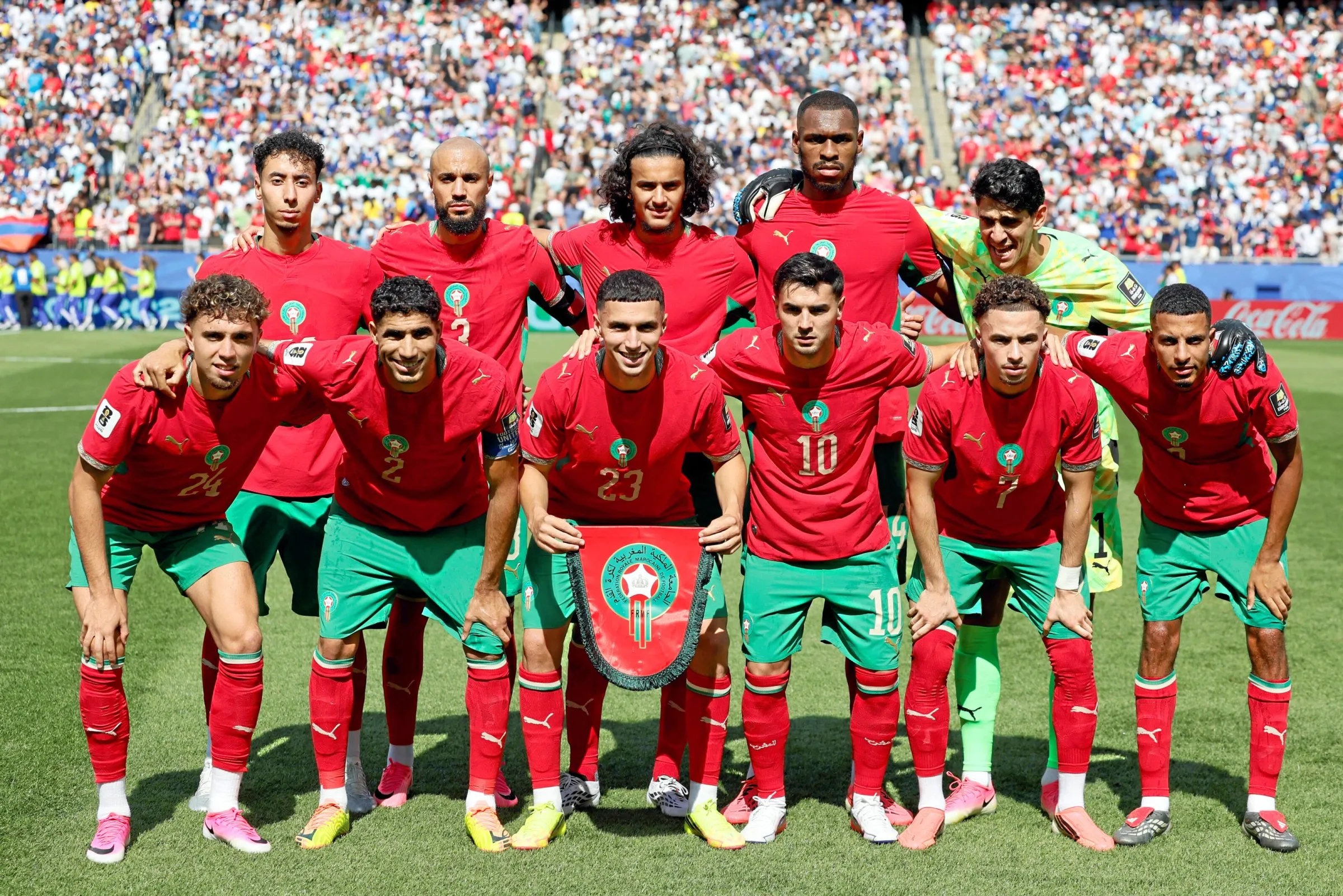
The Moroccan national football team recently made headlines by securing a stunning victory against Canada, advancing to the knockout stages of the World Cup with a solid 3-0 win. Upon returning to the locker room, the players were greeted with an unexpected phone call from none other than King Mohammed VI, who personally congratulated the team on their success. The King expressed his pride during a conversation with head coach Mohamed Ouahbi and captain Achraf Hakimi, emphasizing his commitment to Moroccan football. In a heartfelt Instagram message, Hakimi acknowledged the King's significant investment in football infrastructure, stating that it motivates players to strive for excellence and to continue making all Moroccans proud.
This intersection of football and politics has sparked discussions about the extent of political involvement in sports, a topic that gained traction following a controversial call made by former U.S. President Donald Trump to FIFA President Gianni Infantino regarding a player suspension. While outrage ensued, it is essential to recognize that the relationship between state and sport is common in many countries, including Morocco, which is set to co-host the 2030 World Cup alongside Spain and Portugal. As FIFA prepares for potential controversies in the upcoming tournament, the Moroccan monarch's role in football remains a critical point of focus.
National Pride and Societal Unity
King Mohammed VI enjoys substantial support in Moroccan society, where he symbolizes stability and nonpartisanship in a country often marked by fragility. However, the monarchy also requires themes that foster and preserve national pride, with football serving as a central narrative. This long-standing relationship is evident, as stadiums and youth academies are named after royal family members, and the football association proudly bears the title of 'Royal.' The national cup is celebrated around the time of the throne festival, and the passionate supporters of major clubs in Casablanca frequently incorporate political themes into their chants and banners, reflecting respect for the monarchy.
Although the King rarely attends matches for security reasons, he frequently references football in official speeches and communications. He has welcomed national players to the palace on multiple occasions, reinforcing the idea of social and familial unity that football embodies. This was particularly evident after Morocco's triumph at the Africa Cup earlier this year, where photographs featured players alongside their mothers, highlighting the importance of community bonds.
In a notable deviation from strict royal protocol, King Mohammed VI celebrated Morocco's victory against Spain in the 2022 World Cup by donning the national team jersey and personally driving through the streets of Rabat. This unprecedented display of accessibility was met with disbelief by many Moroccans, allowing the monarchy to connect with the populace, especially in contrast to the colonial era when participation in football was often restricted for Muslims under French and Spanish rule. Clubs like Wydad Casablanca emerged as symbols of resistance, initially created to allow Muslim access to swimming facilities and ultimately becoming a hub for the independence movement and football dominance.
Following Morocco's independence in 1956, King Hassan II, who ruled from 1961 to 1999, became a prominent supporter of sports, recognizing their symbolic power. Initially, Morocco's national anthem lacked lyrics, but after witnessing national teams proudly singing their anthems during the 1966 World Cup, he commissioned a writer to create a patriotic text ahead of Morocco's inaugural World Cup participation in 1970.
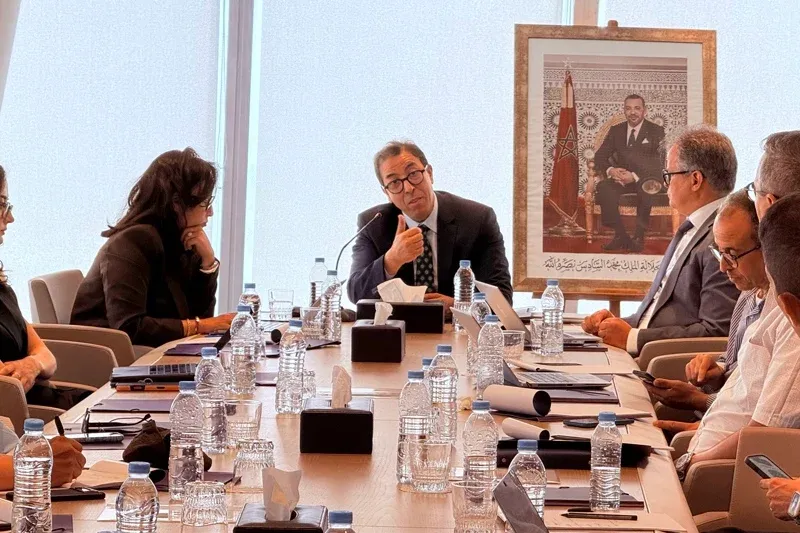
While Morocco is constitutionally a monarchy with a parliamentary system, the King retains significant authority across various state matters. This has resulted in the appointment of loyal leaders, such as Fouzi Lekjaa, the president of the football association and a close confidant of the King, who also holds a position in the finance ministry. Such dual roles may raise concerns about conflicts of interest, which are often scrutinized in other nations. As the head of the organizing committee for the 2030 World Cup, Lekjaa is expected to promote Morocco's narrative of progress through football, infrastructure, and tourism.
However, this narrative faces criticism from a populace grappling with social inequality, as youth unemployment exceeds 20% in some regions. In October 2025, thousands of predominantly young individuals protested against the government, advocating for education over stadiums, with some instances of repression reported in response to these demonstrations.
In Morocco, the connections between the state and football are more pronounced than in the United States, creating a political closeness that FIFA typically discourages. How will FIFA President Gianni Infantino respond to this dynamic? Infantino has been received multiple times by King Mohammed VI, most recently in July 2025, during a ceremony honoring Moroccan female footballers. For FIFA, Morocco holds strategic importance, as the organization's office in Rabat aims to advance the professionalization of African football, with several national teams lacking suitable stadiums opting to host their matches in Morocco. Looking ahead, Infantino aims to secure re-election in 2027 during the FIFA Congress in Rabat, further emphasizing the significant ties between the monarchy and the world of football.
As reported by nd-aktuell.de.