
Embracing Cultural Dialogue for Human Dignity
The upcoming event, organized by the World Association for Culture and Heritage (WACH International) in collaboration with the Institute of Cultural Diplomacy and the Kingjui International System Center, is set to be a significant platform for dialogue and exchange of ideas aimed at enhancing shared human values in an increasingly multipolar world. This summit, themed "Dialogue of Civilizations at the Heart of Human Dignity," seeks to address the profound transformations and escalating challenges we face today, particularly in the realms of climate, technology, and geopolitics. The former Secretary-General of the Arab League and former Egyptian Foreign Minister, Amr Moussa, emphasized that soft power and cultural endeavors play a crucial role in establishing international relations founded on peace and coexistence. He underscored that achieving human dignity remains central to this global initiative.
Moussa articulated that the ultimate goal is to put an end to wars, assaults, and violations targeting civilians, highlighting that cultural ties and soft policies are essential gateways to foster peace and cooperation among nations. He expressed concern over the troubling trajectory of some international relations, warning that a disregard for international law poses a significant risk to global stability. Moussa called for a return to the principles enshrined in international agreements and conferences aimed at safeguarding human dignity, stressing the importance of cultural and human rights dimensions in constructing a more just and humane international system. He acknowledged the vital role of international civil society in shaping initiatives that contribute to reinforcing these values.
Fez: A City of Knowledge and Peace
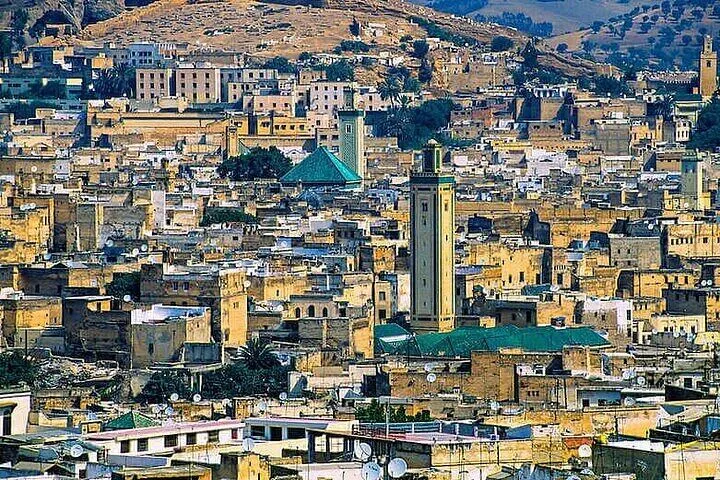
During the opening remarks of this event, Khalid Ait Taleb, the Governor of the Fes-Meknes region, emphasized that the choice of Fez as the host city for the "Dignity 2026" summit was no coincidence, given its historical significance as a center of knowledge and scholarship. Fez embodies values of peace, spirituality, and tolerance among diverse cultures and religions. He noted that the challenge extends beyond merely safeguarding heritage; it involves linking it to sustainable development and transforming the challenges of preservation into genuine economic opportunities that provide dignified income for local populations and enhance their social standing. In this context, he called for the adoption of innovative models and transparent governance in managing historical sites to ensure a balance between the requirements of protection and the value of investment, emphasizing that heritage can serve as a lever for economic and social development.
Ait Taleb conveyed that the summit aspires to establish a "new ethical framework for international relations," using human values as practical tools for governance. He further stated that the messages conveyed by Fez's historical landmarks, such as Al Quaraouiyine University and the Moulay Idriss Shrine, embody the spirit of "Dignity Diplomacy," which seeks to renew the global human model. He concluded that hosting this event in Fez reflects Morocco's commitment to its history and values rooted in dialogue and coexistence, expressing hope that the "Fez Declaration on Human Dignity and Universal Humanism" will serve as a beacon for future generations in cementing a culture of peace and dialogue.
Abdel Wahid Ansari, a council member of the Fes-Meknes region, asserted that the issue of human dignity has become a genuine civilizational challenge in light of rising conflicts and hate speech, serving as a measure of the seriousness of nations and institutions in confronting contemporary challenges. He noted that dialogue among civilizations is no longer a secondary option but has evolved into an "existential necessity" to enhance understanding and defuse tensions. Under the wise leadership of His Majesty King Mohammed VI, Morocco presents a distinguished civilizational model in managing diversity and fostering dialogue among cultures and religions. Ansari highlighted that the Moroccan constitution solidified this choice by emphasizing a unified Moroccan identity enriched by multiple streams, including Arab-Islamic, Amazigh, Hassani, and open to African, Andalusian, Hebrew, and Mediterranean influences.
Hikima Al-Haity, the President of WACH International, reiterated that human dignity represents the core message and primary motivation behind this international gathering, particularly amidst a global context marked by "successive crises" and existential challenges necessitating new collaborative and dialogical approaches. She pointed out that the international community faces significant stakes, particularly climate changes threatening food security and ecosystems, and transformations related to artificial intelligence reshaping various aspects of life. Al-Haity questioned whether current international laws can keep pace with these rapid changes and ensure the protection of human rights. She emphasized that conflicts, wars, environmental challenges, and rapid technological advancements necessitate a reevaluation of international working tools, underscoring the pivotal role of culture as a means to build bridges, bring peoples together, and alleviate tensions.
In this regard, she considered "Dignity Diplomacy" capable of offering innovative solutions that transcend the boundaries of traditional diplomacy by making culture and heritage key pillars for establishing peace and understanding between nations. She also highlighted the historical symbolism of Fez, which she described as a "majestic city" rich in cultural heritage reflecting centuries of coexistence among various civilizations, cultures, and religions. The selection of Morocco's scientific capital to host this meeting conveys a message of peace and brotherhood to the world, drawing inspiration from Fez's model of managing diversity and shared living.
The "Dignity 2026" summit program will feature four thematic sessions addressing issues of "cultural mediation and heritage preservation," "tourism investment and heritage engineering as a lever for economic dignity," and "cultural diplomacy and soft power for peace and conflict prevention." The first day will culminate in the announcement of the "Fez Declaration on Human Dignity and Universal Humanism," which aims to transition from a phase of reflection and discussion to a phase of action, establishing a roadmap that positions heritage and human dignity as central pillars of global diplomacy, international cooperation, and peacebuilding.
As reported by ar.le360.ma.