
New Energy Cooperation Between France and Morocco
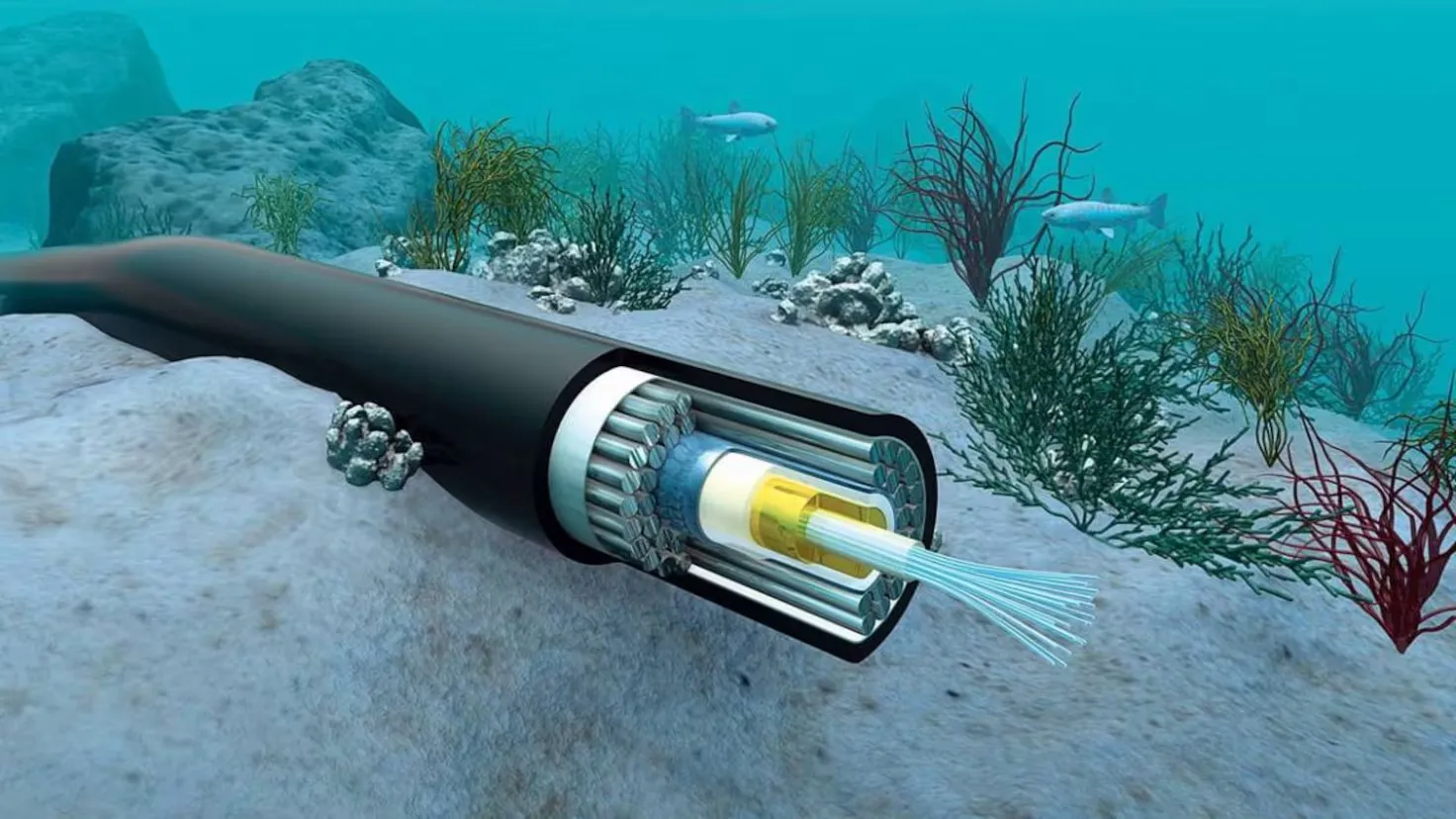
In a significant move towards enhancing energy cooperation, France's Ministry of Economy announced in July a call for new agreements focused on energy connectivity and transition with Morocco. This initiative includes plans for the construction of a high-voltage direct current (HVDC) undersea link, which is designed to facilitate the transfer of electricity between the two nations by traversing the depths of the Mediterranean Sea. The proposed project aims to establish a dual undersea connection with a capacity of 2x1GW, although specific locations within France, such as Bouches-du-Rhône or Var in the southeastern region, have yet to be definitively confirmed.
Morocco stands out as the only African country with an electrical grid connected to Europe, facilitated by two undersea cables that cross the Strait of Gibraltar to Spain. The French Ministry's announcement highlights the consideration of three potential 400 kV substations for this connection: Feuillane, Minéraliers, both located in the industrial-port area of Fos-sur-Mer, and Néoules in Var. These substations are essential for ensuring the efficient transmission of electricity over the proposed link.
Previous Initiatives and Technological Advancements
This undersea project follows Morocco's previous attempt to establish a similar initiative with the United Kingdom, known as the Morocco-UK Power Link. However, that project was abandoned in 2024 due to the British government's failure to provide the necessary price guarantees for electricity. The connection, which was estimated to span approximately 3,800 kilometers, required a staggering investment of £21.9 billion but failed to secure funding without the support of a British contract for difference (CfD).
In contrast, the planned project with France is more modest in scope, both in terms of the connection's length and the investment required. Nonetheless, it similarly employs high-voltage direct current technology to transmit substantial amounts of electricity across long distances while minimizing energy losses. This advancement reflects a growing trend towards sustainable energy solutions in international cooperation.
As reported by as.com.