
Transforming Water Management in Souss-Massa
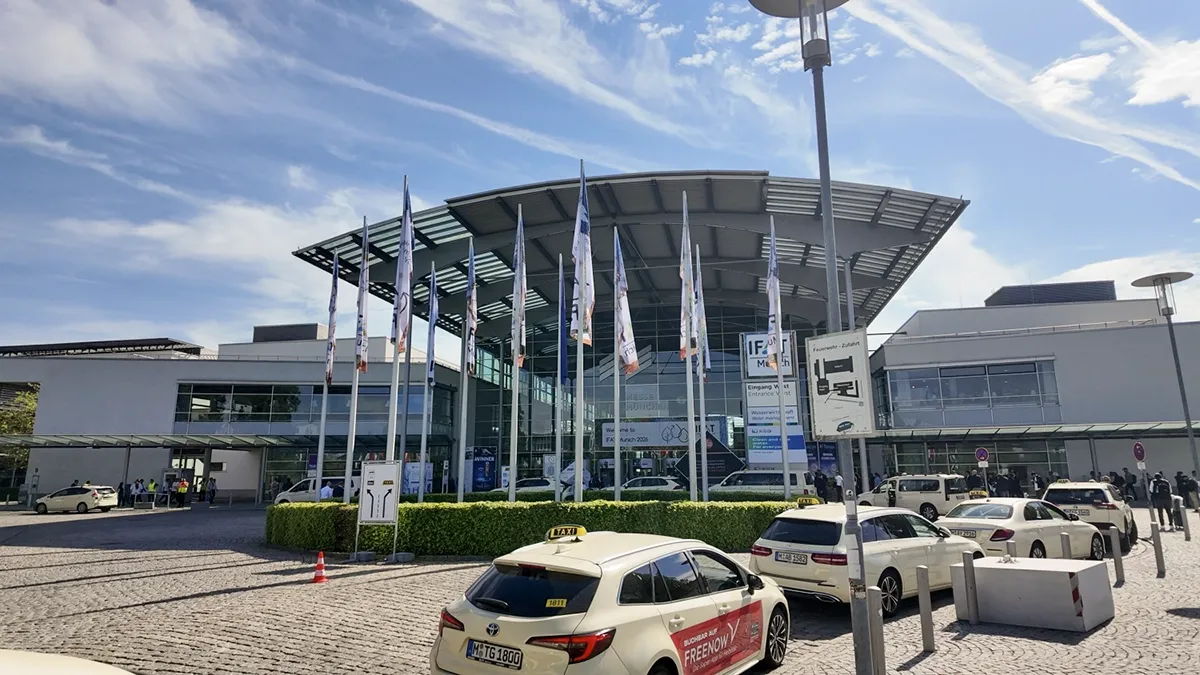
In an era where climate challenges are increasingly intertwined with concerns about water security, the participation of the Souss-Massa region in international discussions at the IFAT 2026 exhibition in Munich, Germany, marked a significant departure from merely tracking technical advancements in the environmental sector. This event signified a profound transformation in the region's relationship with water, energy, and natural resources. From Agadir, a city that has experienced years of drought, declining precipitation, and diminishing groundwater reserves, to Munich, which served as a global laboratory for environmental innovation, a new vision under the banner of "water sovereignty" has emerged, grounded in knowledge, technology, and circular economy principles.
Water: A Global Strategic Challenge
The exhibition brought together thousands of experts, businesses, and international institutions focused on water, energy, and waste management, addressing pressing issues such as climate-related scarcity, resource pressure, and rising environmental security costs. The discussions revealed that the world has indeed entered a new era where water has become a strategic issue of sovereignty, directly linked to food security, social stability, and the ability to adapt to rapidly changing climatic conditions. The regional utility company of Souss-Massa showcased keen interest in the latest digital and technological solutions presented at the event, particularly those aimed at reconfiguring cities and territories into more resilient and sustainable spaces. The theme "Digital Water 4.0" was not coincidental; smart networks powered by artificial intelligence and remote sensing technologies are becoming the backbone of modern management systems. For Souss-Massa, which faces one of the highest levels of water stress in Morocco, this shift carries strategic implications that extend beyond technical performance improvements, aiming to redefine the relationship between natural resources, people, and the territory.
Invisible water leaks, previously regarded as "silent" losses, can now be detected in real-time through satellites, acoustic sensors, and digital pressure and flow analysis systems, enabling unprecedented reductions in water loss. The director of the regional utility company emphasized that the environmental and technical data presented at the Munich exhibition confirmed that the future of water management does not solely rely on seeking additional resources but also on institutions' ability to protect existing resources and enhance their efficiency. Although the region has gained significant experience in seawater desalination, the next step requires transitioning from conventional infrastructures to intelligent systems capable of forecasting and taking proactive measures, in line with the climatic changes impacting the region, where drought periods intensify and the pressure on water resources escalates due to urban, agricultural, and tourism expansion. The exhibition results also reflected a growing global trend towards what is termed "new water production," which involves transforming wastewater into a reusable strategic resource rather than merely treating it as liquid waste. In this regard, membrane bioreactor technologies are emerging as one of the most advanced solutions for water treatment, thanks to their ability to produce high-quality water suitable for irrigating green spaces and supporting certain industrial activities. This approach is particularly significant for Souss-Massa, where agriculture serves as a crucial economic engine, as it alleviates pressure on groundwater resources and fosters the establishment of a more sustainable water cycle.
The international debates further illuminated the ongoing transformation of wastewater treatment plants around the world. Beyond their role in water treatment, they are increasingly evolving into energy production and resource recovery units. The sludge from treatment processes is now being utilized to generate biogas and electricity within a circular economy model that reduces carbon emissions and lowers operational costs. The regional utility company views this model as a practical pathway for the future development of its infrastructures, especially in light of rising energy costs and the need to bolster the energy autonomy of public services. A key message conveyed by the Munich exhibition was that sustainable cities are no longer built solely with concrete and physical infrastructures, but also with data, intelligent systems, and predictive capabilities. This underscores the growing importance of digital twin applications for cities, which are virtual systems capable of simulating urban networks and water systems to anticipate failures, flooding, and distribution imbalances before they occur. This approach is particularly vital for Agadir and the rapidly expanding cities of the Souss-Massa region, given the major climatic changes that increasingly generate contradictory phenomena ranging from acute droughts to intense rainfall and sudden floods.
Desalination technologies, particularly those based on advanced low-energy consumption membranes, were another major area of interest at the exhibition. Technical presentations demonstrated that current research is focused on reducing the energy cost of desalination, extending the lifespan of membranes, and minimizing the environmental impact of seawater brine discharge. These advancements hold significant implications for Souss-Massa, where desalination has become a national model for ensuring potable water supply and safeguarding agricultural activities in the Chtouka and Grand Agadir areas. Solid waste management also featured prominently in the main environmental discussions at the exhibition, where new models for intelligent sorting, recycling, compost production, and energy recovery from waste were presented. These solutions are increasingly important for the region, given its urban and tourist dynamics, as well as the need to reduce pressure on conventional landfills and enhance the local green economy, particularly through the valorization of organic waste to support the agricultural sector, a pillar of the regional economy.
At the heart of these transformations, the "technological watch" conducted by the regional utility company of Souss-Massa seems to align with a broader vision aimed at making the region a Moroccan laboratory for environmental resilience and climate change adaptation. The challenge is no longer merely technical; it is civilizational and developmental, related to how we can guarantee future generations' rights to water, energy, and a healthy environment in a world where resource vulnerability is escalating and climate impacts are intensifying. As reported by atalayar.com.