
The Changing Dynamics of Spanish and Moroccan Monarchies
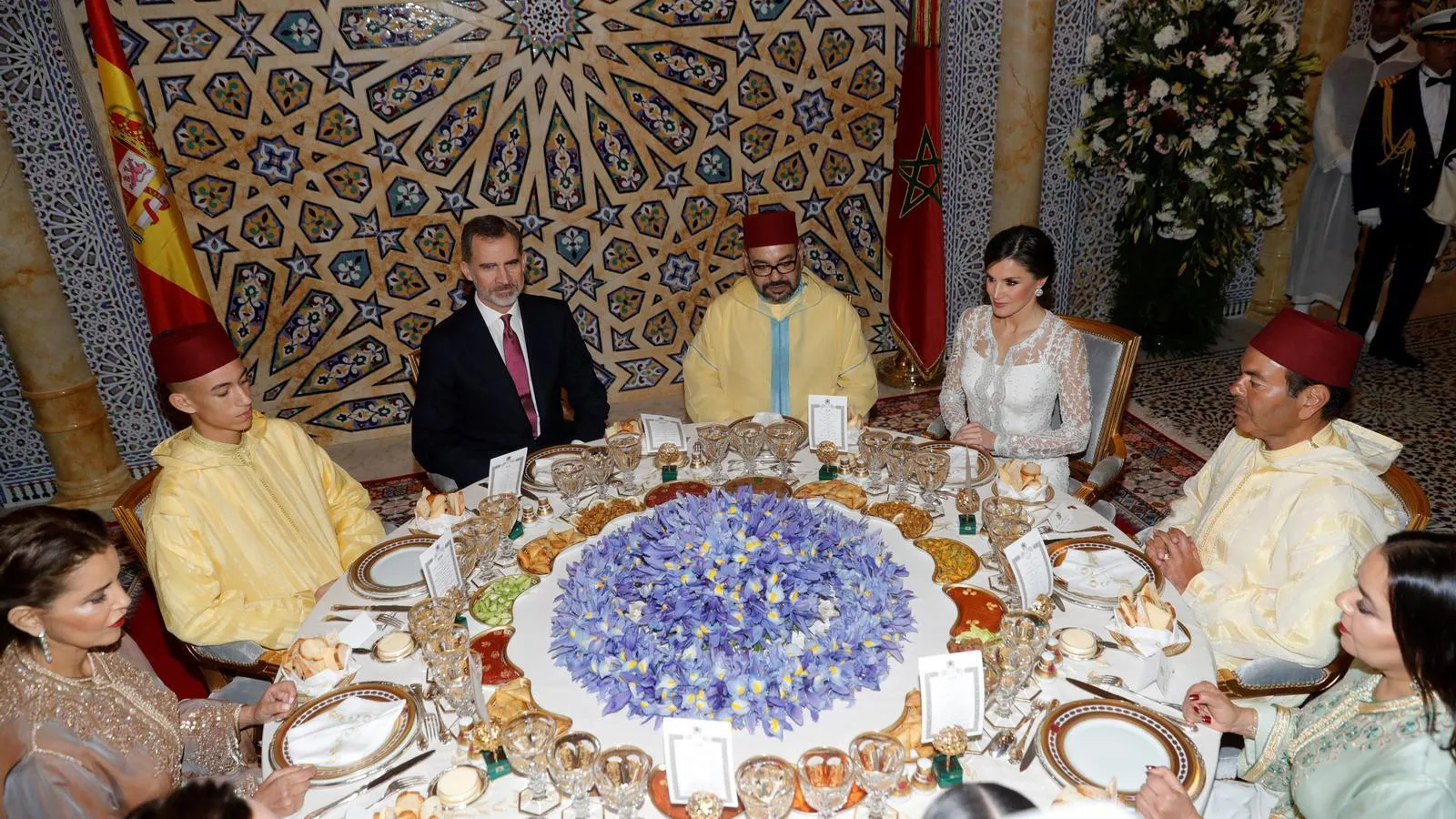
The transition from Juan Carlos I, often referred to as 'the easygoing king,' to Felipe VI marks a significant evolution in the relationship between the monarchies of Spain and Morocco. This change is particularly evident in the nature of diplomatic interactions and personal relationships that define these two neighboring nations. Historically, Juan Carlos I had an almost familial bond with Moroccan kings, notably Hassan II and Mohammed VI, which facilitated a warm diplomatic atmosphere. Notably, during Hassan II’s funeral in 1999, Juan Carlos I was seen visibly emotional, expressing that he felt a deep personal loss akin to that of an elder brother to Mohammed VI. This close-knit rapport has not been replicated under the reign of Felipe VI, whose relationship with Mohammed VI is characterized more by cordiality than genuine warmth.
Experts indicate that the current dynamics are shaped by the contrasting styles of leadership between the two monarchs. While Juan Carlos I was known for his intuitive and approachable nature, his successor, Felipe VI, navigates a more formal diplomatic landscape. Jorge Dezcallar, a former Spanish ambassador, emphasizes that although both monarchies are distinct—Spain’s being parliamentary and democratic while Morocco's leans toward personalism and authoritarianism—their interactions have historically helped to mitigate tensions in their political relations. This contrasts sharply with the more transactional and economically focused diplomacy of Mohammed VI, who, unlike his father, prioritizes economic interests over personal connections in international affairs.
The Impact of Recent Events on Spanish-Moroccan Relations
Felipe VI’s accession to the throne in 2014 brought about a notable shift in the nature of Spain-Morocco relations, which, while not deteriorating, have become more formalized. The current monarch's approach is perceived as less affectionate, a sentiment echoed by former diplomatic correspondents who have observed the evolution of these relationships. Cesáreo Rodríguez-Aguilera describes the present rapport as 'colder yet correct,' highlighting that while the Spanish monarchy operates under a constitutional framework with limited powers, it still plays a crucial role in maintaining diplomatic ties with Morocco. This is particularly significant given the Moroccan monarchy's influential role in regional politics.
Recent developments, such as the planned visit of Felipe VI to Ceuta, are viewed through this lens of evolving relationships. Experts caution that such visits must be carefully coordinated with Moroccan authorities to avoid diplomatic missteps. The Spanish government’s emphasis on maintaining strong bilateral relations is evident, especially in the context of previous tensions that arose during Juan Carlos I's reign, such as the 2007 crisis triggered by his visit to Ceuta. Therefore, the expectations surrounding Felipe VI's visit are laden with the need for strategic diplomacy, as the complexities of governance and international relations intertwine. As the political landscape continues to shift, the monarchies of Spain and Morocco must navigate their historical ties while adapting to contemporary realities.
As reported by en.ara.cat.