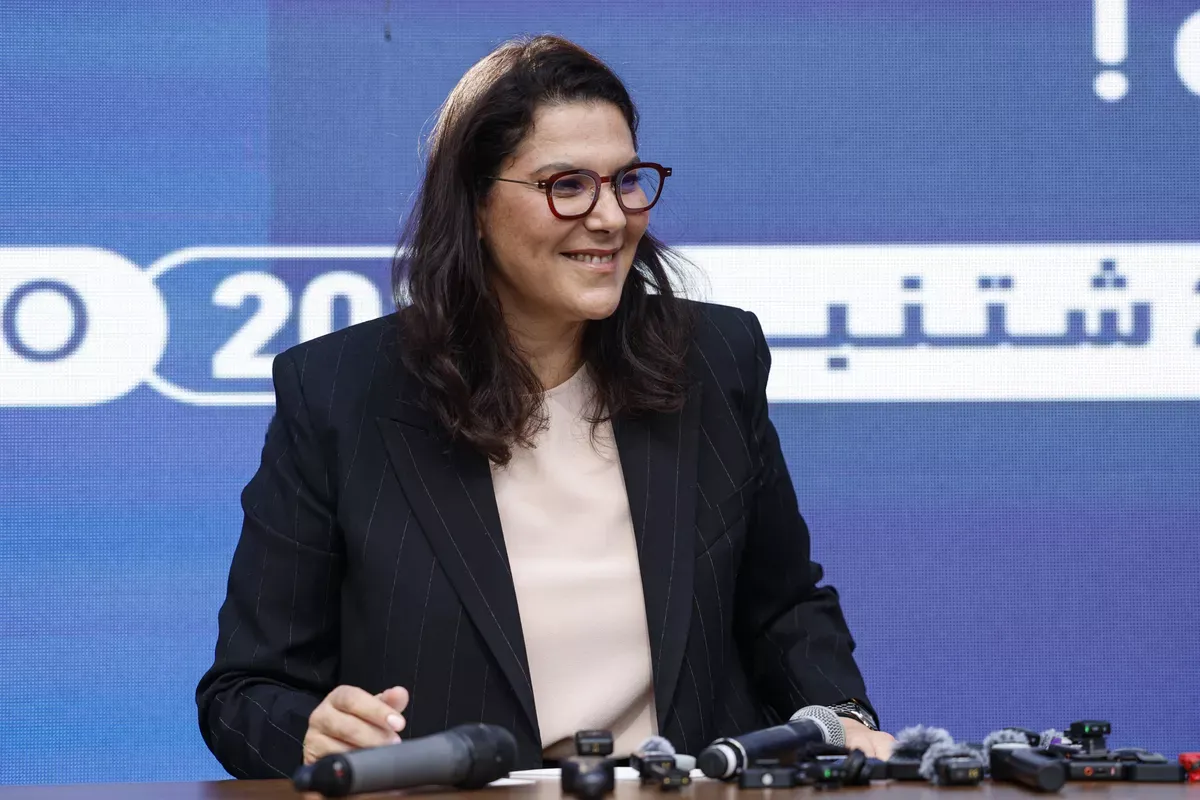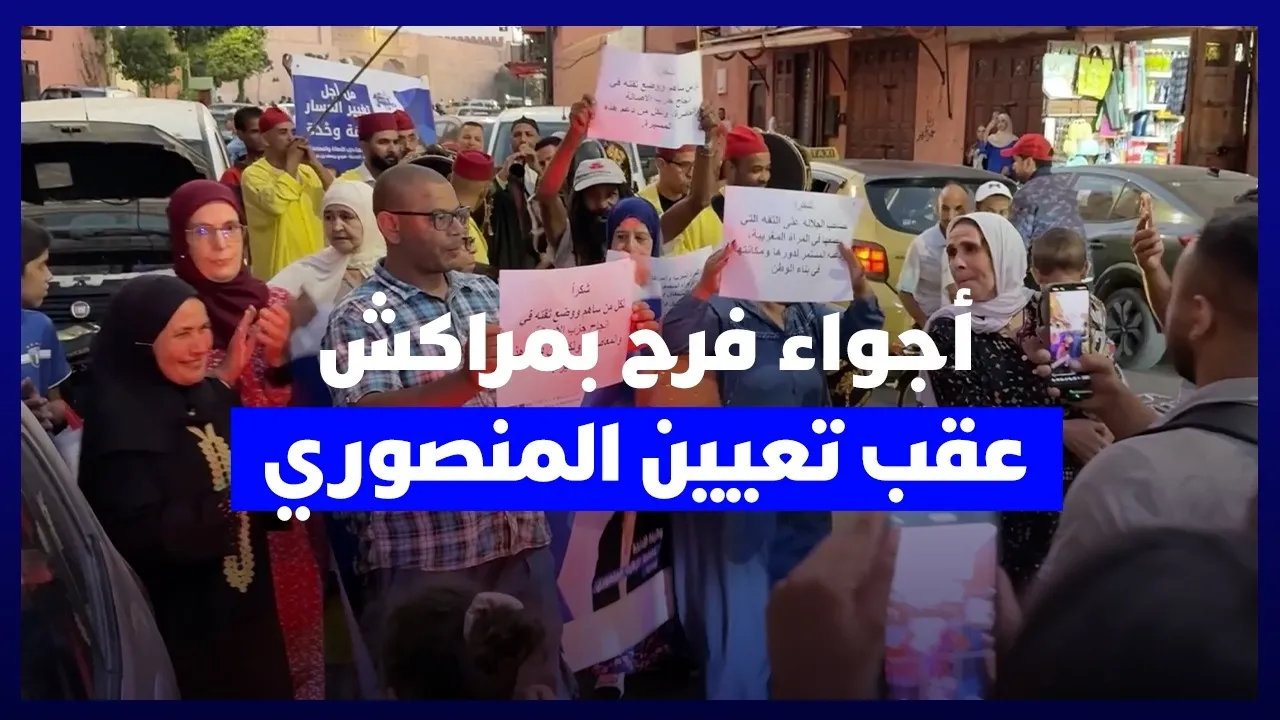

In a remarkable journey spanning over 17 years, Fatima Zahra Mansouri has transitioned from her early experiences in local governance in Marrakech to becoming the first woman to assume the role of Prime Minister in Morocco's history. Her political trajectory encompasses various roles, including local, parliamentary, party, and governmental responsibilities, culminating in her appointment to the highest executive position in the country on Tuesday—a significant milestone with profound political implications.
Mansouri's ascension follows her party, the Authenticity and Modernity Party (PAM), winning 97 seats out of 395 in the recent legislative elections held on September 23, 2026. This victory positioned PAM to form a new government, although they will require parliamentary alliances to secure a majority.
From Law to Local Governance
Born in Marrakech in 1976, Mansouri pursued her education in private law at Mohammed V University in Rabat, later enhancing her academic credentials in France and the United States. She obtained a diploma in advanced studies in contract law from the University of Montpellier and trained in Anglo-Saxon business law at New York University before returning to Morocco to practice law.
However, her professional path soon intertwined with politics, as she became associated with the early years of PAM during the political experience preceding the party's establishment. In the local elections of 2009, she was elected to the city council of Marrakech, subsequently becoming the first woman to serve as mayor, a role she held until 2015, positioning her at the forefront of managing one of Morocco's most prominent cities.
From Mayoralty to Parliament and Beyond
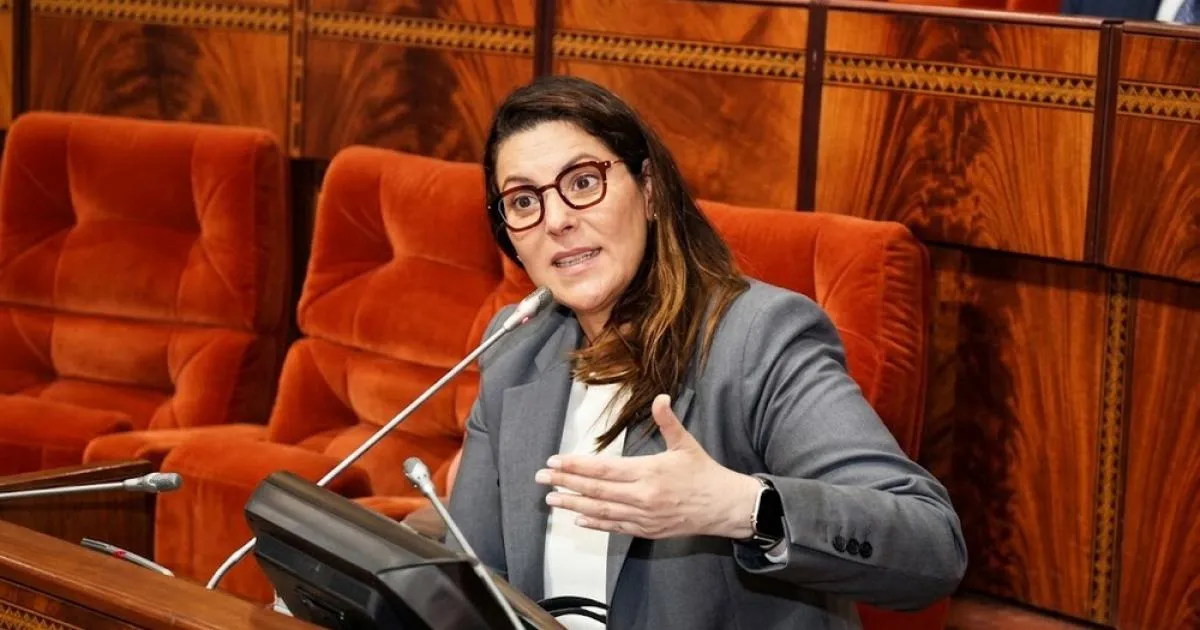
Mansouri’s political journey did not end with her local responsibilities; in the 2011 legislative elections, she transitioned to the national stage by entering the House of Representatives representing the Sidi Youssef Ben Ali district. Alongside her parliamentary duties, her influence within PAM grew. During the party's third national congress in 2016, she was elected president of the National Council, a critical organizational body within the party, and continued in this role after the fourth national congress in 2020.
This period marked a significant transition in her career, as Mansouri evolved from being a local or parliamentary representative to a key figure within the party's leadership, during a time when PAM was restructuring and seeking to solidify its place in Moroccan politics.
The 2021 elections provided another boost to Mansouri’s career, as she reclaimed the presidency of the Marrakech city council, winning the local elections and regaining the position she previously held from 2009 to 2015. Shortly thereafter, she joined the government on October 7, 2021, when she was appointed Minister of National Planning, Urbanism, Housing, and City Policy in Aziz Akhannouch's government. This dual role of local governance and government responsibility has become a cornerstone of her political identity.
In February 2024, Mansouri entered a new phase within PAM, following the fifth national congress that established a collective leadership for the party's General Secretary. She was elected as a coordinator of this new leadership alongside fellow party members, tasked with coordinating collective efforts and representing the party in various political and organizational arenas. The party presented this collective leadership as a means of distributing responsibilities and fostering collaborative work, while Mansouri emphasized that this initiative aims to rejuvenate party operations and offer a political proposal that aligns with the aspirations of Moroccans.
As she approached the 2026 elections, Mansouri carried a political legacy that spanned local councils, parliament, government, and party leadership. After the final election results were announced, PAM emerged victorious with 97 seats, surpassing the National Rally of Independents, which secured 66 seats. The remaining seats were distributed among various other parties.
On September 29, 2026, a royal appointment placed Mansouri at a new and unprecedented juncture in her career, as King Mohammed VI tasked her with forming the new government, making her the first woman to hold the Prime Minister position in Morocco. This role not only requires her to establish a new governmental coalition but also to manage critical economic, social, and developmental issues as Morocco prepares for significant events such as the 2030 World Cup, along with associated investments, infrastructure, job creation, and public services. Thus, Mansouri's journey from Marrakech to Rabat is not merely a sudden political leap; it is the culmination of a trajectory that began with local responsibilities and evolved through parliament, government roles, and party leadership, ultimately leading to her appointment to form the new Moroccan government.
As reported by middle-east-online.com.