
Understanding the Disillusionment of Young Moroccans
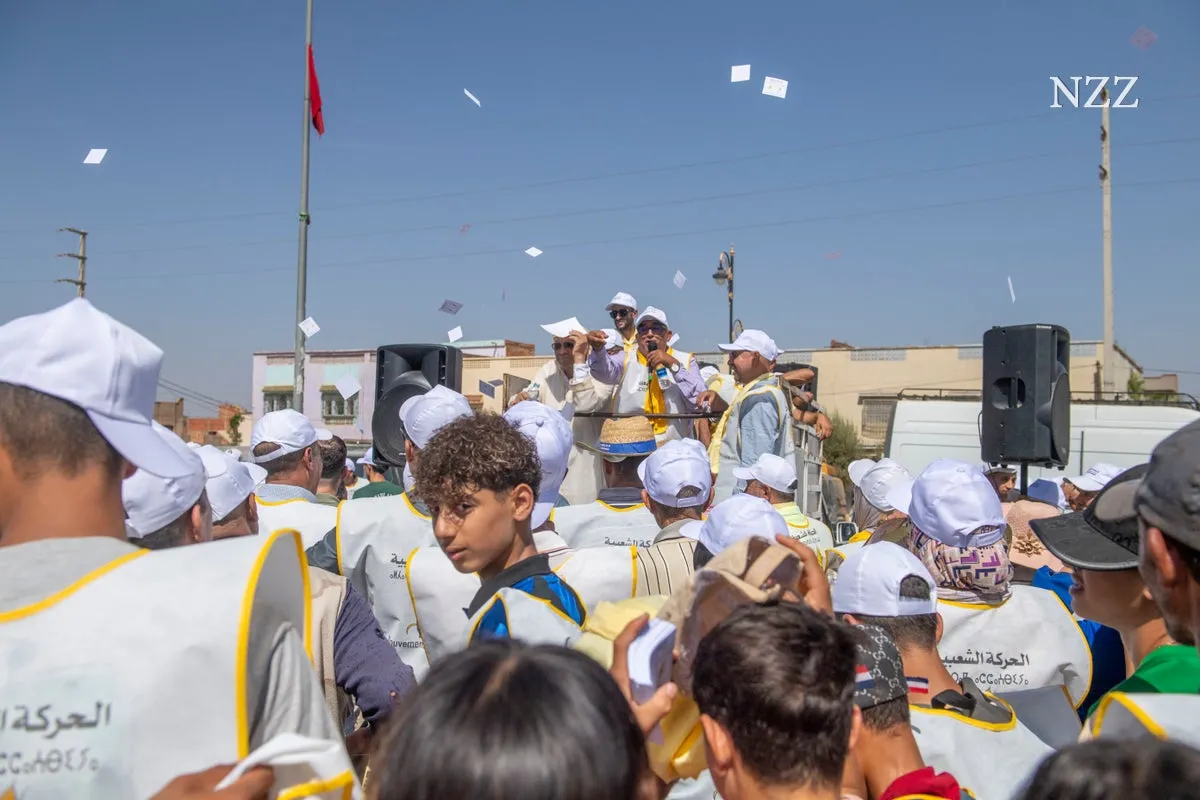
In Morocco, a nation in North Africa, a palpable sense of frustration permeates among the youth, particularly as parliamentary elections approach. Despite this frustration, many young people choose to abstain from voting altogether, raising the question: why is this the case? Younes Belaidi, a 29-year-old activist and social worker, passionately addresses his supporters outside a garage converted into a polling station in the Yasmina neighborhood of southern Casablanca. With only two days remaining until the elections, he is determined to secure a seat in the parliament. Belaidi, who has dedicated years to improving conditions in his impoverished neighborhood, believes in the power of change, stating, "I know it's not easy, but I want to at least make a statement. Those who do not assert their rights have already lost." His words resonate as friends and allies gather around him, showing solidarity and support for his candidacy under the banner of the PPS, a leftist party that emerged from Morocco's communist movement.
The PPS positions itself as the party of the youth, advocating for greater justice and better opportunities for young people. Yet, amidst the widespread dissatisfaction with the current state of affairs in Morocco, the youth's engagement in the electoral process remains alarmingly low. Just a year ago, protests erupted across the country, with thousands of young people participating in the Generation Z protests, voicing their discontent over economic hardships, poor healthcare, and lack of opportunities. More recently, tens of thousands of predominantly young men attempted to breach the borders to the Spanish enclave of Ceuta, expressing despair over their bleak prospects in Morocco, citing a lack of jobs and a future.
The Election Reality: Apathy and Disillusionment
As the parliamentary elections unfold, it is evident that a significant shift in power is unlikely. Predictions indicate that the ruling parties will maintain their positions, potentially only exchanging places in the process. Alarmingly, many young Moroccans exhibit little interest in participating in the elections. Belaidi, despite having been part of the Generation Z protests, represents one of the few young candidates. Reports reveal that the voter rolls are largely devoid of young voters, suggesting a widespread loss of hope for change among the youth. Casablanca, Morocco's largest city, hardly displays the energy of an election campaign; candidate posters are scarce, and key political offices appear deserted.
Instead of engaging in the political process, many young people flock to cultural events like "L’Boulevard," a free music festival held at the university stadium, where they enjoy performances from popular bands, creating an atmosphere far removed from the political discourse surrounding the elections. When questioned about the elections, a young woman working at the festival expressed her ignorance of the event, highlighting a disconnection from the political landscape. Abdelali Mastour, head of the Casablanca Citizen Forum, attributes this apathy to a credibility crisis within Moroccan politics, where many view politicians as deceitful and self-serving. His organization strives to educate young people politically, attempting to bridge the gap between the youth and the political elite.
Despite being the economic engine of Morocco, Casablanca showcases stark contrasts within the nation. While new developments like a mega stadium for the 2030 World Cup and modern skyscrapers emerge, rural areas continue to grapple with severe poverty. Mastour emphasizes the existence of two distinct Moroccos: one for the winners and another for the losers. Although the country has made notable economic strides, the emergence of new industries has not translated into sufficient qualified job opportunities, and the education system remains inadequate, particularly for those who do not speak French or English.
Political parties seem interchangeable in their strategies, often trading personnel as if they were football players. The reigning National Rally of Independents (RNI) and the favored Authenticity and Modernity Party (PAM) are both led by seasoned politicians, including the current Prime Minister Aziz Akhannouch, one of Morocco's wealthiest entrepreneurs. His potential successor, Fouzi Lekjaa of PAM, also holds a prominent position in the Moroccan Football Federation, illustrating the intertwining of politics and business in Morocco.
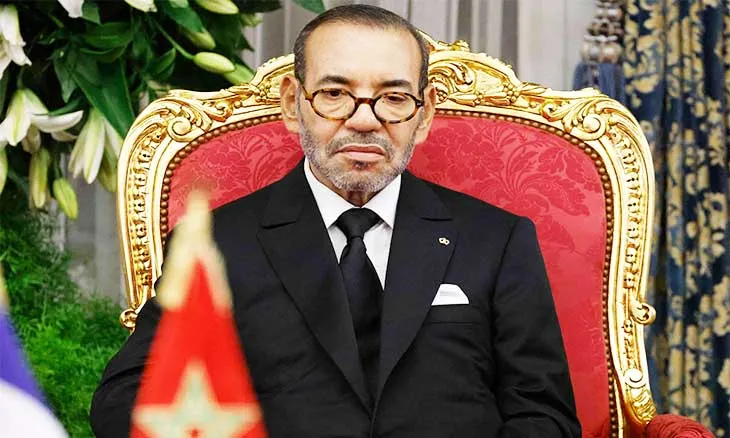
Ultimately, the final authority in Morocco resides not with the government but with King Mohammed VI, who is viewed as untouchable due to his lineage tracing back to the Prophet Muhammad. In times of crisis, many citizens prefer to appeal directly to him rather than rely on elected officials, who often deflect responsibility. This dynamic leads to a preference for NGO work among activists, such as Meriam, who feels that this avenue allows for more direct impact on people's lives. The prevailing sentiment among many is that even within leftist parties, the focus often shifts to influence and positions rather than genuine change.
As Younes Belaidi and his supporters march through the impoverished streets of Yasmina, chanting slogans, they encounter skepticism from young men who express indifference towards politics. Belaidi, who grew up in this neighborhood as the son of an illiterate bus driver, remains resolute in his mission to foster change, despite the fact that his younger brother recently joined the wave of youth fleeing to Ceuta. The statistics are telling: 70,000 have already sought refuge in Ceuta, with countless more aspiring to leave Morocco. This narrative underscores a nation grappling with the loss of its youth, as Moroccan bloggers attempt to incite nationalist sentiments amidst the migration crisis, often depicting it as an invasion. Recent relations between Spain and Morocco appeared to be improving, yet the mass exodus would have been impossible without the tacit complicity of the Moroccan kingdom.
As reported by nzz.ch.