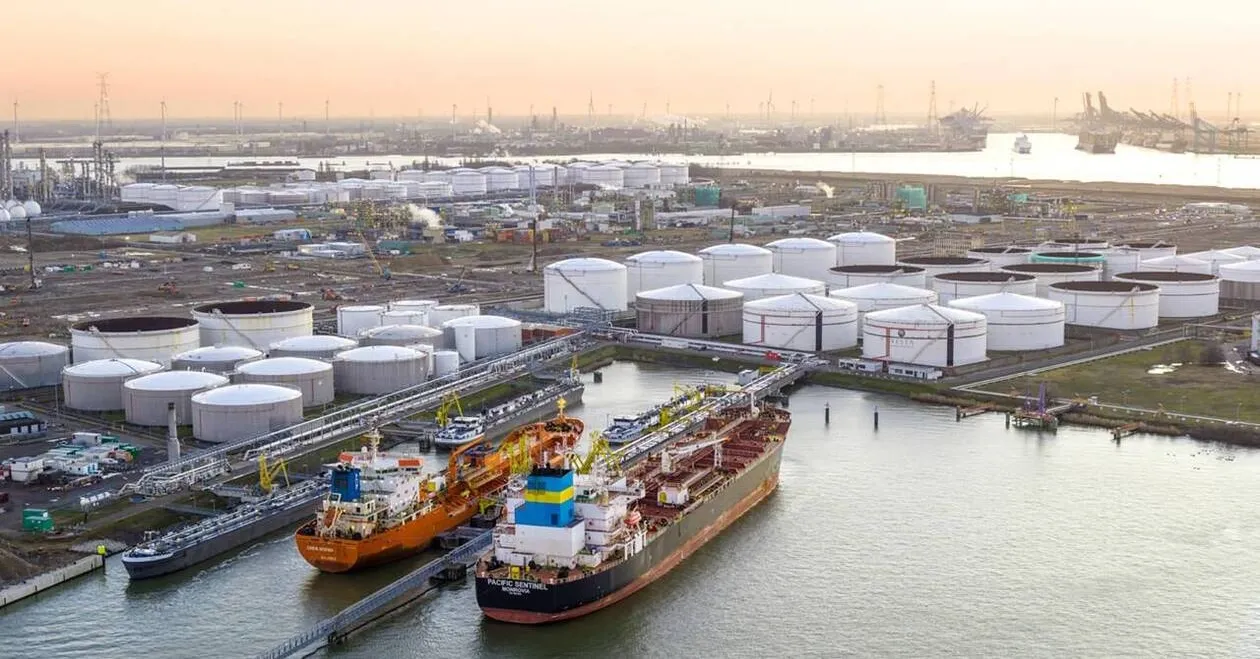

In Murmansk, a significant fuel crisis is unfolding as a shipment of gasoline imported from Tangier, Morocco, two weeks ago remains unloaded at the port due to ongoing disputes regarding its pricing. According to reports from Reuters, the shipment, consisting of AI-92 petrol, was transported by a Panama-flagged tanker carrying approximately 30,000 metric tonnes of fuel, equating to around 40.5 to 41 million litres. The shipping company, Lukoil, has refrained from making any public comments regarding this transaction.
In addition, the St. Petersburg International Mercantile Exchange has introduced new trading instruments for AI-92 petrol, which is to be delivered from the Kola station in the Murmansk region, as of July 29. However, trading activities have yet to commence, with tankers still unable to unload their cargoes in Murmansk and trains meant to transport the fuel remaining idle at the Kola station. A recent report from the InfoTEK portal cites three sources indicating that the petrol has not yet penetrated the domestic market due to a lack of agreement between oil companies and regulators over the pricing.
Sources familiar with the situation revealed that the seller is demanding up to 150,000 roubles per tonne, citing complex logistical challenges, while Russian regulators insist on pricing that aligns with domestic market rates. Initial offers for the AI-92 petrol were reported at 130,000 roubles per tonne, later adjusted to 110,000 roubles, while the domestic exchange price as of August 13 stood at 77,620 roubles per tonne. While negotiations continue, the fuel crisis in the northwestern part of the country is intensifying.
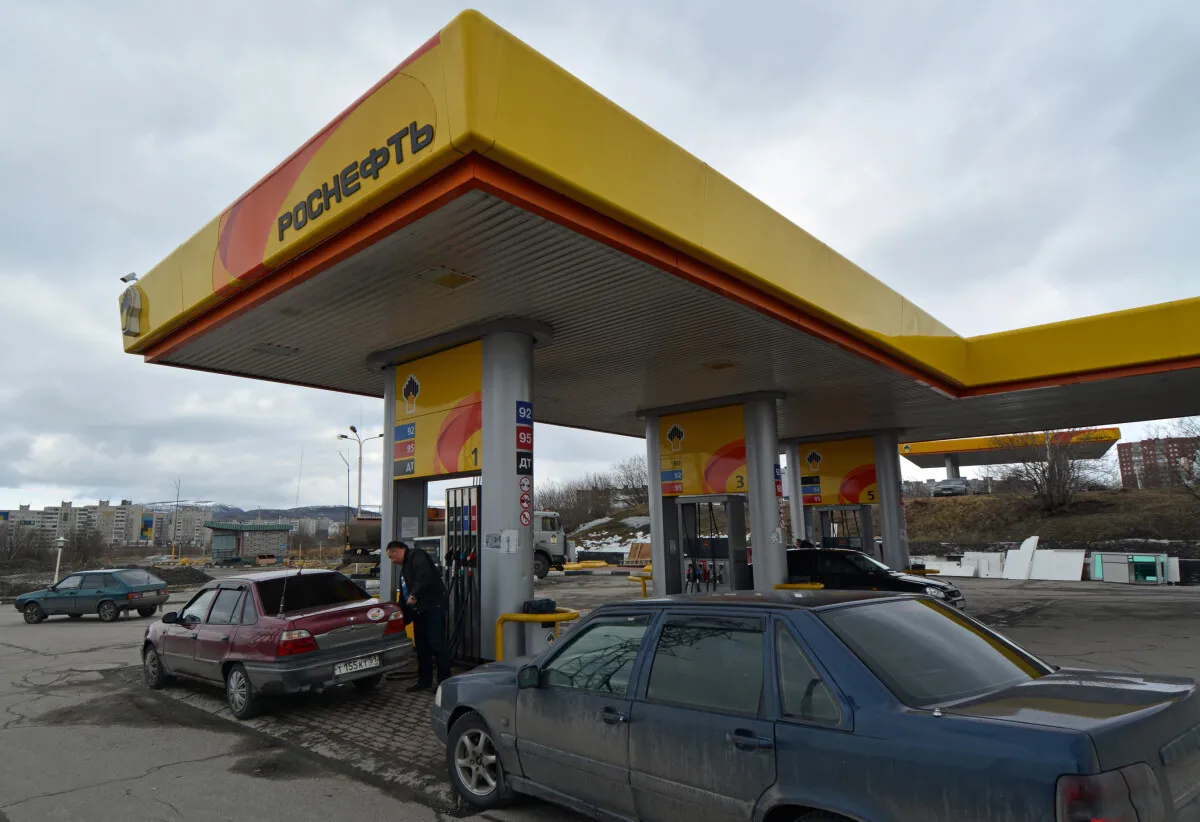
Reports from local media are highlighting the dire state of fuel availability in the Murmansk region. For instance, the Arctic Observer recently shared subscriber accounts indicating that only one out of two Rosneft stations in Kirovsk has petrol, distributing it in limited quantities of 30 litres per person according to a specific schedule. Meanwhile, in Apatity, the Gazprom station has run out of petrol, while Lukoil is still supplying some, and Rosneft's availability is uncertain, leading to restrictions on sales.
Moreover, the Nord-News portal has reported that shortages of AI-92 and AI-95 petrol have become widespread, with most major petrol station chains reporting significant depletion of fuel. An interactive map detailing fuel availability in the region reveals that restrictions have been imposed at nearly all petrol stations. The situation is not limited to Murmansk; Arkhangelsk is also experiencing a resurgence of fuel shortages, with city officials noting that only three petrol stations are currently offering AI-92 and AI-95 petrol, and all are enforcing limits on purchases ranging from 30 to 60 litres per customer, as reported by News29.ru.
The ongoing fuel crisis has also extended to Karelia, where restrictions on fuel sales are being enforced, with Rosneft stations limiting purchases to 30 litres, while others are capping sales at 40 litres, highlighting the widespread nature of the crisis affecting the northern regions of Russia.
As reported by thebarentsobserver.com.