
Upcoming Fuel Price Increase in Morocco
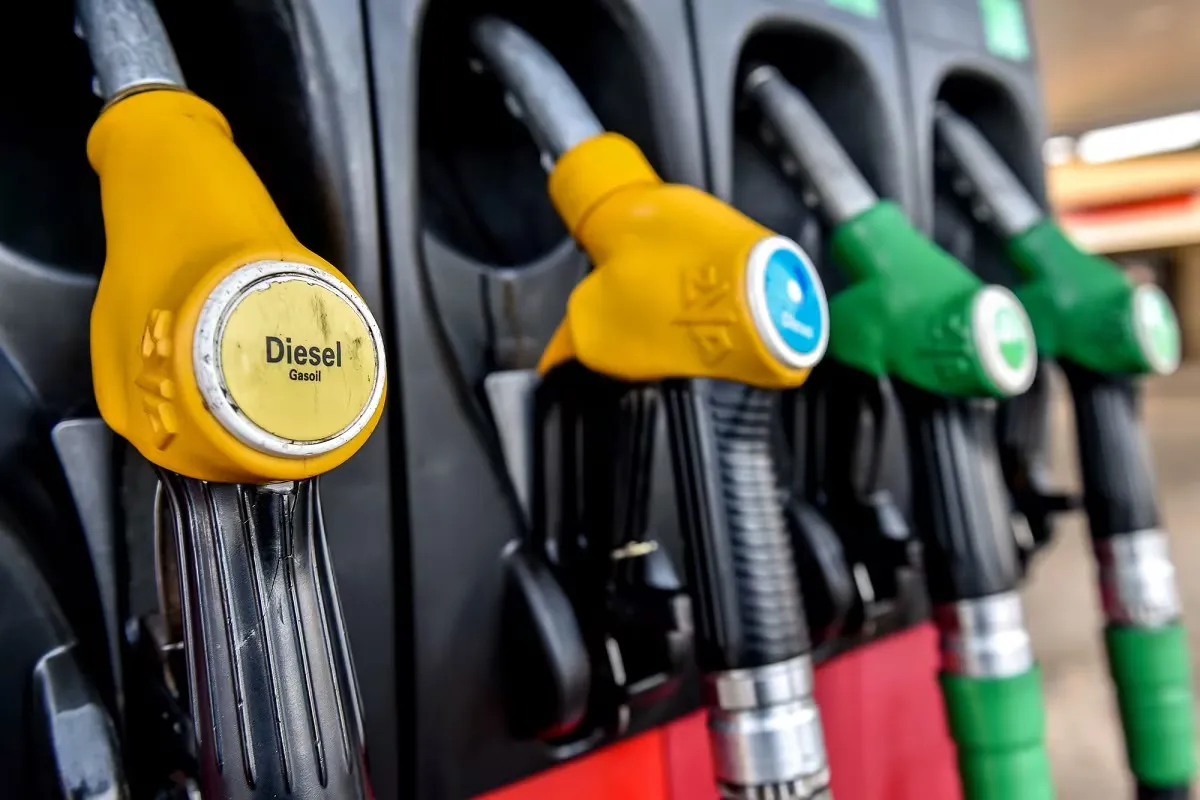
Motorists in Morocco are bracing for a significant increase in fuel prices, which will take effect on Wednesday, September 16. According to reports, the price of diesel is expected to rise by 34 cents per liter, while the cost of unleaded gasoline will see an increase of 27 cents per liter. This adjustment comes just two weeks after the last price revision, which occurred on September 1, when diesel prices had already increased by 6 cents, leaving gasoline prices stable.
In a recent survey conducted in Casablanca, prices were recorded at 14.96 MAD per liter for diesel at stations such as Petromin Oils, Afriquia, and Winxo, while Shell offered it at 14.99 MAD per liter. The price for gasoline was approximately 14.93 MAD per liter in the same region. With the anticipated price hike, diesel will reach around 15.30 MAD per liter, while gasoline is expected to rise to about 15.20 MAD per liter. It is important to note that these figures are indicative and may vary slightly depending on the fuel station and city.
Market Trends and International Pressure
This latest increase will mark a cumulative rise of 2.74 MAD per liter for diesel since mid-July. The price hikes have been consistent, with an initial increase of 69 cents in July, followed by a one dirham increase in early August, another rise of 65 cents in mid-August, and then the minor increase at the beginning of September. Notably, this surge has led to diesel becoming more expensive than gasoline—a trend that has become particularly pronounced since the start of the month. Such a price inversion is relatively rare in the Moroccan market, with the last similar occurrence noted in March 2022 amidst the geopolitical tensions stemming from the war in Ukraine.
The international oil market remains under significant pressure. As of Tuesday, September 15, 2026, Brent crude oil was trading above $107 per barrel after experiencing an 8% increase in the week ending September 11. This surge is primarily driven by concerns over supply disruptions, particularly following attacks on Saudi energy infrastructure that have led to the suspension of the East-West pipeline. Furthermore, the global diesel market is facing tight supply due to ongoing disturbances in the Middle East and reduced refining capacities in Russia. Notably, diesel exports from Russia and the Gulf have decreased by 1.6 million barrels per day since February 2026, exacerbating the situation.
As reported by fr.le360.ma.