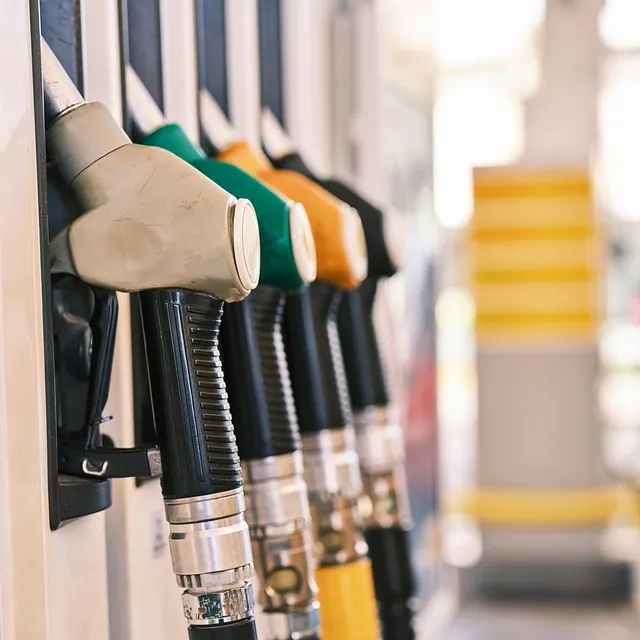

In a notable shift, fuel prices in Morocco have seen another increase as of today. Diesel has surged by MAD 0.34 per liter, while gasoline has risen by MAD 0.27 per liter, according to industry sources. This latest hike follows a previous adjustment made just two weeks ago, during which diesel prices experienced a modest rise of MAD 0.06 per liter, with gasoline prices remaining stable during that time. Following this most recent increase, consumers in Casablanca can expect to pay approximately MAD 15.30 per liter for diesel, and gasoline prices are set to exceed MAD 15.20 per liter. It is important to note that actual pump prices may differ based on factors such as distributor, fuel station, and geographic location.
The recent price hike is part of a prolonged series of adjustments that have been observed in Morocco since July. Notably, diesel prices had fallen by MAD 0.96 at the beginning of July, only to rise again by about MAD 0.65 to MAD 0.70 in mid-July. In early August, diesel prices surged by around MAD 1, followed by another increase of roughly MAD 0.65 in mid-August. Conversely, gasoline prices have exhibited a distinct trend; they increased nearly MAD 0.40 in mid-July and about MAD 1 at the start of August, before experiencing a decline of MAD 0.30 in mid-August. Following these fluctuations, gasoline prices remained unchanged during the latest adjustment on September 1, where diesel was priced at around MAD 15.01 per liter, a slight increase from MAD 14.95, while gasoline held steady at approximately MAD 14.94.
Global Oil Market Influences Fuel Prices
The recent adjustments to fuel prices in Morocco occur against a backdrop of ongoing volatility in international oil markets, fueled by geopolitical tensions in the Middle East that have heightened supply concerns. As of September 15, Brent crude oil settled at $108.75 per barrel, marking its highest closing price since May 19, following a rise of $3.07, or 2.9%. This surge can be attributed to increasing worries over potential disruptions in regional supplies and shipping routes. Reports from Reuters indicate that recent attacks on Saudi energy infrastructure and uncertainties surrounding oil shipments through the Strait of Hormuz have significantly influenced the upward trajectory of oil prices.
However, there was a brief respite in oil prices on Wednesday after Saudi Arabia announced plans to offer additional crude shipments via Oman, which alleviated some concerns regarding supply disruptions. As a result, Brent crude was trading around $107.92 per barrel, while US West Texas Intermediate was positioned at approximately $104.42. These developments underscore the interconnectedness of global oil markets and their direct impact on local fuel prices.
As reported by moroccoworldnews.com.