
Geopolitical Realignment in North Africa
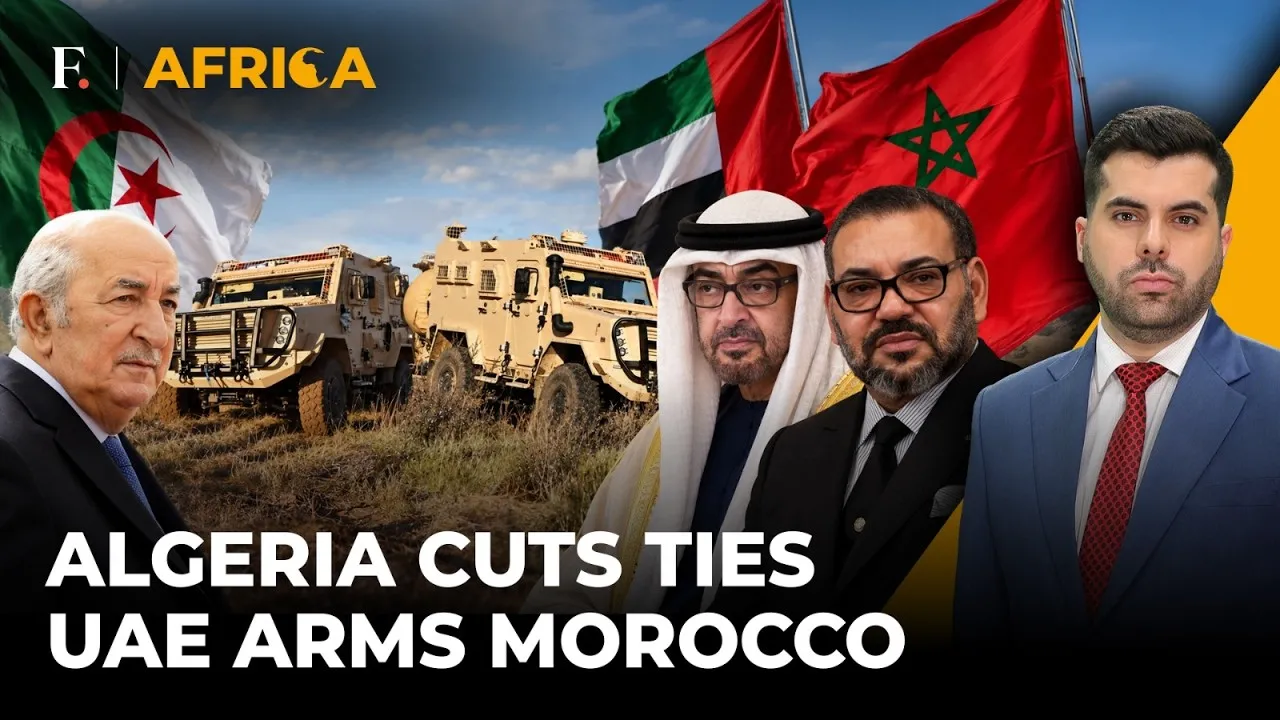
The geopolitical landscape of North Africa is undergoing a significant transformation as Morocco and the United Arab Emirates (UAE) reinforce their military and diplomatic ties, while Algeria distances itself from the UAE amidst rising tensions. Recent developments have led to Algeria severing diplomatic relations with the UAE and expelling its ambassador, a move prompted by allegations of the UAE's hostile interventions in the Sahel region and Libya. This rift underscores a broader struggle for influence and control over vital trade corridors and security architectures across the continent, particularly as Morocco moves to solidify its position as a key ally of the UAE.
In a stark contrast to Algeria's stance, Morocco has embraced a closer partnership with the UAE, highlighted by the recent visit of the UAE’s armed forces chief of staff to Rabat. This visit marks the third joint military committee meeting, indicating a deepening defense cooperation that dates back to diplomatic relations established in 1980. The UAE has previously shown support for Morocco's sovereignty claims over Western Sahara, further illustrating the growing alignment between the two nations. Such developments not only reflect Morocco's strategic military interests but also its ambition to enhance its regional influence against the backdrop of Algeria's withdrawal.
This evolving dynamic in North Africa exemplifies a critical geopolitical fault line that could reshape alliances and power structures within the region. The implications of these changes extend far beyond mere diplomatic relations, as they involve intricate issues of security, trade, and regional stability that affect the Sahel and beyond. As the situation unfolds, observers are keenly watching how these nations navigate their relationships and what this will mean for the future of North Africa.
As reported by youtube.com.