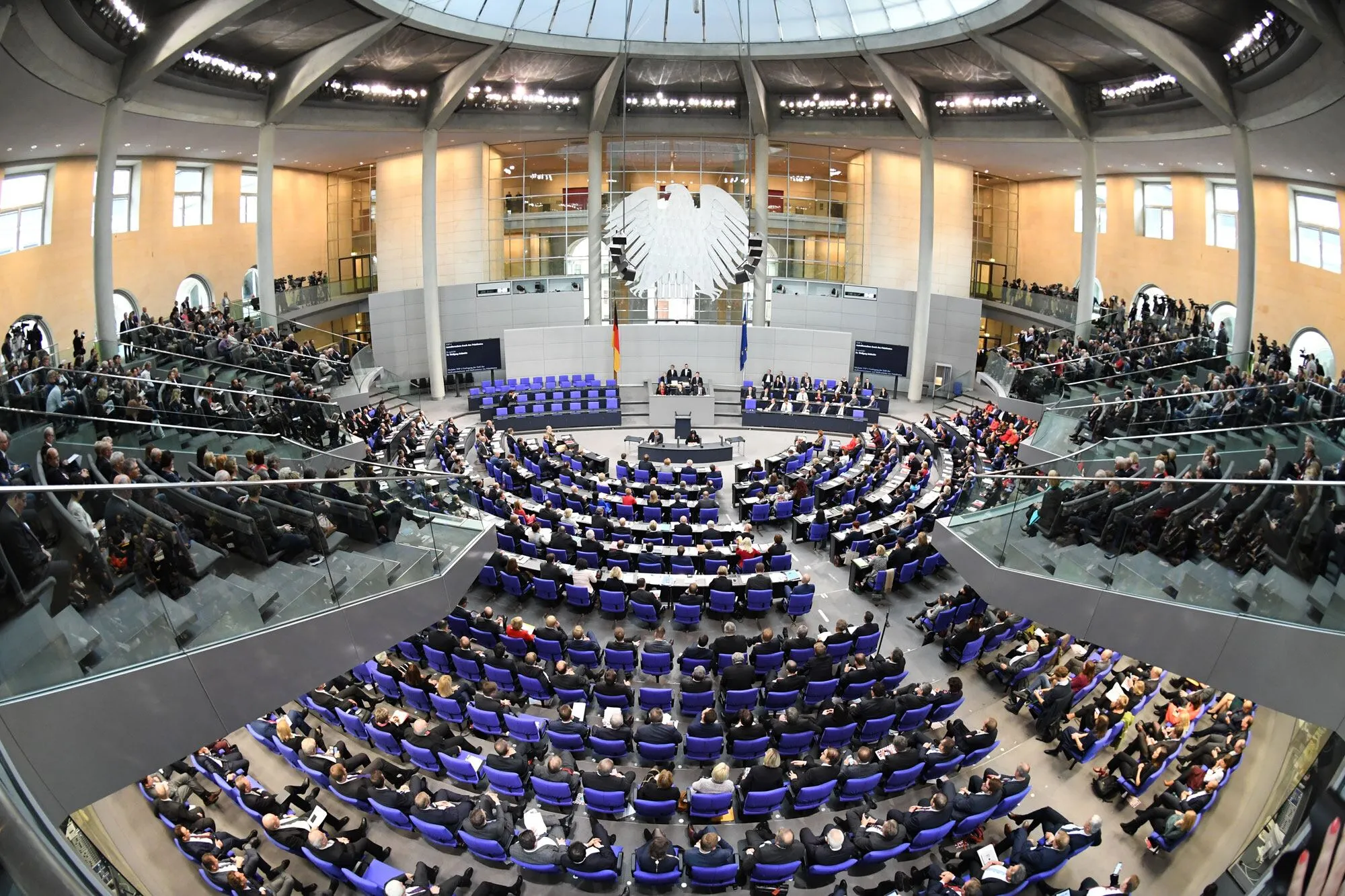

Germany Affirms Support for EU-Morocco Trade Agreement
The German government has officially endorsed the new trade agreement between Morocco and the European Union, which maintains European tariff preferences for products originating from the Sahara region. This support was clearly articulated in a response from the German federal government to a parliamentary inquiry raised by members of the Die Linke party. Released on August 24, 2026, under reference Drucksache 21/7703, this response specifically addresses the new trade arrangement and its application to products sourced from the contested Sahara region.
In addressing concerns regarding any reservations about the new framework, the German federal government unequivocally stated that it has none. Furthermore, Berlin has confirmed that this new commercial agreement aligns with a ruling issued by the Court of Justice of the European Union (CJEU) on October 4, 2024. The German government has also clarified that the European Commission has verified that this new agreement fully complies with the conditions set forth by the CJEU, especially those related to the benefits arising from the agreement.
Enhancing EU-Morocco Relations
This endorsement from Germany is significant, especially considering the country's influential position within the European Union. By officially stating that it has no reservations and viewing the new agreement as compatible with the CJEU's ruling, Berlin strengthens the European institutions' approach to preserving and enhancing trade relations with Morocco. This move comes at a time when the EU and Morocco are deepening their cooperation, particularly within the framework of the EU-Morocco Association Council.
The European Commission had been tasked by member states to negotiate the adaptation of the trade framework with Morocco. On September 10, 2025, the Council of the European Union granted authorization to initiate negotiations aimed at modifying the protocols of the EU-Morocco Association Agreement. The new arrangement also introduces a regular monitoring mechanism to ensure proper implementation and outlines rules regarding the origin of the products in question, particularly those from the Laâyoune-Sakia El Hamra and Dakhla-Oued Eddahab regions.
This development not only reinforces the partnership between Rabat and Brussels but also places Morocco in a favorable position within the EU's strategic interests in North Africa. As the EU continues to adapt its commercial framework in light of European jurisprudence, the affirmation from Berlin serves as a pivotal endorsement for Morocco's trade interests in the Sahara region.
As reported by fr.le360.ma.