
Wadephul's Diplomatic Engagement in Morocco
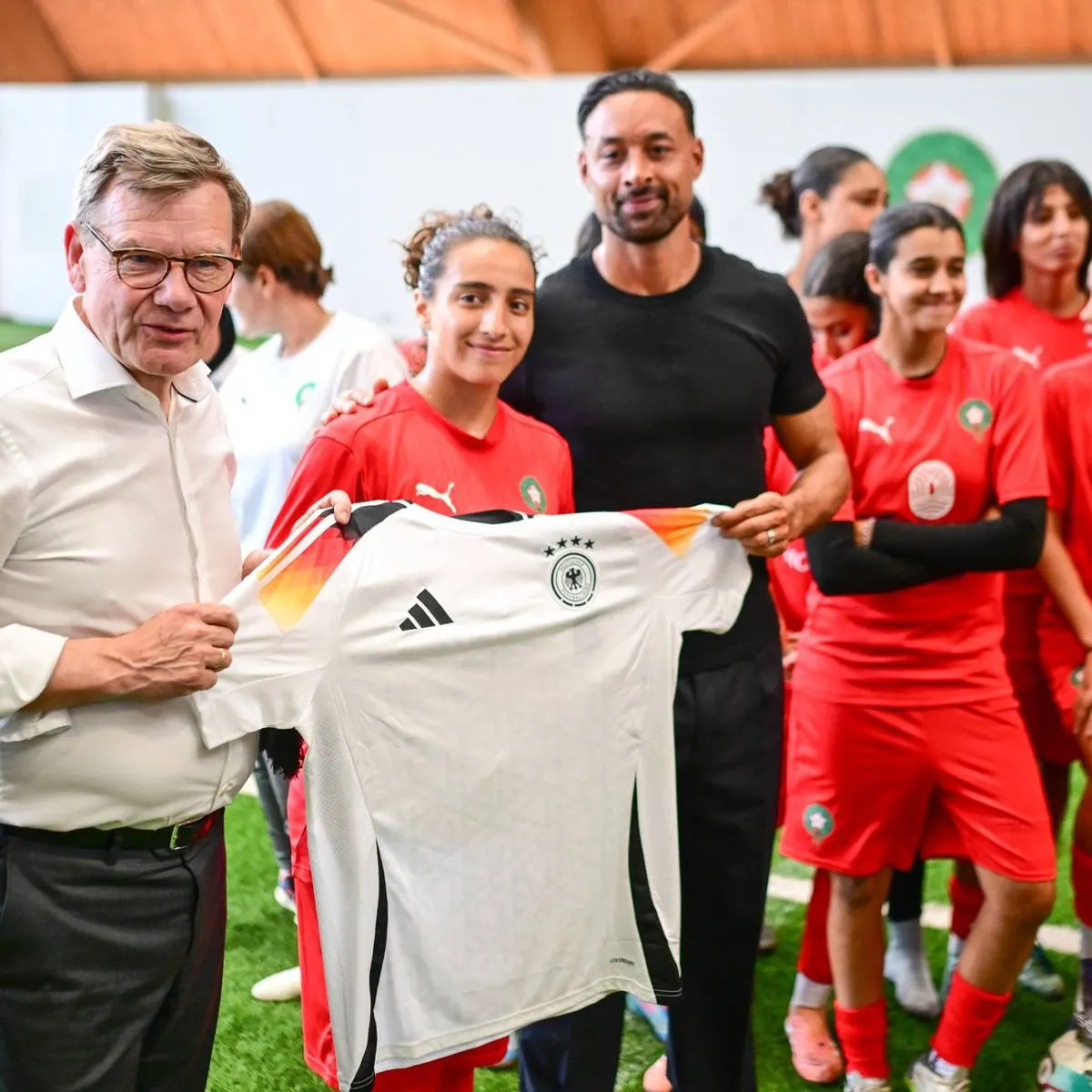
During his recent visit to Morocco, German Foreign Minister Johann Wadephul of the CDU presented a football jersey to the captain of the local team he had just played against, highlighting the cultural and sporting ties between the two nations. Accompanied by former football player Karim Bellarabi, this visit coincided with the celebration of 70 years of diplomatic relations between Germany and Morocco. Wadephul's agenda included meetings with a German automotive supplier, participating in youth football activities, and touring the royal mausoleum in Rabat. This trip underscores Morocco's strategic significance for Germany, not only as a partner in raw materials and manufacturing but also as a prospective supplier of renewable energy, particularly green hydrogen. Moreover, Morocco's role as a key player in migration routes to Europe and its support of counter-terrorism efforts through intelligence sharing cannot be overlooked.
Assessing Germany's Foreign Policy Direction
As Wadephul approaches the one-year mark in his role as Foreign Minister, he reflects on the initial ambitious goals he set alongside Friedrich Merz to unify Germany's foreign policy approach. However, as global crises unfold, such as the ongoing conflicts in Ukraine and Iran, the clarity of Germany's diplomatic direction appears to be lacking. Wadephul confidently asserts that Germany has more international partners than ever, but the nature of his recent engagements seems more obligatory than strategically impactful. Prior to his Morocco visit, he was in New York advocating for Germany's non-permanent seat on the UN Security Council, and his upcoming travels to Ireland and Greece further illustrate a packed schedule that lacks a cohesive strategy for crisis diplomacy.
In the early days of his tenure, Wadephul was proactive, visiting Ukraine and engaging in discussions regarding the Israeli-Palestinian conflict during a heightened period of violence in Gaza. However, his increasingly cautious approach since then raises questions about Germany's ability to exert influence in key global conflicts, particularly in Ukraine and Iran, where other actors appear to have taken the lead. While Wadephul acknowledges that Germany is not at the forefront of negotiations, he emphasizes that the nation continues to play a critical role, particularly as a significant supporter of Ukraine in terms of financial, military, and political assistance. He asserts that stabilizing Ukraine is vital for the broader security architecture of Europe.
Wadephul's Morocco visit also saw him navigating challenging comments from former U.S. President Donald Trump regarding Germany's military presence. Despite these political hurdles, Wadephul remains optimistic, expressing hope for diplomatic breakthroughs in regions like Sudan and the Western Sahara, where he sees tangible opportunities for resolution. His statements reflect a belief in the potential of diplomacy to effect positive change, even amid the complexities of international relations.
As reported by rp-online.de.