
Infantino's Geopolitical Maneuvering in Football
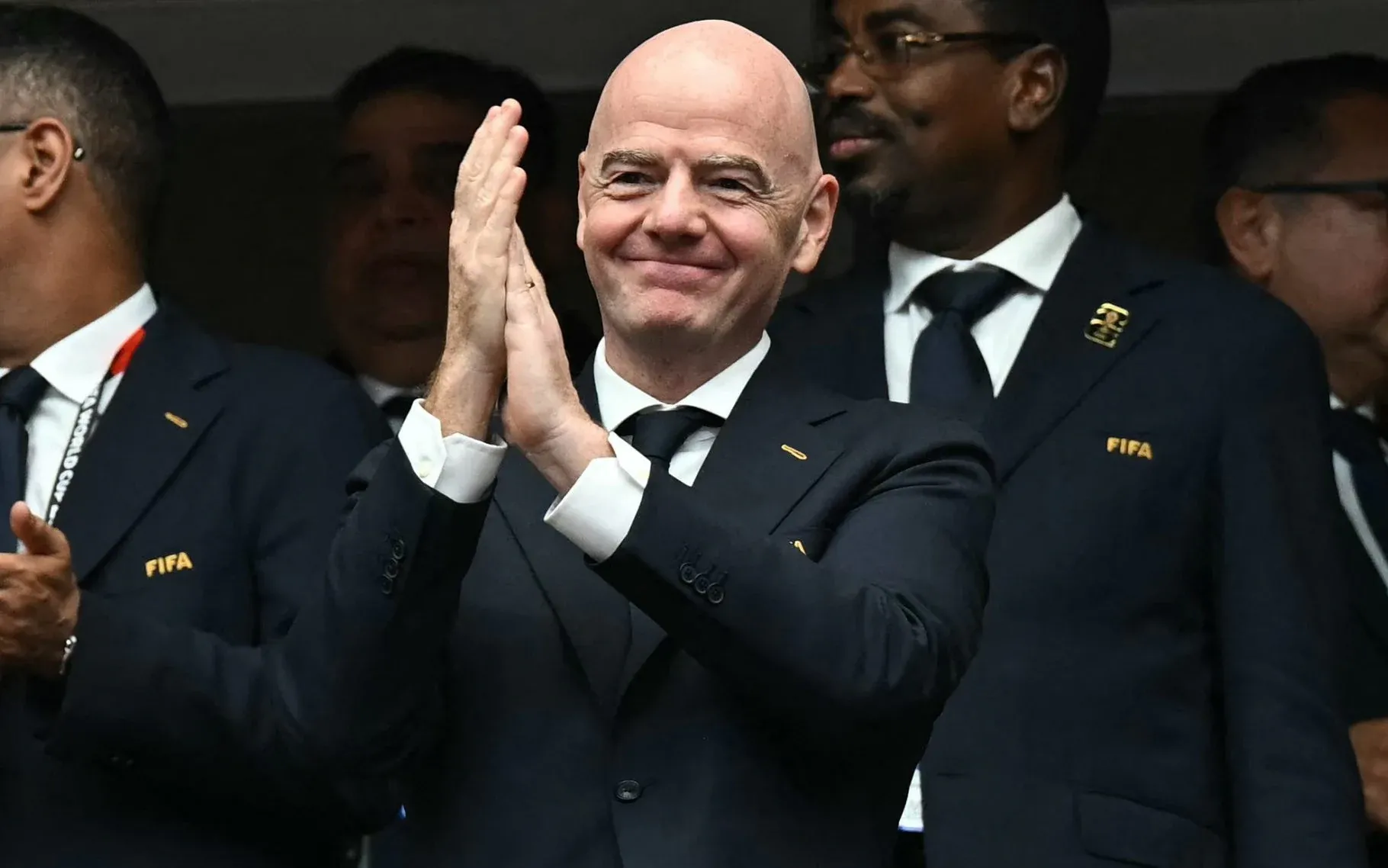
In a bold strategic move, FIFA President Gianni Infantino has proposed that Casablanca, Morocco, serve as the host for the 2030 World Cup final, a choice that has raised eyebrows and sparked discussions within the football community. This decision comes as Infantino finds himself in a precarious position, desperately working to secure his presidency amidst growing dissent. His recent trip to Rabat, the capital of Morocco, where he convened with members of FIFA's management board, underscores his reliance on African support, which has been a hallmark of his tenure, much like his predecessors, João Havelange and Sepp Blatter. The African continent, represented by the Confederation of African Football (CAF), holds significant sway in FIFA elections, with 54 member nations comprising a substantial portion of the organization’s 211 members. Therefore, winning the backing of CAF is crucial for any presidential candidate.
Havelange, who became FIFA president in 1974, understood this dynamic well and successfully garnered African support by promising to expand World Cup participation and taking a stand against apartheid in South Africa. Similarly, Blatter leveraged CAF's influence by introducing direct financial support for its members, culminating in the historic 2010 World Cup being held in South Africa. Infantino has continued this trend by pledging substantial development funds to FIFA’s member associations and advocating for an expanded World Cup that increased African representation. This expansion not only benefited the continent but also solidified his ties with CAF, as evidenced by the unwavering support he received from CAF President Patrice Motsepe and other members after facing criticism for his management of FIFA's financial strategies.
The Implications of Hosting the Final in Morocco
By proposing the World Cup final in Morocco, Infantino is not merely responding to logistical considerations; he is strategically positioning himself within a highly charged geopolitical context. Relations between Spain and Morocco are currently strained, particularly following a surge of migration across the Mediterranean, which has exacerbated tensions between the two nations. The choice to favor Casablanca over Madrid, with its new 115,000-seat stadium set to become the largest in the world, reflects Infantino’s intent to consolidate support from his African base, especially with the FIFA presidential election looming in March 2024, which will take place in Morocco.
This proposal has not gone unnoticed by Spain, whose football federation has expressed its dissatisfaction with the idea that Morocco could host the final match. Spanish FA President Rafael Louzán has emphasized Spain's ambition to lead the 2030 World Cup, insisting that the final should occur on Spanish soil. Infantino's advocacy for Morocco as the final’s host not only highlights the ongoing rivalry between the two nations but also showcases his ability to navigate and exploit geopolitical tensions for personal and organizational gain. As Infantino aims to secure his fourth term, his move to support Morocco could ultimately serve as a powerful statement of his commitment to globalizing football and enhancing its presence beyond traditional strongholds.
As reported by telegraph.co.uk.