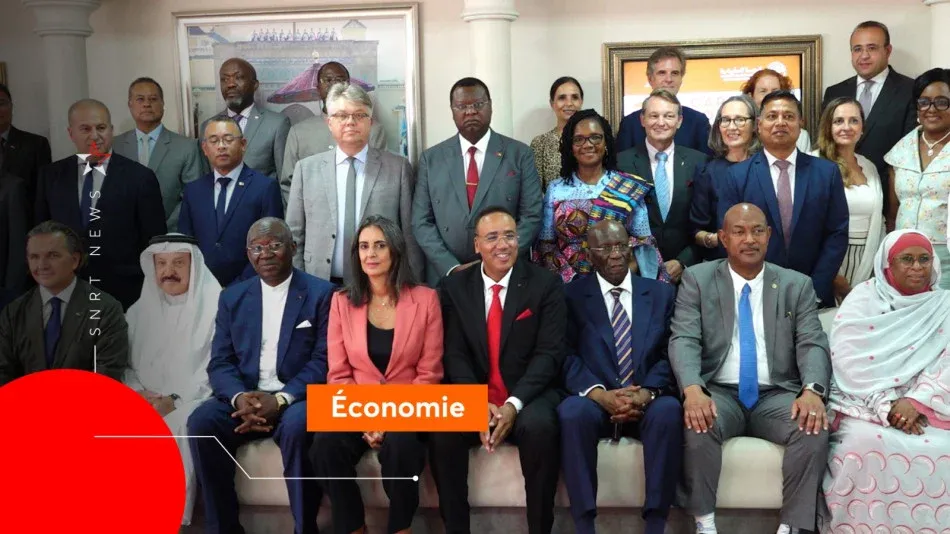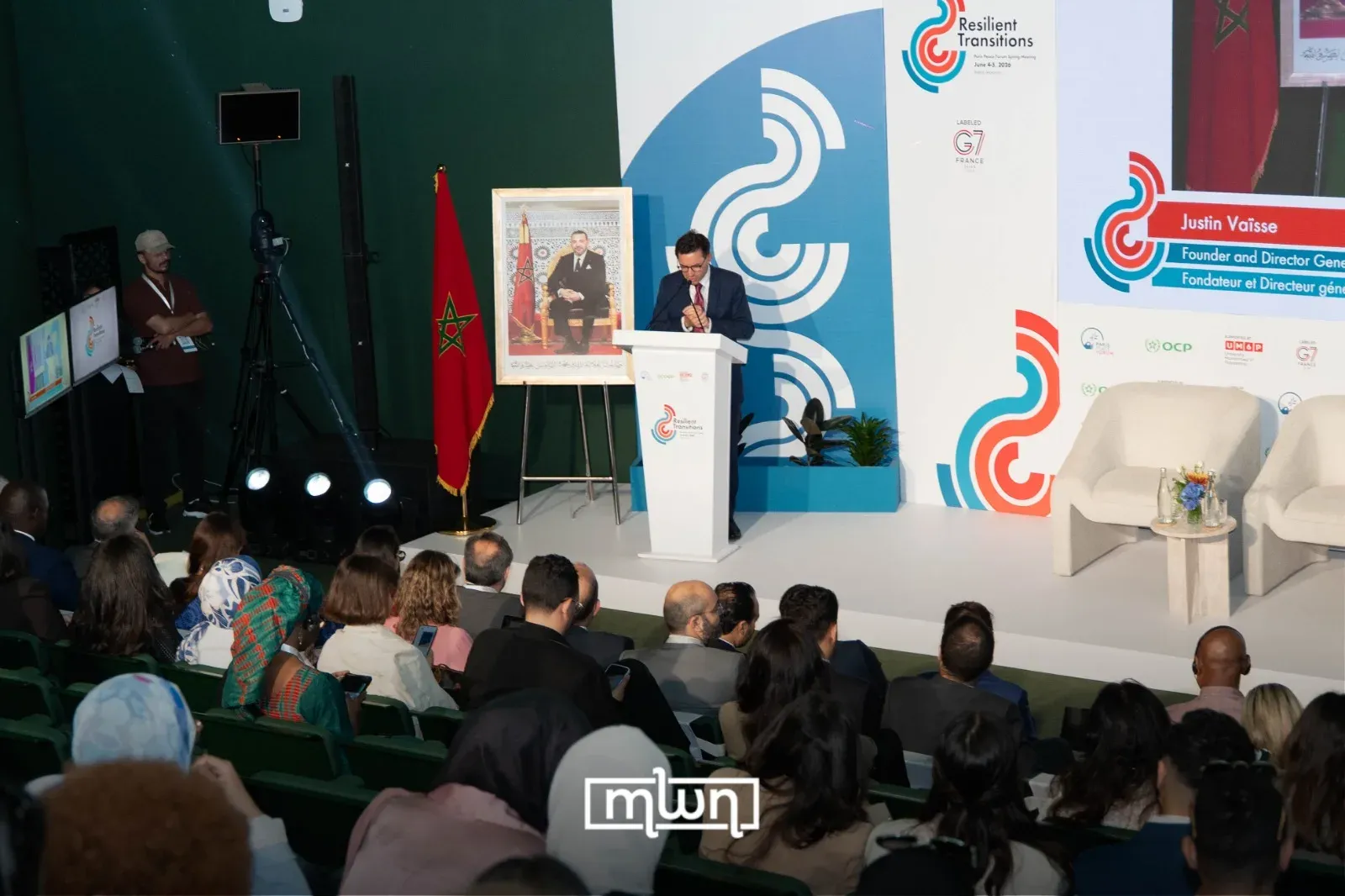

In an era marked by escalating geopolitical tensions, climate crises, and rapid technological advancements, international leaders, policymakers, researchers, investors, and representatives from civil society convened in Rabat for the 2026 Spring Meeting of the Paris Peace Forum. This significant event, organized by the Paris Peace Forum in collaboration with the OCP Group and supported by Mohammed VI Polytechnic University (UM6P), is centered around the theme of "Resilient Transitions." Over the course of two days, the forum is designed to examine how societies can adapt to global disruptions while steadfastly pursuing sustainable development goals.
At the opening of the forum, Justin Vaïsse, the Founder and Director General of the Paris Peace Forum, emphasized the criticality of maintaining international cooperation during a time when multilateral institutions face mounting pressures from geopolitical rivalries, populism, and global fragmentation. Vaïsse acknowledged the current instability of the international system, characterized by competing priorities, yet he firmly argued that cooperation is not only feasible but essential. He presented a "glass half full" perspective, asserting that despite the tensions that exist between major powers, multilateralism continues to withstand the challenges posed by populism and remains relevant in addressing long-term global challenges. These challenges encompass vital areas such as global health, food security, agricultural systems, technological governance, and humanitarian action—fields that often receive less attention during short-term geopolitical crises.
Vaïsse clarified that the Paris Peace Forum is not a conventional think tank; rather, it serves as a platform for assembling solutions. It brings together a diverse array of stakeholders including governments, international organizations, businesses, universities, NGOs, foundations, and development banks to connect disparate initiatives and transform ideas into actionable cooperation. According to Vaïsse, the Forum aims to facilitate convergence of positions and unlock collective action in situations where institutions often face difficulties.
A World in Search of Resilience
Reflecting on the Forum's previous meeting in Morocco in 2024, where the focus was on "just transitions," Vaïsse explained that the current gathering in Rabat continues this dialogue by emphasizing "resilient transitions." This approach seeks to understand how transitions in agriculture, energy, health, and development can endure geopolitical shocks and ongoing global disruptions. He underlined Africa’s pivotal role in these transformations, portraying the continent as a critical space where innovative models of development and cooperation are already emerging.
Leila Benali, Morocco’s Minister of Energy Transition and Sustainable Development, echoed the urgency for resilience in today's increasingly volatile world. During her speech, she outlined the unique combination of challenges that nations currently face, including armed conflicts, energy crises, pandemics, and the disruptive effects of artificial intelligence. "In Morocco, in Africa, we know a thing or two about resilience," she asserted, emphasizing that resilience now requires a proactive approach in preparing societies and economies to absorb shocks and adapt swiftly to changes. "Our ecosystems and economies must be equipped to absorb these shocks and continue functioning effectively in a dynamic environment," Benali noted, highlighting that crises could also pave the way for transformative opportunities.
Critical Minerals and Africa’s New Social Contract
Benali drew attention to the growing demand for critical minerals essential for the global energy transition and digital economy. She explained that the shift towards renewable energy sources, electric mobility, artificial intelligence, and data centers is fueling an unprecedented demand for metals such as copper, cobalt, lithium, and rare earth elements. "We must extract in the next 30 years what humanity has extracted since its inception," she stated, underscoring the monumental challenge confronting the mining sector. She warned that current production levels fall short of future demands, predicting that copper extraction must surge by 25% over the next six years, cobalt production must double, and lithium extraction must exceed 300% growth.
However, Benali emphasized that the discourse extends beyond energy and technology; it encompasses vital social and economic transitions that are reshaping societies and democracies. She highlighted Morocco's commitment to advancing sustainable and inclusive mining practices, referencing the launch of an African-led Environmental, Social, and Governance (ESG) framework for the mining sector developed in collaboration with over 40 African countries. This initiative, introduced in Marrakech in November 2025, seeks to establish standards that are reflective of African realities while facilitating the financing of mining projects across the continent.
Benali also announced advancements in Morocco’s mining reforms, including the digitization of the country’s mining cadastre and plans to open vast areas for new mining permits through public tenders.
While mining and energy were focal points of the keynote address, agriculture also featured prominently during the opening session. Younes Addou, representing OCP Group’s innovation ecosystem, discussed the tremendous potential of African agriculture, despite ongoing structural challenges. He pointed out that agriculture is not only fundamental to Africa’s future concerning food security, but it also presents significant opportunities for fostering growth, climate resilience, and economic transformation throughout the continent. With agriculture employing approximately 60% of Africa’s workforce and contributing over a fifth of the continent's GDP, Addou argued that addressing the sector's persistent fragmentation and underinvestment requires enhanced coordination among governments, financial institutions, businesses, and development partners.
He introduced two initiatives aimed at supporting agricultural transformation across Africa: the Agricultural Transition Lab for African Solutions (ATLAS) and MARA—a collaboration between the International Finance Corporation and OCP Group. Together, these initiatives aim to align national development priorities with investment opportunities, facilitating access to financing, technology, and global markets for farmers and entrepreneurs.
The Rabat meeting is occurring at a critical junction in the international calendar, organized under the French presidency of the G7, following the Africa Forward Summit in Nairobi and leading up to the G7 Summit later this month. Throughout the next two days, participants will engage in discussions regarding food systems, agricultural transformation, child welfare, future generations, and the governance of critical minerals, with hopes that these conversations will help shape concrete policy initiatives ahead of the annual Paris Peace Forum in November.
As reported by moroccoworldnews.com.