
Franco-Moroccan Relations: A Cycle of Media Reactions
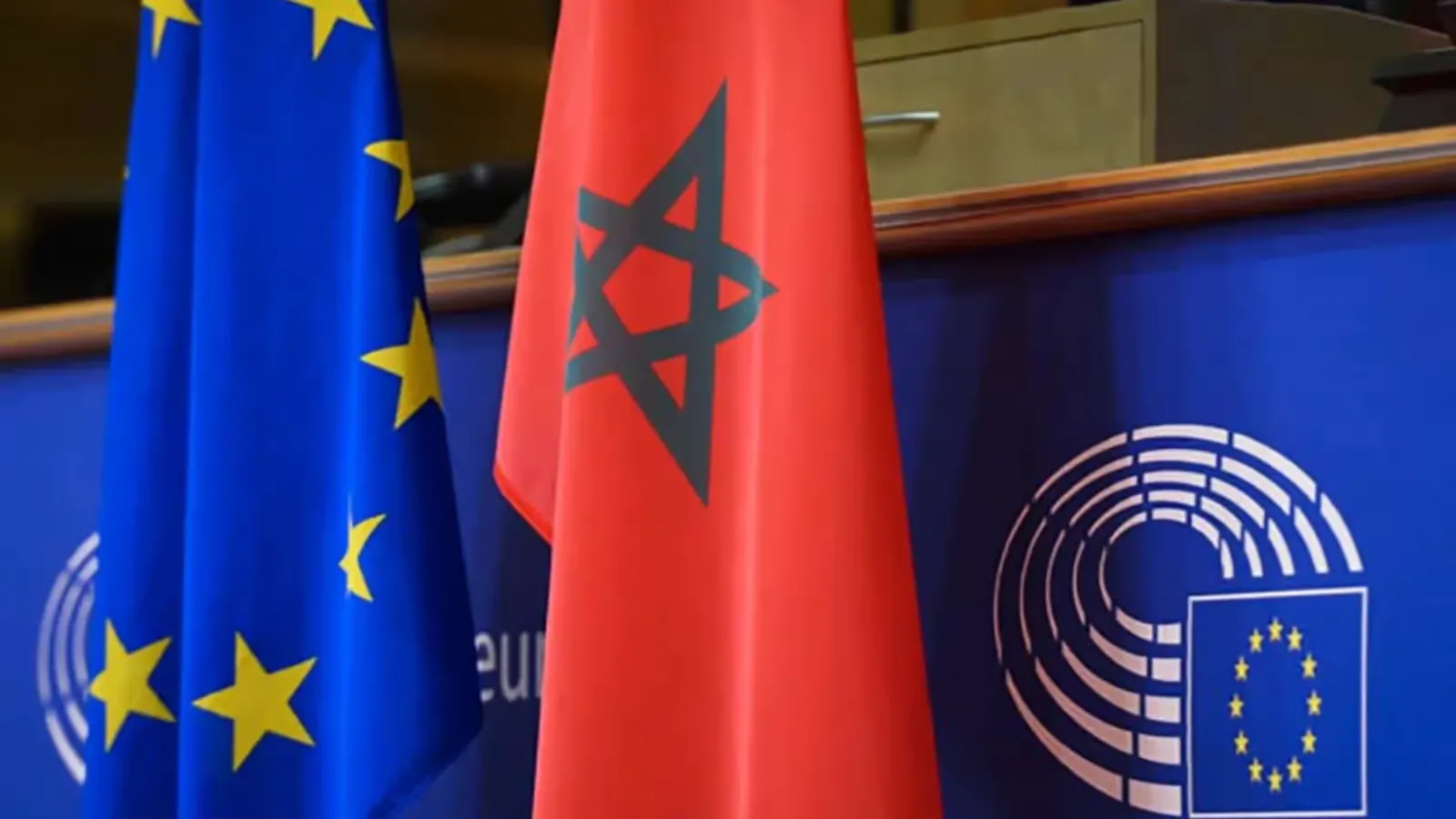
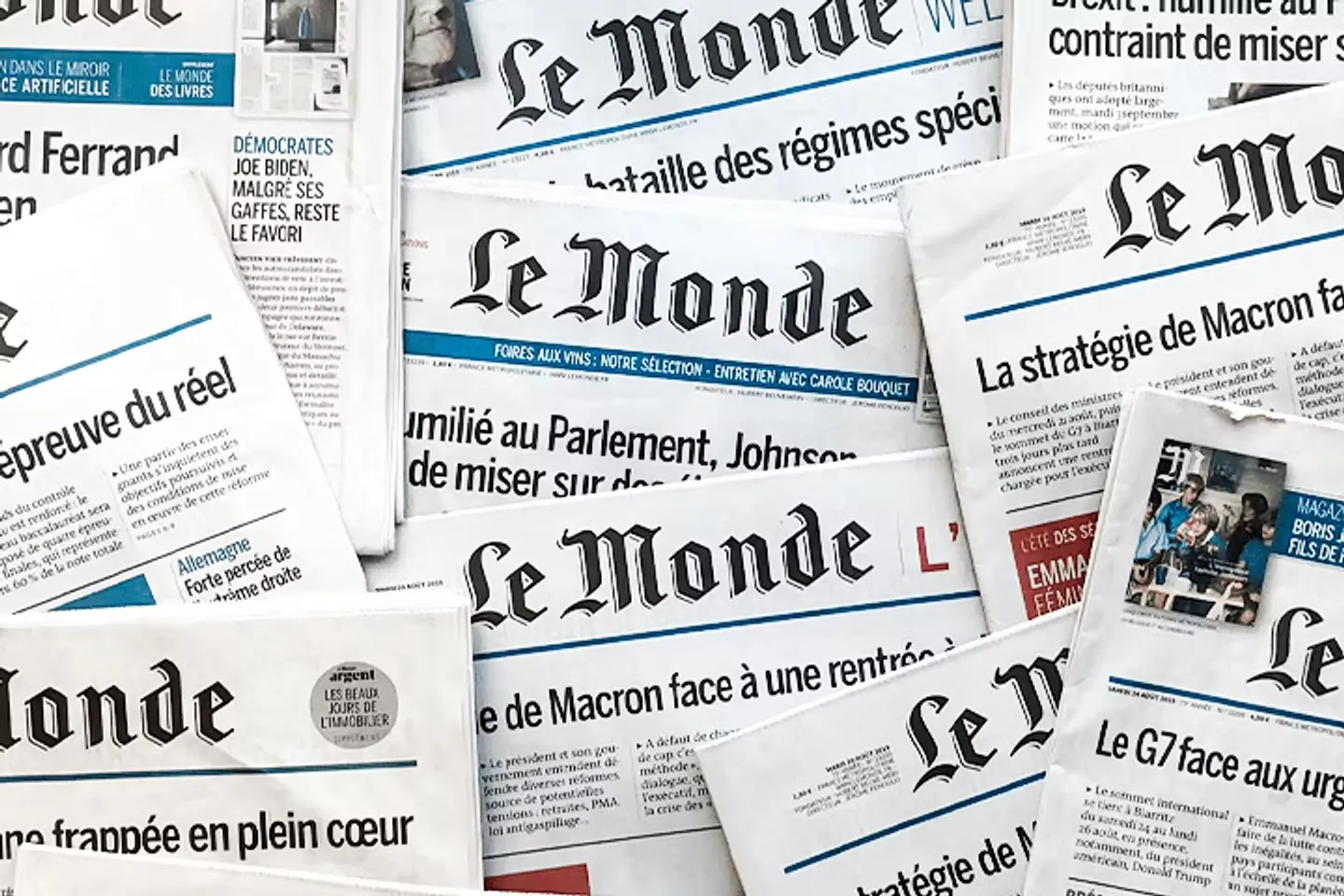
In Paris, there exists a peculiar climate law: every time Franco-Moroccan relations warm up, the newspaper Le Monde seems to open its floodgates. As preparations for a summit unfold, ministers pack their bags, business leaders board planes, and suddenly Rabat transforms into a vast shadow laboratory where air conditioners film, phones listen, and cafés conspire. This peculiar synchrony between diplomatic gestures and media coverage raises questions about the underlying motivations and timing involved.
The latest investigation appears with almost administrative punctuality. Sébastien Lecornu arrives in Morocco accompanied by twelve ministers and a delegation of businesspeople to construct what is presented as an exceptional framework for cooperation. The discussions are focused on energy, industry, security, investments, infrastructure, and a shared future, coinciding with plans for King Mohammed VI’s visit to France. It is precisely at this moment that the extensive dossier on Morocco resurfaces, touching upon secret services, spy software, miniature cameras, and an anonymous former agent turned noir narrator.
Of course, there is no concrete evidence to suggest that the editorial team has synchronized its timeline with that of the French government. To label this as editorial sabotage would be excessive. It suffices to say that, at Le Monde, coincidence seems to possess a remarkable sense of diplomacy. The scenario has become predictable: when Paris and Rabat experience a rift, the newspaper asserts that Morocco has become unapproachable; conversely, when relations improve, it suggests that engaging with Morocco is morally suspect. This narrative places the Kingdom in a paradoxical position – it is deemed guilty during conflicts and even more culpable when relations improve.
Interception and Surveillance: A Question of Legitimacy
The investigation reveals that Moroccan intelligence services are alleged to utilize interception methods, intrusive software, geolocation systems, and covert devices. This astonishing revelation suggests that intelligence operations are indeed conducted in secrecy. However, the crux of the matter lies elsewhere: are these measures being employed legally against genuine threats, or are they being misdirected against journalists, opposition figures, and ordinary citizens? This serious debate necessitates substantial evidence to engage in meaningful discourse.
Yet, the most sensational claims largely hinge on the testimony of an anonymous source. Air conditioners allegedly become cameras, phones are suggested to be infected before purchase, cafés are transformed into listening posts, and telecommunication operators are depicted as invisible allies. While all this may be technically feasible, it is equally plausible to compose a detective novel with mere cables, software names, and a local imitation of James Bond named 'Safir.'
Le Monde takes care to sprinkle its assertions with cautionary language: "according to our source Safir," "asserts that," "claims to have seen." This phrasing is prudent, almost elegant, allowing the newspaper to print accusations in bold while relegating evidence to the footnotes. What remains striking is the lack of comparison. The United States has built a global surveillance architecture exposed by Edward Snowden, China conducts surveillance on an industrial scale, and Israel possesses one of the most sophisticated offensive cyber industries. In these instances, discussions revolve around national security, democratic dilemmas, and the balance between freedoms and protection. However, in the context of Morocco, the vocabulary shifts dramatically. Instead of referring to intelligence capabilities, the term 'arsenal' is used, which carries its own implications even before the facts have been weighed.
This does not imply that Moroccan services should be absolved of responsibility. Any abuse must be documented, investigated, and penalized. Morocco would benefit from enhancing transparency, legal oversight, and the protections offered to its citizens. However, critiques become less credible when they portray a country as a malevolent exception amid powers that supposedly engage in clean, reasonable, and almost hygienic surveillance practices.
The issue, therefore, is not that Le Monde investigates Morocco; that is its prerogative. The problem lies in the persistent impression that these investigations are primarily timed for when Morocco ceases to be isolated, regains influence, or consolidates its alliances. Journalism should never be dictated by diplomacy, yet it should not aspire to act as an unofficial Ministry of Foreign Affairs, tasked with reprimanding governments that grow closer to Rabat. By consistently publishing indictments during periods of Franco-Moroccan rapprochement, Le Monde inadvertently cultivates the very suspicion it seeks to expose: no longer is it a publication observing Morocco, but rather one that struggles with Morocco's progress without its sanction.
As reported by maroc-hebdo.com.