
Significant Solar Energy Initiatives Across the Globe
In the latest developments within the renewable energy sector, Morocco has made significant strides by enabling self-producers to consume their own solar energy while allowing them to sell up to 20% of surplus energy back to the grid. This initiative, effective from June 9, 2026, is a monumental step in promoting solar energy usage and establishing clear tariffs and network limits.
Meanwhile, Ukraine is prioritizing solar energy coupled with storage solutions in its renewable auctions, introducing these systems as a distinct category. This regulatory shift aims to ease barriers for independent storage projects and streamline processes for renewable installations in occupied territories. In Austria, researchers have identified that utilizing only 5% to 16% of the country’s agricultural land for agrivoltaics could unlock an impressive 90 TWh of solar energy potential, showcasing the dual benefits of agriculture and renewable energy.
Global Solar Projects and Market Trends
Australia is backing a project to install rooftop solar and battery systems in remote Samoan communities that currently rely on diesel and wood for energy. This initiative aims to enhance energy accessibility and sustainability in these areas. In Germany, the ongoing geopolitical tensions, particularly involving Iran, have sparked a surge in demand for solar installations, with some companies reporting a doubling of inquiries, although there are still concerns about the seasonal nature of these trends.
Greece is witnessing a significant influx of battery storage applications, receiving requests for 12.15 GW of commercial-scale projects, far exceeding the 4.7 GW that the country plans to approve. The path to construction remains uncertain due to funding challenges and unresolved policy details. In Japan, the government has set new feed-in tariff conditions for small-scale solar systems and announced the completion of large-scale solar feed-in premium auctions after 2026.
Other notable developments include Pakistan's solar market, which is reportedly much larger than official data suggests, with estimates of installed capacity exceeding 24 GW. Additionally, Japan is funding a 130 MW solar project in Tunisia as part of its carbon financing program. India's Ministry of New and Renewable Energy has expanded its solar manufacturing mandate to include wafers and ingots, with compliance required for new project bids starting June 1, 2028.
In South Africa, a 620 MW solar project has achieved financial closure, signaling a robust future for renewable energy in the region. India's photovoltaic module manufacturing capacity has surpassed 210 GW, driven by strong demand and supportive policies. China's new five-year plan emphasizes clean energy as a cornerstone of economic growth, enhancing the integration of renewable systems.
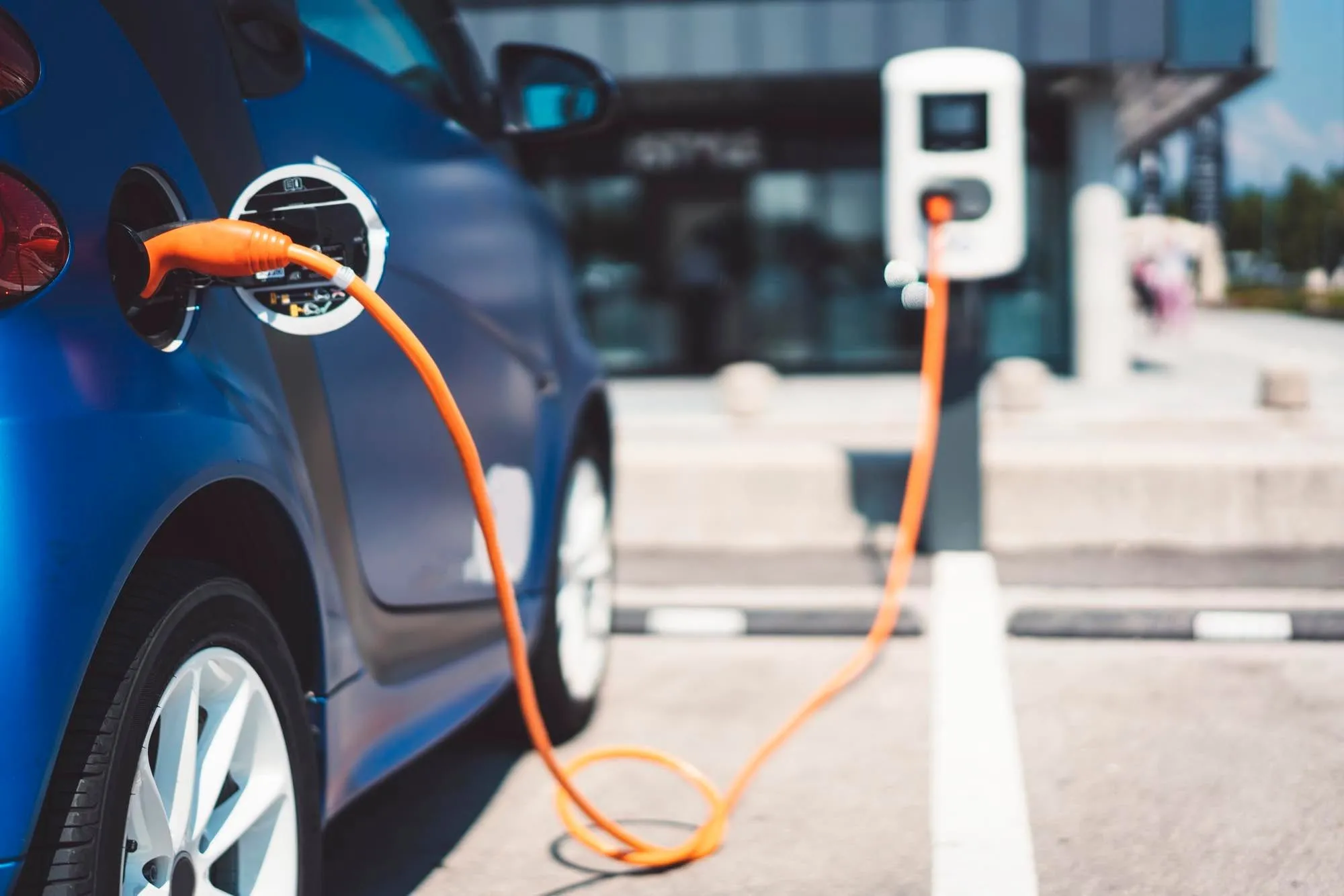
Finally, the UAE has significantly increased its solar capacity to approximately 6.7 GW, with projections for further growth in the coming years. ON Power, an Icelandic utility, has deployed a hybrid solar and storage facility in Reykjavik to support electric vehicle charging infrastructure, underscoring the increasing importance of distributed energy systems in future energy frameworks.
As reported by pv-magazine-mexico.com.