
Modernization of Maritime Links between Morocco and Europe
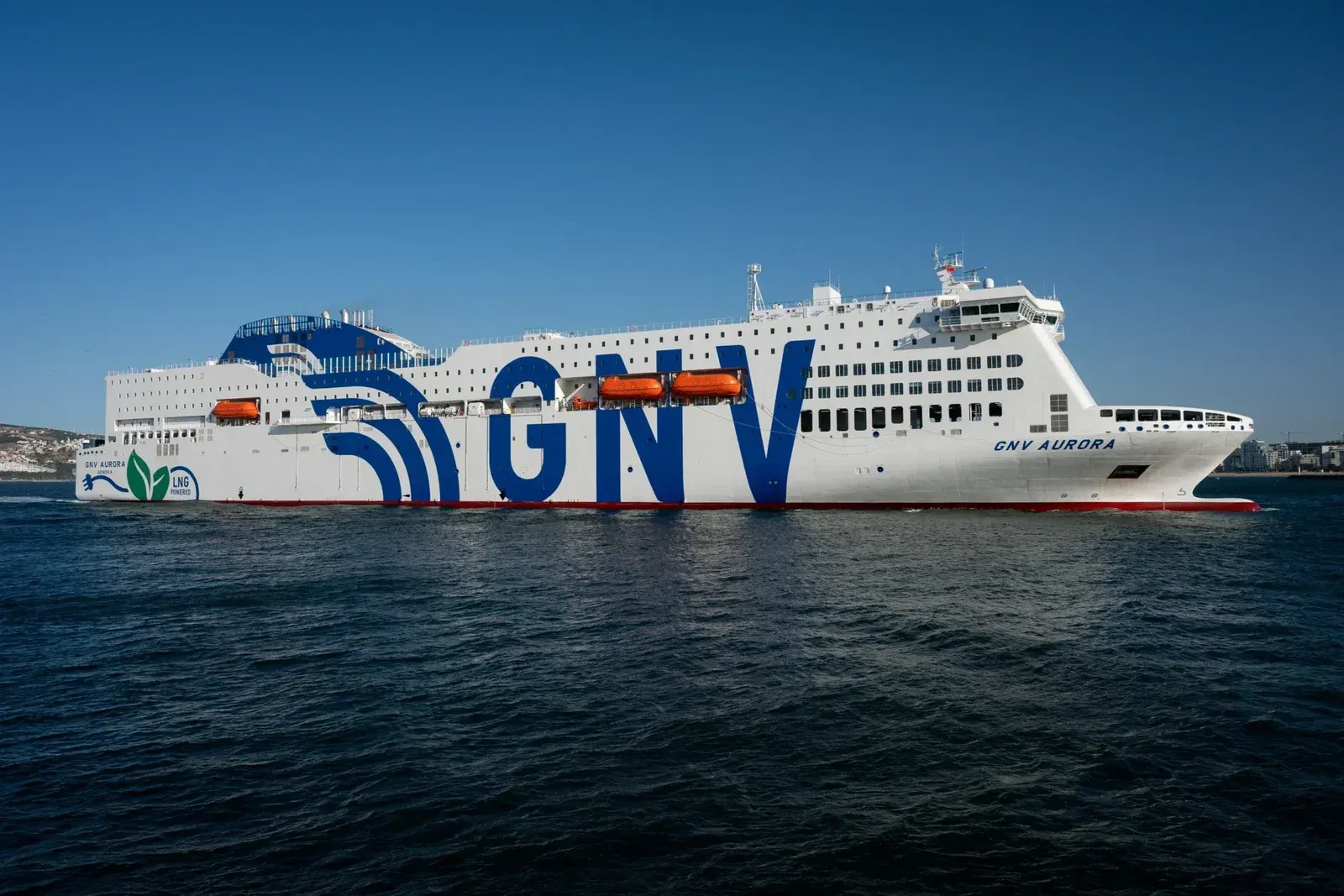
The maritime company GNV, a subsidiary of the MSC Group, has officially announced the launch of two new ferries powered by liquefied natural gas (LNG) as part of its ambitious fleet modernization program, which is projected to cost around €1.3 billion. The newly introduced vessels, named GNV Aurora and GNV Virgo, are set to operate on the vital route connecting Morocco with Spain and Italy, specifically along the Tanger Med–Barcelona–Genoa corridor, starting in June and July 2026. This significant upgrade in maritime transport will enhance connectivity and convenience for travelers between these regions.
The announcement was made during a ceremonial event held at the port of Tanger Ville, attended by officials from Morocco and Italy, alongside leaders from the MSC Group. The GNV Aurora represents the second vessel in GNV's fleet to be powered by LNG, reflecting the company’s ongoing commitment to modernizing its operations. This modernization initiative aims to integrate several more ferries into the fleet by the year 2030, thereby boosting both capacity and service quality.
Impact on Tourism and Trade
The introduction of these ferries coincides with the upcoming summer season and the annual Marhaba operation, which facilitates the movement of millions of Moroccans living abroad as they travel between Europe and their homeland. GNV's data indicates that nearly six million passengers have been transported between Morocco and Europe since the company's establishment in the kingdom nearly two decades ago, with over 465,000 travelers utilizing its Moroccan routes in 2025 alone. This surge in passenger numbers underscores the increasing significance of the Moroccan market in the operations of this maritime carrier.
GNV anticipates that enhancing transport capacity will not only cater to the growing demand for passenger travel but also support the expansion of tourism and trade flows between the two Mediterranean shores in the coming years. The strategic deployment of these ferries will further solidify Barcelona's role as a key hub for connections between Morocco and the broader Mediterranean network, while Genoa will serve as the main LNG refueling port for these vessels.
On an environmental front, GNV emphasizes its commitment to sustainability through the use of liquefied natural gas as a transitional fuel, as well as the integration of advanced technologies aimed at improving the energy efficiency of its ships. The GNV Aurora, for instance, is equipped with systems designed to significantly reduce pollutant emissions, meeting the highest international environmental standards in the maritime industry.
Boasting a capacity of 1,700 passengers and 2,780 linear meters of freight, the GNV Aurora exemplifies the maritime operators' efforts to simultaneously meet the rising demand for passenger and cargo transport between Europe and North Africa. This enhancement in infrastructure and transport capacities occurs against the backdrop of increasing economic exchanges between Morocco and its European partners, as well as the upcoming organization of the 2030 World Cup by Morocco, Spain, and Portugal, an event likely to further elevate mobility needs within the Mediterranean region.
As reported by lapresse.tn.