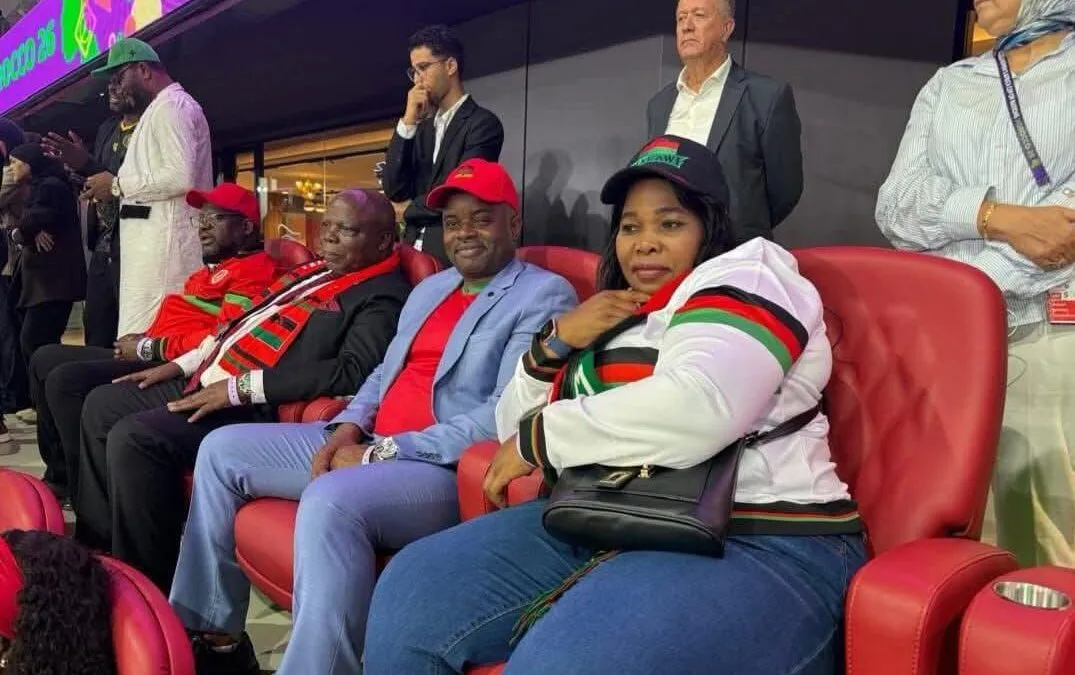

Serious concerns are emerging regarding the Mutharika administration's alleged dedication to austerity measures, particularly following revelations that over ten Cabinet ministers and senior officials traveled to Morocco to witness the national football team's participation in the WAFCON final. This extravagant journey comes at a time when the citizens of Malawi are being urged to prepare for further economic tightening, raising questions about the government's commitment to fiscal responsibility.
The high-profile delegation's arrival in Rabat to celebrate the Scorchers' historic achievement has sparked significant public outrage, especially considering the financial implications for taxpayers. Critics are questioning the alignment of such lavish travel with President Arthur Peter Mutharika's widely publicized austerity initiatives. Notable figures on the trip included Information Minister Shadreck Namalomba, Gender Minister Mary Navicha, and Sports Minister Alfred Gangata, along with Secretary to the President and Cabinet, Dr. Justin Saidi.
The sheer magnitude of this taxpayer-funded excursion has raised eyebrows, particularly as the Mutharika government has consistently urged officials to reduce unnecessary expenditures and adhere to strict financial discipline. Observers are left to ponder a critical question: if austerity is genuinely a priority, what justifies the presence of so many senior officials at a single sporting event?
While it is universally acknowledged that the Scorchers' remarkable journey to the WAFCON final merits celebration and that the government has the right to support its national team, dissenters argue that genuine support does not necessitate an entire delegation of ministers traveling to North Africa.
The controversy, therefore, transcends the realm of sports and delves into how the government allocates public funds while simultaneously imposing economic sacrifices on everyday citizens. With many households in Malawi already facing the brunt of rising costs and diminishing incomes, the optics of a ministerial trip abroad are particularly severe. This situation presents a crucial test of whether austerity measures are applicable to everyone or merely to those without access to the Cabinet's privileges.
Furthermore, the government has yet to disclose comprehensive details regarding the trip, including the size of the delegation, total expenses, who financed the flights and accommodations, and whether any public funds were utilized. The lack of transparency is likely to exacerbate public skepticism regarding the applicability of the economic sacrifices demanded of ordinary Malawians, which seemingly do not extend to those in positions of power.
This ongoing saga has evolved into a matter of significant importance for the Mutharika administration, transcending the simple celebration of football. It touches upon the fundamental issues of governmental credibility and accountability. As it stands, if leaders are demanding that the nation tighten its belt, the expectation is that those in leadership roles should lead by example and be the first to make sacrifices.
As reported by nyasatimes.com.