
Comprehensive Action Plan for Road Rehabilitation
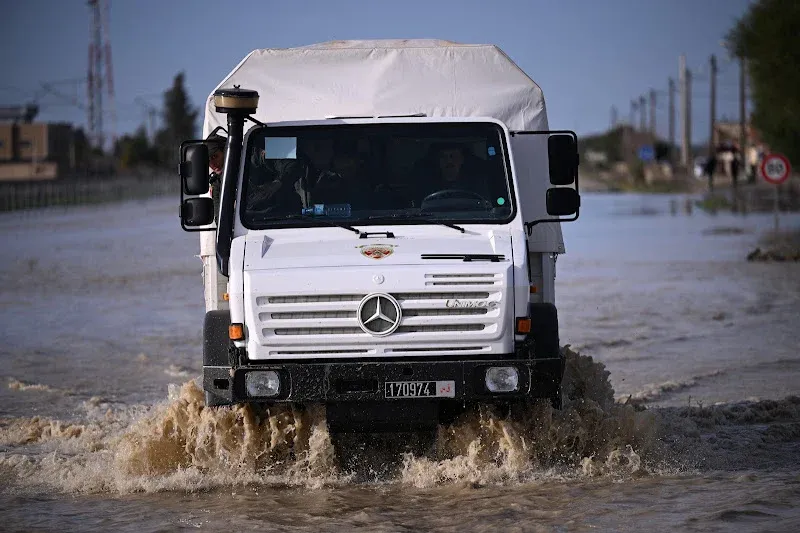
The Moroccan Minister of Equipment and Water, Nizar Baraka, has announced a pivotal initiative in response to the recent flooding that has affected various regions of the country. A substantial program, amounting to 3 billion dirhams (approximately $300 million), has been developed to rehabilitate roads impacted by these natural disasters. Notably, 1.5 billion dirhams of this budget is specifically allocated for road repairs. Baraka emphasized that this program is inclusive of all regions suffering from flood damage, extending beyond the most severely affected areas such as Chefchaouen, Taounate, and Taza.
During a public session dedicated to addressing questions from parliament members, Baraka detailed the collaborative efforts being made with the Ministry of Interior and local authorities. This cooperation is crucial given the significant damage inflicted on numerous road segments. He revealed that starting this month, the ministry will begin issuing calls for proposals to initiate the repair of these roads in the affected regions, including Tetouan.
Focus on Infrastructure Development and Investment
Baraka highlighted that a specialized program exists specifically for the rehabilitation of roads that have suffered due to the floods. Furthermore, he stated that 47% of the road budget is allocated to maintenance activities, with 500 kilometers of rural roads benefiting from these maintenance efforts, marking a new initiative under the current government. Simultaneously, the minister underscored the importance of repairing and enhancing various infrastructure facilities that have been damaged by the floods. A significant list of these facilities has been compiled for future upgrades and improvements.
The minister communicated that efforts are underway to strengthen these road networks, particularly by improving connectivity between regions and provinces. This includes ongoing projects related to highways. For instance, the completion of the highway linking Berrechid to Tétouan is a testament to the government's commitment, as is the current work on the highway connecting Safi to Nador, aiming to facilitate access to the Nador West Med Port.
Moreover, Baraka discussed the construction of the continental highway between Rabat and Casablanca, which stretches over 59 kilometers, alongside ongoing studies concerning several highway segments throughout the country. He also pointed out that to combat regional isolation, the new investment charter emphasizes the need to enhance road connectivity, expand networks, and create new dual carriageway roads to stimulate investment across various provinces.
In this context, the minister mentioned the completion of the highway linking Tiznit to Dakhla and the ongoing extension to reach Karakrat as part of a second phase. He noted significant progress on the bridge over the Wadi Sakia al-Hamra, which is crucial for regional development. Baraka also referenced the Fes-Taounate highway via National Road No. 8, and the highway between Tetouan and Chefchaouen, where work has commenced on a 5.5-kilometer segment. Other important projects include highways connecting Hajeb to Ifrane, Sidi Yahya to Sidi Qasim, and Safi to Marrakech, further enhancing regional connectivity.
Additionally, in collaboration with local authorities, the Minister of Equipment has identified several key projects aimed at developing road networks and classified roads. He emphasized the introduction of a new dimension involving the ministry's intervention in rural roads through partnerships with regional councils. This concerted effort aims to address the urgent need for road improvements and infrastructure resilience in the face of natural disasters.
As reported by hespress.com.