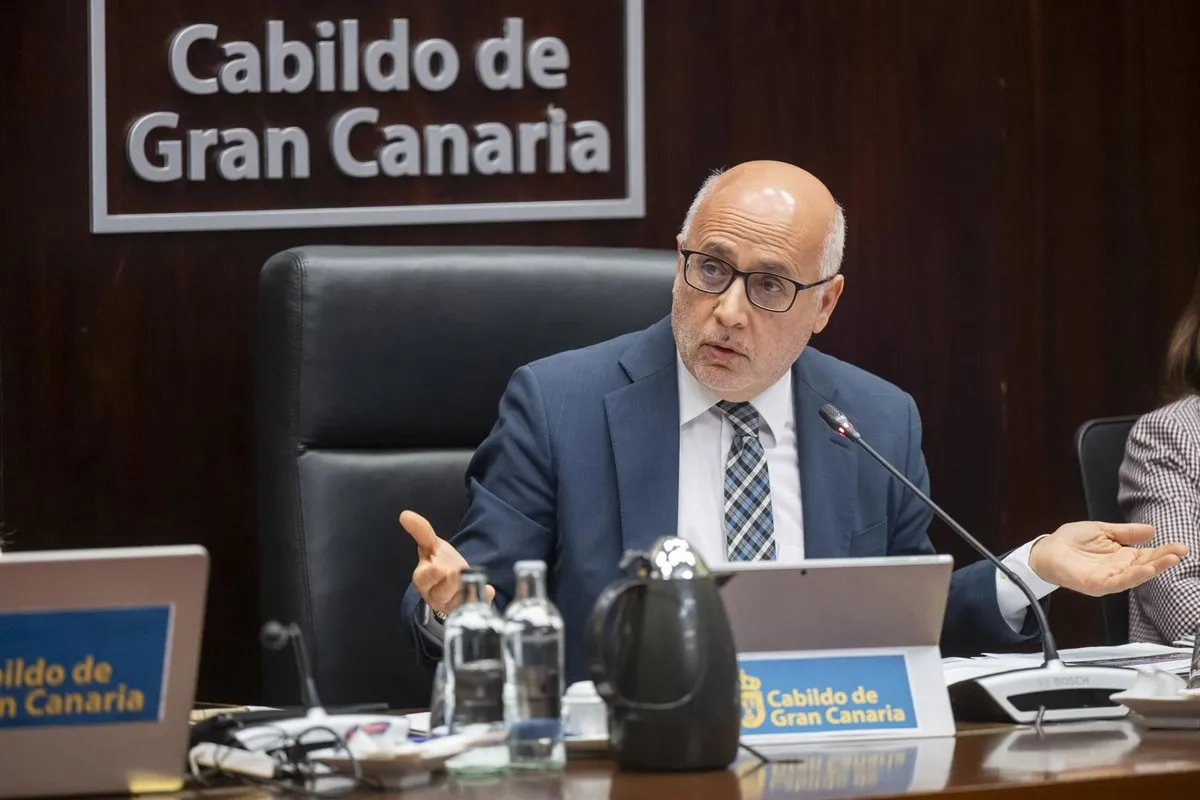

The President of the Gran Canaria Cabildo, Antonio Morales, has issued a stark warning regarding the recent events in Ceuta, which he believes are indicative of a strategic pressure campaign by Morocco that poses a direct threat to the economic, territorial, and geopolitical interests of the Canary Islands. In a statement released on Monday, Morales emphasized the need for a robust response from both Spanish and European institutions to prevent this pressure from extending to the archipelago. He stated, “Today it is Ceuta; tomorrow, if we do not act, it could be the Canary Islands.” This comment highlights the potential consequences of Morocco’s growing political, economic, and military influence.
Morales’s remarks were framed against the backdrop of the serious incidents that occurred at the end of July in Ceuta, alongside the renewed tensions experienced at the border in recent days. He insists that these events should not be viewed solely through the lens of migration but rather within a broader geopolitical context. “I am not only talking about migratory pressure. I am referring to something I have been warning about for months—the emboldenment of Morocco and its direct consequences on the sovereignty and strategic interests of our archipelago,” he asserted.
Furthermore, Morales highlighted Morocco's response to various incidents in Ceuta, pointing out that the neighboring country demonstrated strict control over its maritime and land borders following the crisis reported at the end of July. This control was evident during the social media-driven attempts to access the city on August 15. The president believes this behavior illustrates Morocco's capability to manipulate migratory pressure as a political tool, stating, “They open or close access at their convenience.”
Strategic Developments and Concerns
Additionally, Morales drew attention to the development of the Dakhla port in Western Sahara, an infrastructure project valued at approximately 1.3 billion euros designed to become a significant logistical hub in the Atlantic and compete with other regional port facilities. He recalled having raised concerns about this issue back in December 2025, when he questioned initiatives aimed at promoting Canary Islands investment in Dakhla, arguing that the Canary Islands should not contribute to the development of infrastructures that would ultimately compete with its own ports. “We cannot turn a blind eye to those who, from Canary institutions or business associations, encourage investment in sectors that compete with our economy,” he stated.
Moreover, Morales underscored the critical importance of Monte Tropic, a submarine volcano located southwest of El Hierro, which contains significant reserves of tellurium, cobalt, nickel, and rare earth elements—resources deemed essential for energy and technological transition. He also mentioned the airspace over Western Sahara, which is managed from Gran Canaria through the FIR/UIR Canarias, warning that Morocco has effectively increased its management capacity over part of this airspace, particularly through exclusion zones related to military exercises. “Ceding that control would equate to relinquishing, in the skies, the same strategic position we defend at sea and in our ports,” remarked Morales.
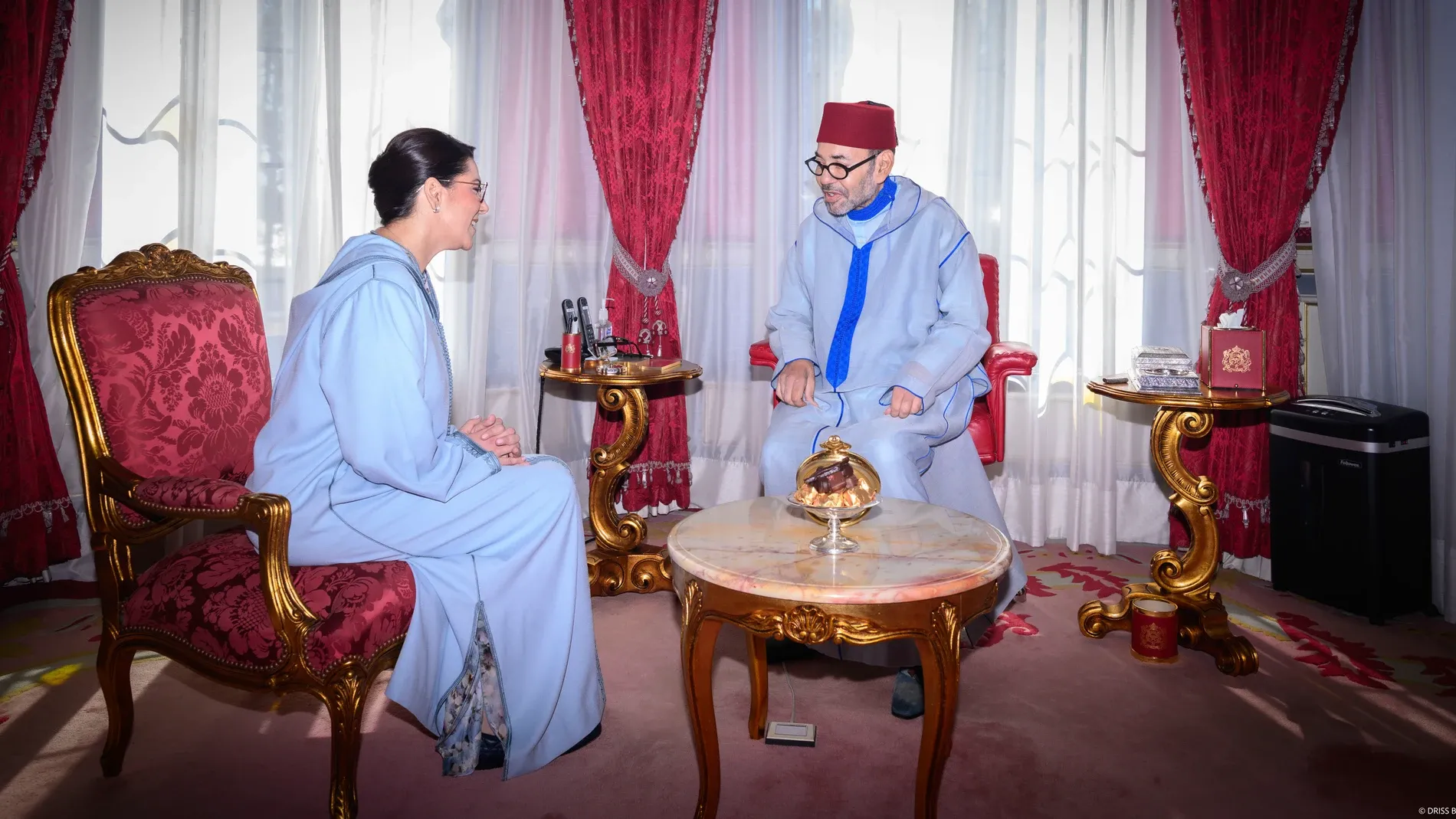
He contextualized these actions within an international framework where Morocco has significantly strengthened its position, thanks to support from the United States and its strategic military alliance with Israel. He pointed out the rise in Morocco’s military spending, the integration of new defense technologies, and the development of facilities like the African Multidomain Training and Experimentation Center (AMTEC) in Tan-Tan, located about 200 kilometers from Lanzarote. In conclusion, Morales reiterated that the recent events in Ceuta underscore the urgent need for Spain and Europe to articulate a clear stance towards Morocco, particularly concerning issues that may jeopardize the strategic interests of the Canary Islands. “Defending the Port of La Luz and Las Palmas, our strategic position in the Atlantic, and demanding coherence from the State and the European Union between principles and decisions is not an ideological question; it is an institutional obligation for those of us who must safeguard the economic and political future of the Canary Islands,” he concluded.
As reported by europapress.es.