
Significant Paleontological Discovery in Eastern Morocco
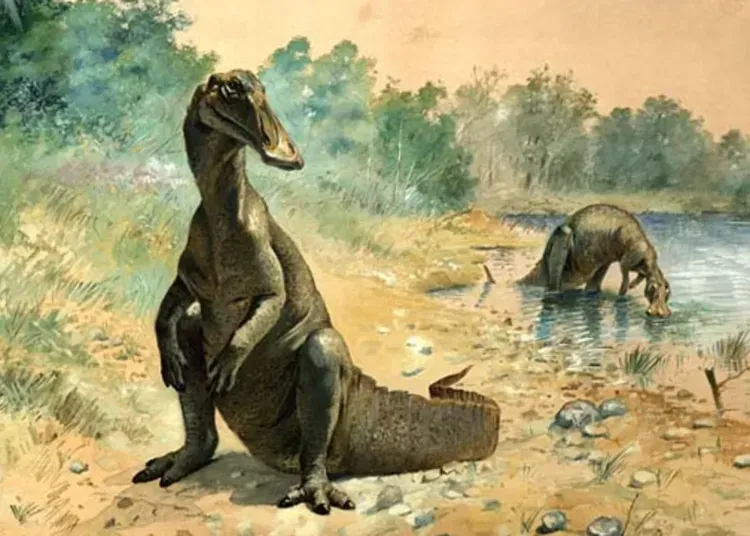
A remarkable achievement in the field of paleontology has emerged from a team of researchers at Mohammed I University in Oujda, Morocco. Collaborating with international experts, they have successfully uncovered the skeletal remains of an unprecedented dinosaur species in the Eastern Region of Morocco. This significant discovery was made in the Tendrara area, and it highlights the region's historic role as a habitat for colossal prehistoric creatures that roamed the Earth over 100 million years ago.
This groundbreaking find is the result of years of careful excavation and research. The dedicated team has employed advanced scientific techniques to meticulously extract and preserve the fossilized bones. A source from the faculty commented on the importance of the discovery, saying, "This finding is unprecedented for the region. It reflects the rich fossil heritage of Eastern Morocco—an area that continues to hold untapped secrets regarding the history of life on Earth." The analysis of the skeletal remains has indicated that they belong to a herbivorous dinosaur, a significant addition to the existing knowledge of plant-eating species that once roamed the ancient Moroccan landscape.
In-Depth Research and Future Prospects
To further understand this fascinating find, the research team is implementing a sophisticated, multi-faceted approach. This encompasses the precise reconstruction of the dinosaur's skeleton utilizing advanced 3D scanning technology, as well as specialized laboratory techniques to carefully reassemble the fragile bones. Additionally, the researchers are conducting a comprehensive comparative study focused on bone density and physiological traits, which will aid in accurately positioning the species within the broader dinosaur family tree.
Moreover, environmental mapping is being conducted by examining surrounding sediment, allowing the team to gather crucial insights into the climate and flora prevalent during the Cretaceous period. Professor Lahbib Boudchiche, the lead researcher on the project, emphasized the monumental nature of this discovery while noting that scientific work is still ongoing. "The research is currently in the analysis and formal study phase," Boudchiche stated, indicating that the final findings and specific characteristics of the dinosaur will soon be prepared for international scientific publication.
Upon completion of the research and reconstruction phases, the skeleton is expected to become a centerpiece exhibit at the University Museum of Archaeology and Heritage in Oujda. This exhibit will provide an exceptional opportunity for students, researchers, and the public to gain insights into a natural history that predates humanity by millions of years.
As reported by moroccoworldnews.com.