
Morocco's Desert Tourism Blossoms Ahead of FIFA World Cup 2030
As Morocco gears up for the much-anticipated FIFA World Cup in 2030, the tourism sector is witnessing a significant surge in demand for private guided desert expeditions and cultural immersion tours. This trend is particularly prominent in the Sahara Desert regions, where international visitors are flocking to experience the unique charm of Morocco beyond its coastal and imperial cities. Notably, local tour operators such as Morocco Countryside Tours are reporting an increasing interest in multi-day desert adventures led by skilled Berber guides, a clear indication of travelers' desire for authentic and engaging experiences within the country's interior.
In 2024, Morocco's tourism sector welcomed a record-breaking 17.4 million visitors, reflecting a remarkable 20 percent increase from the previous year, as per data from the Ministry of Tourism. The Moroccan government has ambitious plans to attract 35 million foreign visitors annually by 2030, a target that aligns with substantial investments in infrastructure, including new airport terminals in major cities like Casablanca and Marrakech, an extensive rail network through the Al Boraq, and a massive hotel development initiative valued at approximately $4 billion. This strategic focus has resulted in tourism revenue reaching around $10.5 billion in 2024, highlighting not only the growing number of visitors but also increased spending per visitor.
Innovative and Customized Travel Experiences
According to Said, the founder and head guide of Morocco Countryside Tours, the interest in private desert experiences has evolved significantly. Travelers are increasingly opting for extended itineraries that encompass the breathtaking Erg Chebbi sand dunes, majestic Atlas Mountains, and historic kasbah routes, rather than just the traditional short camel treks. The company offers a variety of private guided tours starting from key cities such as Fes, Marrakech, Casablanca, Tangier, Agadir, and Erg Chebbi, with options ranging from two to seventeen days. Each tour is enriched by the presence of knowledgeable Berber guides who provide invaluable historical and cultural insights at various archaeological sites, mountain passes, and desert camps. In response to soaring demand, the company has expanded its departure cities over the last two years to include Agadir and Casablanca, catering to an increasing number of travelers arriving through these international hubs.
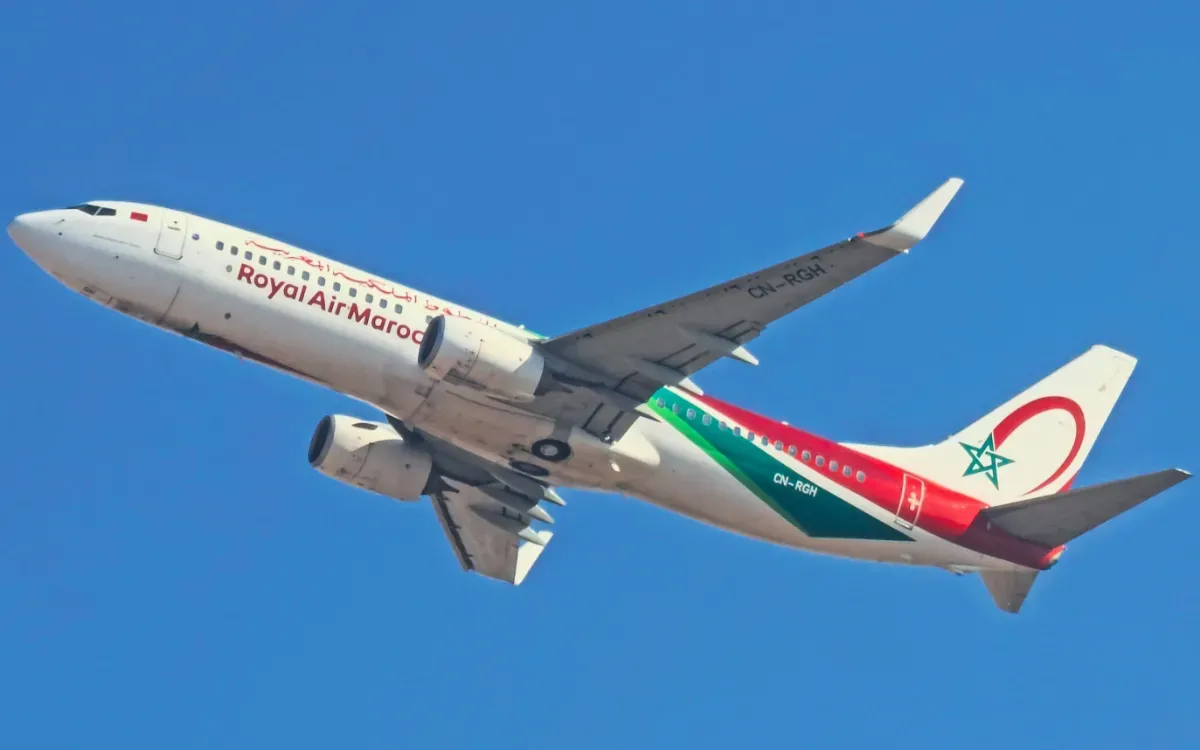
The ongoing preparations for the 2030 World Cup are set to enhance road connectivity, linking southern regions to the national highway network, which will facilitate better access to desert gateway towns like Merzouga and Zagora. The national tourist office has initiated targeted marketing campaigns aimed at promoting the Sahara and pre-Saharan regions to international travelers, specifically focusing on North America and Asia. Notably, visitor arrivals from the United States surged by approximately 35 percent in 2024 compared to the previous year. Furthermore, the construction of new terminals at key airports, including Casablanca's Mohammed V International Airport and Marrakech Menara Airport, is expected to significantly boost air traffic for long-haul routes into southern Morocco.
The combination of enhanced infrastructure and growing global awareness of Morocco's interior regions is anticipated to support continued growth in diverse multi-region itineraries that seamlessly blend Saharan destinations with coastal and mountainous attractions. With Morocco's appeal as a year-round destination, characterized by mild winter temperatures in the desert and cooler summer conditions along the Atlantic coast, the Sahara tourism sector is poised to thrive throughout all seasons. The development of improved highway and rail links connecting coastal areas to the interior has made it increasingly feasible for travelers to experience both desert adventures and visits to iconic imperial cities such as Fes and Marrakech within a single travel itinerary.
The rising interest in Berber-led cultural tourism exemplifies a broader trend among international travelers who seek experiences that foster direct engagement with local communities and guides. Private tour operators offering tailored itineraries for small groups or individuals have observed a steady demand, as visitors increasingly favor flexible schedules and personalized routes over conventional fixed-group tours. Morocco's tourism authorities have recognized that the Sahara and pre-Saharan regions are becoming an integral part of the country's cultural tourism segment, bolstered by the expansion of accommodations and guiding services in areas like Erg Chebbi and the Dades Valley.
As reported by markets.financialcontent.com.