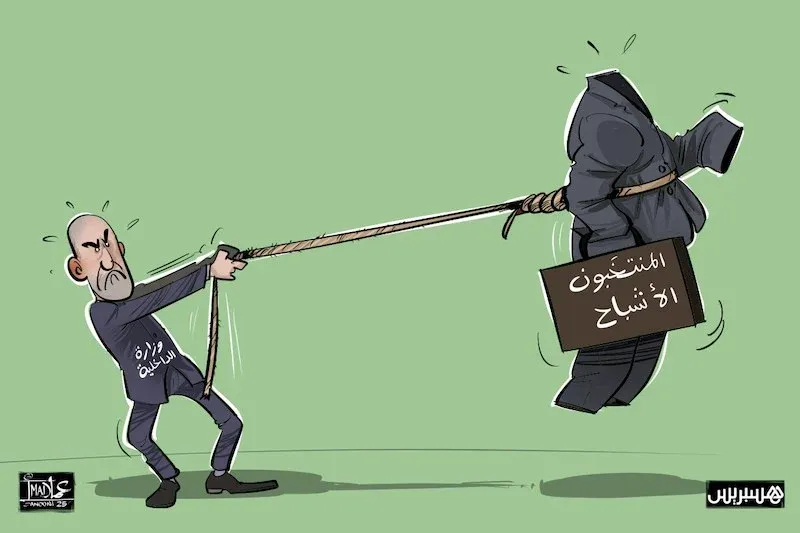
New Directives from the Interior Ministry
The central authorities within Morocco's Ministry of Interior have issued new directives aimed at governors and local officials, focusing on intensifying the monitoring of so-called "phantom" local elected officials. This includes individuals who have been residing predominantly outside the country while continuing to receive compensation for roles they have not fulfilled, as indicated by informed sources to Hespress. These directives are part of the implementation of the regulatory framework governing local councils, particularly Article 67, which mandates the dismissal of members who are absent from three consecutive council sessions or five intermittent sessions without a legal justification.
According to the same sources, regional governors are required to submit reports detailing the outcomes of previous mandates that compelled local council heads to compile accurate lists of absent officials, categorizing their absences along with the nature of the excuses provided. This includes assessing the frequency of accountability measures and the enforcement of legal and punitive actions against those who are chronically absent.
Addressing Absenteeism and Mismanagement
Reports have highlighted a concerning increase in unjustified absenteeism among various local and regional councils, resulting in repeated difficulties in achieving quorum for both regular and extraordinary sessions since the start of the current year. Some council heads have shown leniency in applying suspension and dismissal procedures, citing political and party considerations. Furthermore, irregularities have been observed where certain officials continue to receive monthly compensation despite their prolonged absence from council meetings and related committees, with instances of vice-presidents missing all sessions for years while consistently benefiting from these compensations.
Additionally, there have been recorded cases of officials permanently residing abroad, yet they still manage to receive payments linked to responsibilities they have never undertaken. Reports also indicate an increased reliance on medical certificates as a pretext for absence, often without thorough verification or the implementation of counter-medical examination procedures, leading to potential misuse. Consequently, the Ministry of Interior has emphasized the necessity of verifying the authenticity of these medical documents and linking them to precise administrative procedures.
On a financial management level, the data outlined in the Ministry's reports point to irregularities in the disbursement of questionable compensations, including monthly payments and travel allowances, which have directly impacted the budgets of local councils. Regional governors have been directed to demand comprehensive accounting documents and disbursement orders to subject them to meticulous audits, with the aim of instituting necessary penalties.
The Ministry's actions reflect a commitment to tightening oversight on local governance and ensuring accountability, especially in light of increasing complaints from within councils, particularly from opposition groups, regarding the prevalence of unexplained absenteeism and the continued disbursement of unjustified compensations. This raises significant challenges to the integrity of public life and the credibility of elected institutions.
Moreover, these central directives extend to inquiries directed at local council heads concerning violations in managing attendance and absenteeism records, as well as the failure to address matters related to the dismissal of elected officials who meet the criteria for disqualification. Such issues represent a breach of the regulatory framework. The sources also confirmed that these inquiries would extend to the employment of "phantom temporary workers," often relatives of elected officials, raising serious governance questions within local councils.
As reported by hespress.com.