Clarification on CAN 1976 Controversy
The Guinea Football Federation (FGF) has recently taken a firm stand to dispel rumors regarding a supposed legal action against Morocco concerning the African Cup of Nations (CAN) 1976. In an official statement, the governing body of Guinean football clarified that it has not initiated any legal proceedings with either the Court of Arbitration for Sport (CAS) or the African Football Confederation (CAF). The FGF emphasized that the reports circulating in certain media outlets are based on misinterpretations and incorrectly suggest that Guinea is seeking to contest the outcome of the match played against Morocco during the 1976 CAN.
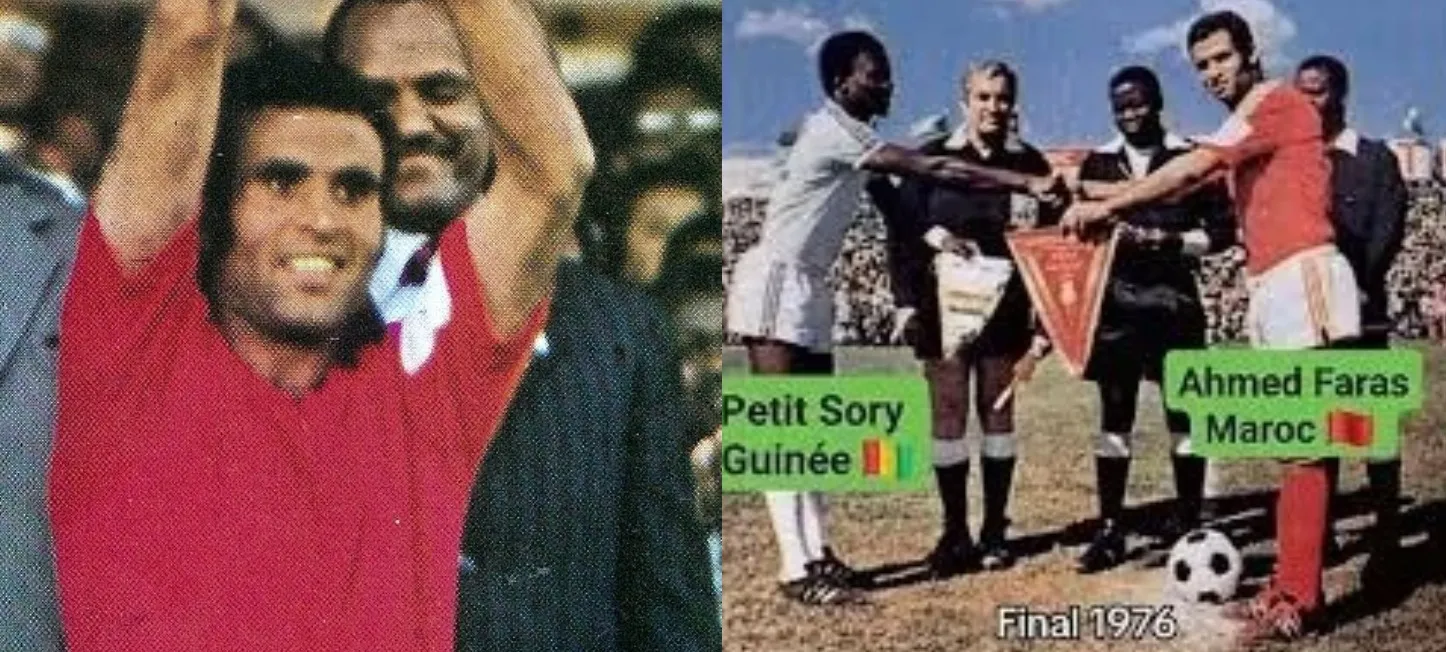
The FGF categorically rejected this assumption, asserting that no formal steps have been taken in this direction. To support its stance, the Federation recalled the historical context of the match in question, which took place on March 14, 1976, in Addis Ababa as part of the tournament's final stage. During this match, Guinea's Chérif Souleymane scored first, only for Ahmed Makrouh to equalize for Morocco. Notably, the CAN 1976 was structured differently than contemporary tournaments, lacking a traditional knockout format and rather featuring a final group stage.
Historical Context and Current Implications
Consequently, Morocco emerged as the champion after finishing atop the final group standings, a fact that the FGF asserts should not be open to dispute given the regulations in place at the time. In its statement, the FGF also underscored the importance of preserving the integrity of sports history and relying on thoroughly verified facts. The Federation urged media and observers to act responsibly when reporting on such matters to prevent unnecessary confusion or controversy surrounding historical events.
This clarification comes at a time of heightened tensions within African football. The CAF is currently grappling with another significant controversy involving the CAN 2025. Although Senegal won the tournament on the field, the title was controversially awarded to Morocco following a disciplinary decision, creating a rift between Dakar and Rabat and prompting an appeal to the Court of Arbitration for Sport in Switzerland.
As reported by senenews.com.