
A Triumvirate of Support for Morocco's Sovereignty
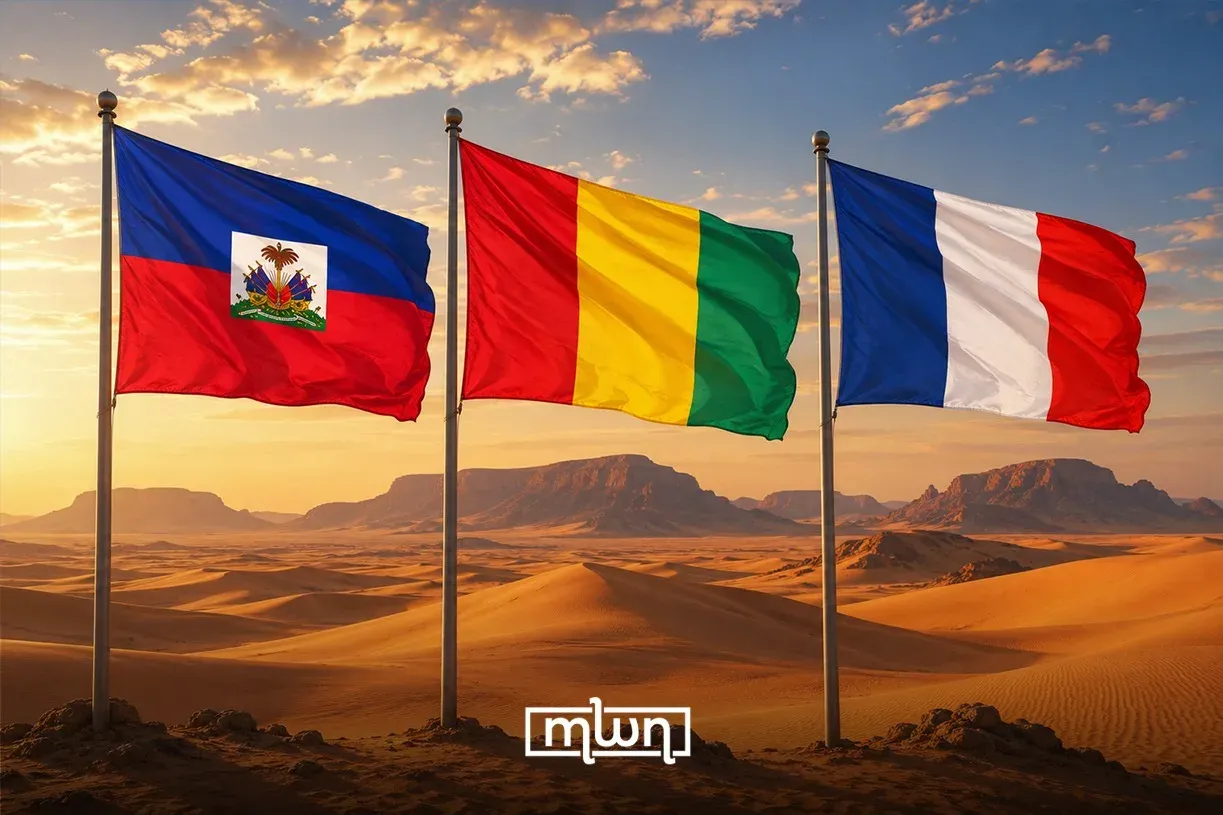
The Western Sahara issue has long been a critical measure for Morocco, serving as a lens through which the nation evaluates the authenticity and depth of its international partnerships. Recently, this matter gained renewed prominence as Haiti, Guinea, and France collectively voiced their unwavering support for Morocco's claim to the Sahara during the 2nd Ministerial Conference on Peacekeeping in Francophone Environments. This momentous occasion saw representatives from these three nations convene in Rabat, delivering synchronized declarations that underscored the irreversible momentum in favor of Morocco’s territorial integrity.
Co-chaired by Morocco’s Foreign Minister Nasser Bourita and his French counterpart Jean-Noël Barrot, the conference brought together over 60 delegations, including 26 at the ministerial level, in collaboration with the United Nations and the Organisation Internationale de la Francophonie (OIF). While the primary focus of the summit was the reform of UN peacekeeping mandates, the diplomatic discussions facilitated a vital platform for affirming Morocco’s position regarding the Sahara.
Concrete Endorsements from Haiti, Guinea, and France
During the conference, Haiti’s Minister of Foreign Affairs and Worship articulated a comprehensive endorsement of Morocco’s stance, reaffirming the nation’s commitment to Morocco's territorial integrity and sovereignty, specifically regarding the Sahara region. The Haitian official declared the Autonomy Plan as the only feasible and realistic solution to the ongoing regional dispute, echoing the sentiments expressed in UN Security Council Resolution 2797, which recognizes Morocco’s plan as a credible foundation for a political resolution.
Guinea’s Minister of Foreign Affairs, Morissanda Kouyaté, also made it clear that Conakry’s support for Morocco remains unwavering and steadfast. He reaffirmed Guinea’s position, stating that the nation has consistently supported Morocco's sovereignty over its entire territory, including the Sahara. Kouyaté lauded the adoption of Resolution 2797 as a significant milestone that reinforces Morocco’s initiative within the context of its sovereignty, highlighting the growing international consensus fostered by King Mohammed VI’s diplomatic efforts.
On the French front, Barrot expanded upon President Emmanuel Macron’s previously articulated position, emphasizing that the future of the Sahara aligns with Moroccan sovereignty. He outlined specific measures that France intends to implement, such as enhancing consular presence, establishing a visa application center, inaugurating an Alliance Française in Laâyoune, and promoting French private investment in the region through the Agence Française de Développement (AFD). Barrot’s remarks reinforced the notion that Resolution 2797 aligns with these initiatives, promoting direct dialogue among all involved parties based on the Autonomy Plan.
The emphatic affirmations from Haiti, Guinea, and France collectively serve as a potent reminder of Morocco's advancing diplomatic standing regarding the Sahara issue. As the international community consolidates its recognition of Moroccan sovereignty, it appears that the momentum behind Morocco’s position is only set to grow stronger.
As reported by moroccoworldnews.com.