
Increased Security at Ceuta Border Following Migrant Surge
In response to a surge in migrant crossings at the Ceuta border with Morocco, Spain and Morocco have significantly ramped up security measures. The recent events at the end of July, which saw an influx of up to 80,000 migrants attempting to enter Ceuta, have prompted both nations to prepare against potential new attempts of illegal border crossings, especially as calls for mass crossings circulate on social media ahead of the upcoming weekend. According to reports from a dpa journalist on-site, the border crossing remained calm in the morning hours, a sentiment echoed by the state broadcaster RTVE and other Spanish media outlets operating in the enclave.
Spanish Interior Minister Fernando Grande-Marlaska reiterated that the massive arrival of migrants in July was an 'extraordinary' incident that should not be repeated. Recently, Moroccan authorities announced the arrest of a group suspected of inciting further illegal entry attempts into the Spanish enclaves of Ceuta and Melilla. Social media has been rife with calls for large-scale crossings on August 15, yet officials assure that all necessary measures are being taken to prevent illegal entries.
Stricter Measures and Military Support Along the Border
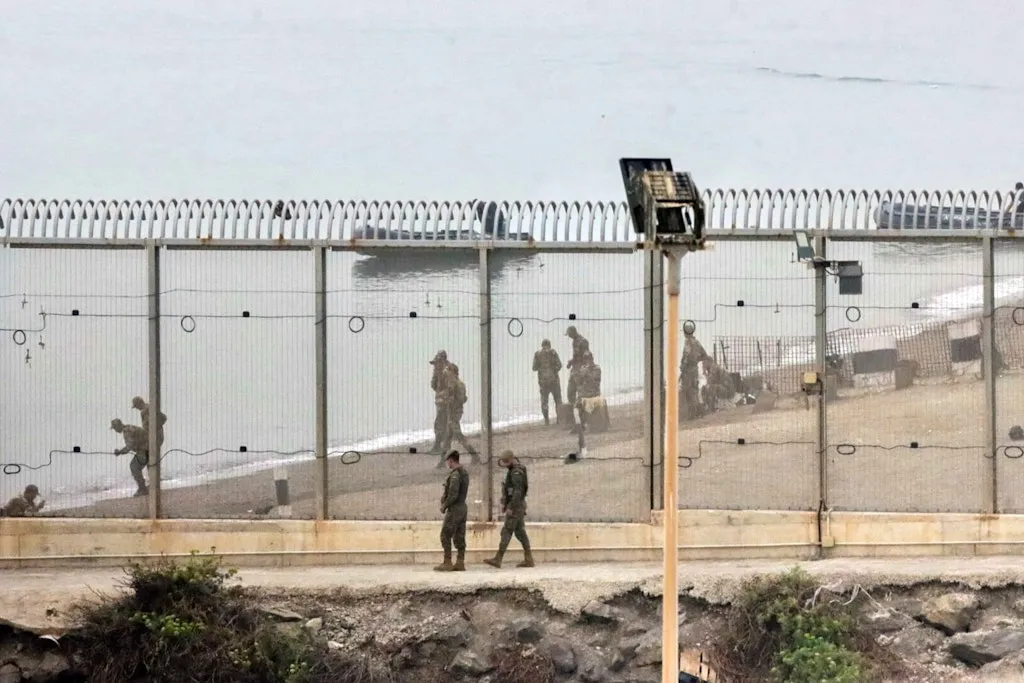
In the days leading up to the anticipated migrant surge, Morocco has intensified its security protocols along the border. Reports indicate that additional barbed wire barricades and NATO wire have been established in the border town of Fnideq. Patrolling boats are now monitoring the coastline, and water cannons are positioned at the border to deter migrants. Furthermore, numerous checkpoints have been set up on access roads to enforce stricter controls. In Ceuta, approximately 880 officers from the Spanish National Police are actively deployed, an increase of 270 from the end of July. They are supported by around 2,000 soldiers and 700 officers from the Guardia Civil.
The unprecedented surge of migrants two weeks ago culminated on July 30, when tens of thousands arrived, primarily by swimming. Tragically, dozens lost their lives during this attempt; the latest official reports from Madrid state that 83 bodies were recovered from the sea, while NGOs estimate the death toll to be well over a hundred. Most of the arrivals returned to Morocco within a few hours or days, but according to Minister Grande-Marlaska, approximately 5,000 migrants currently remain in Ceuta. He acknowledged that it would take some time before normalcy could be fully restored.
As reported by bluewin.ch.