
Government Coalition Emerges Victorious Amidst Low Voter Turnout
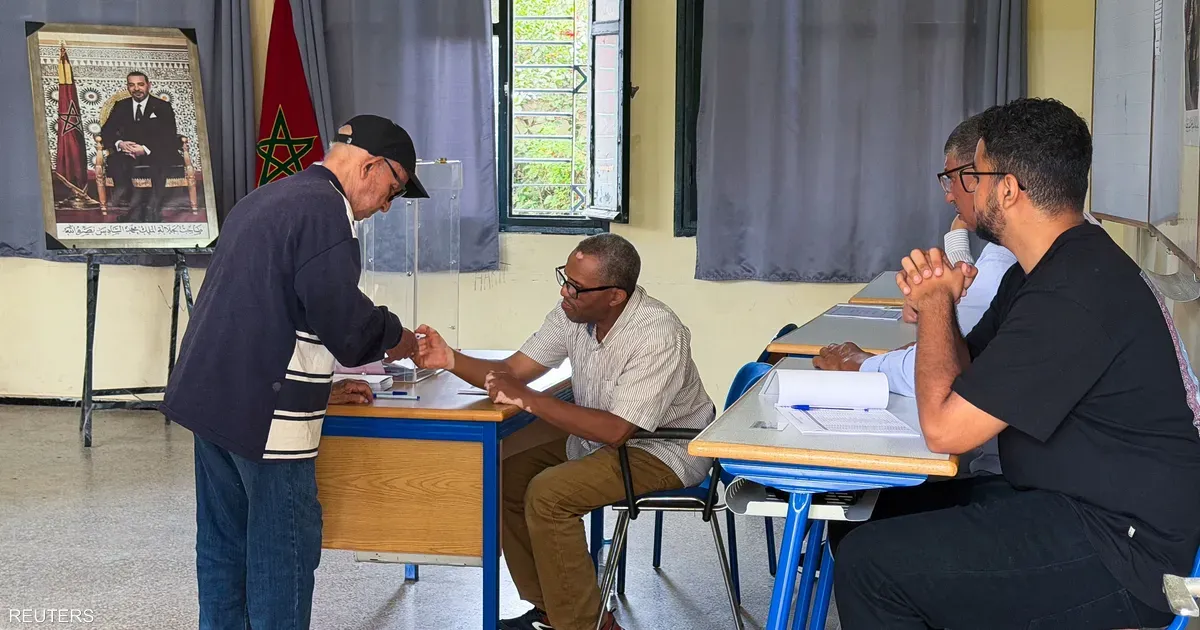
The recent legislative elections in Morocco, held on Wednesday, were characterized by a significantly high abstention rate, reflecting a growing disillusionment among voters. The results revealed that the Party of Authenticity and Modernity (PAM), a key player in the ruling coalition, has secured a leading position with 97 seats, according to preliminary results released by the government. Following closely was the National Rally of Independents (RNI), which led the outgoing coalition, achieving 66 seats. The right-wing Istiqlal party claimed 65 seats, while the opposition Islamist Justice and Development Party (PJD) garnered 54 seats, a notable increase from the mere 13 seats it obtained in the previous elections, attributed to the return of its former Prime Minister Abdelilah Benkirane. Additionally, leftist parties such as the USFP, PPS, and FGD managed to secure 26, 19, and 8 seats respectively.
Implications of the Election Results
Moroccan citizens flocked to the polls on Wednesday to elect representatives for the Parliament for the upcoming five years. However, the elections have been criticized for lacking real influence over the country's most critical matters, as significant decisions are predominantly reserved for one individual: King Mohammed VI. From his residence at the Dar al-Makhzen Palace, the monarch retains considerable power, thus limiting the impact of parliamentary elections on Morocco's governance. The turnout and results underline a persistent challenge for the Moroccan political landscape, as the electorate grapples with a sense of disengagement from the electoral process.
As reported by abc.es.