
King Mohammed VI Appoints Fatima Ezzahra El Mansouri as Prime Minister
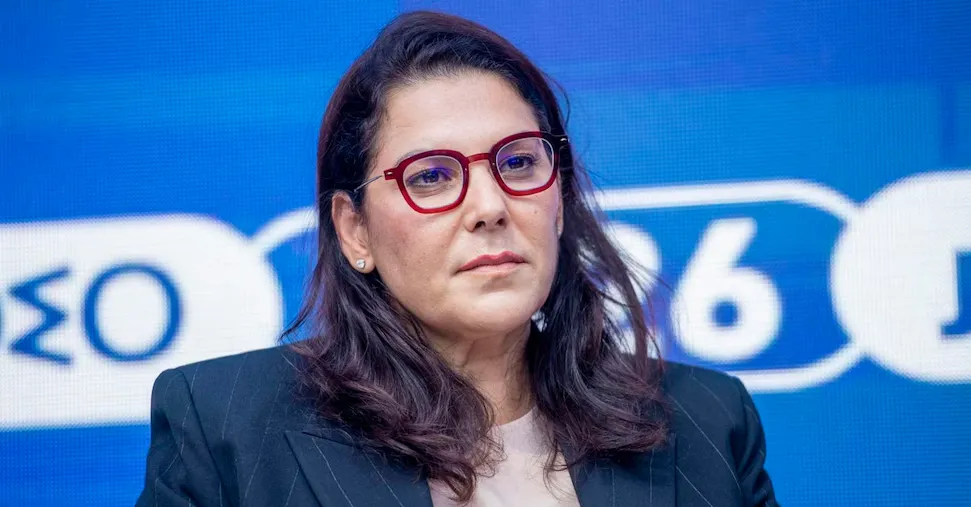
In a groundbreaking move for Moroccan politics, King Mohammed VI has appointed Fatima Ezzahra El Mansouri as the head of government, marking a significant shift in the nation’s governance. Announced by the Ministry of the Royal Household, Protocol and the Chancellery, this decision makes El Mansouri the first woman to ever lead a government in Morocco. The appointment took place at the Royal Palace in Rabat, adhering to Article 47 of the Moroccan Constitution. At 50 years old, El Mansouri serves as the coordinator of the collective leadership of the Authenticity and Modernity Party (PAM), one of Morocco's prominent political parties.
Following her royal audience, the newly appointed Prime Minister expressed her commitment to forming a cabinet that aligns with the aspirations of His Majesty the King and the Moroccan populace. She emphasized the urgency of initiating consultations within her party and with other political factions to devise a program founded on 'realistic and concrete solutions,' particularly aimed at addressing the needs of the younger generations.
El Mansouri's Journey from Marrakech to the National Stage
Born on January 3, 1976, in Marrakech, Fatima Ezzahra El Mansouri possesses a robust legal background complemented by extensive political and administrative experience. She earned her degree in private law from Mohammed V University in Rabat, followed by a postgraduate diploma in corporate contract law from the University of Montpellier and a certificate in Anglo-Saxon law from Pace University in the United States. Since 2005, she has been a practicing lawyer in Marrakech.
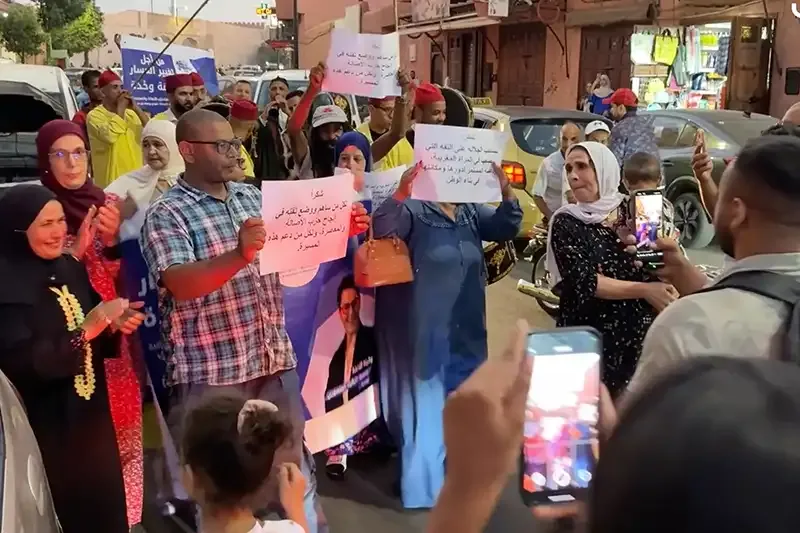
El Mansouri's political career commenced in 2007 when she joined the Movement of All Democrats, and she played a crucial role in the establishment of PAM the following year. Her prominence at the national level is largely tied to her leadership in Marrakech, where she headed the City Council from 2009 to 2015 and resumed the role in 2021, a position she will hold until 2027. Additionally, she represented her constituency as a Member of Parliament from 2011 to 2016 and again from 2016 to 2021, while also leading the National Council of PAM from 2015 to 2024 and coordinating the management of training since 2024.
Her previous role as the head of the Ministry of National Territorial Planning, Urban Planning, Housing, and Urban Policy from 2021 to 2026 further underscores her expertise in urban development and infrastructure, areas vital for Morocco's growth.
El Mansouri's appointment carries significant implications on institutional, political, and symbolic levels. It is the first time a woman has assumed such a powerful position in Morocco, a country where the monarch wields considerable authority, and the government is essential for implementing public policies. This new role places El Mansouri at the core of executive action coordination and parliamentary majority formation.
Her focus on youth, the public's high expectations, and the necessity for tangible solutions signal an agenda centered on critical issues like employment, access to services, housing, urban development, and territorial cohesion. These are areas where she holds practical experience as both a former mayor and a former minister.
El Mansouri’s rise to power is part of a broader movement towards enhancing the status of women in Morocco during King Mohammed VI’s reign, which began in 1999. Significant reforms, including the 2004 revision of the Moudawana, or Family Code, have paved the way for greater gender equality, establishing joint responsibility in family matters, setting the minimum legal marriage age at 18, and tightening regulations around polygamy.
The increased representation of women in Moroccan institutions and diplomatic roles has been notable in recent years. High-profile appointments, such as Mounia Boucetta as ambassador and secretary-general of the Ministry of Foreign Affairs, highlight the progress made. The appointment of El Mansouri as Prime Minister not only reinforces this trajectory but also serves as a critical test of her ability to form a stable government and implement policies that advance employment, education, social protection, regional development, and equal opportunities for all.
As reported by en.ilsole24ore.com.