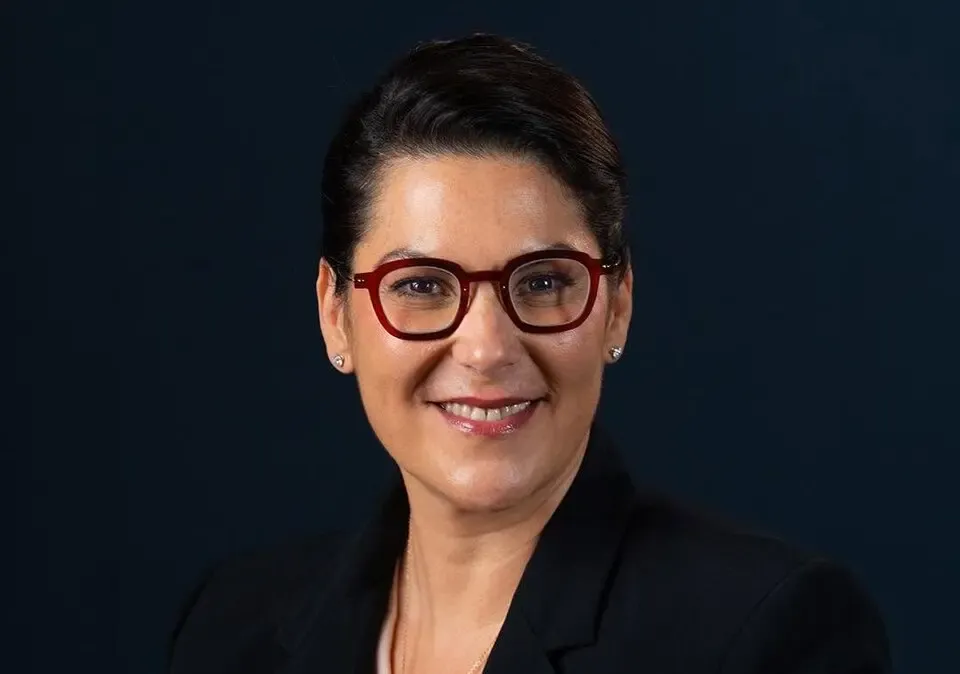

On September 29, 2026, King Mohammed VI made a groundbreaking decision by appointing Fatima Ezzahra El Mansouri as the head of the Moroccan government, marking a significant milestone as she becomes the first woman to hold this position in the kingdom's history. Her appointment comes in the wake of the legislative elections held on September 23, 2026, which revealed significant insights into the current political landscape. The anticipated victory of the Authenticity and Modernity Party (PAM) alongside the resurgence of the Justice and Development Party (PJD), coupled with the lowest voter turnout in two decades, suggests a complex political scenario for the newly formed executive branch. According to Houssam Hatim, a former journalist in Morocco, these factors indicate a dual-speed mandate reflective of the country's divided socio-political landscape.
Fatima Ezzahra El Mansouri's rise to power is historic, not only for Morocco but also resonates globally. As the coordinator of PAM's collegiate leadership, the mayor of Marrakech, and the outgoing minister of land management, her leadership is being closely watched both domestically and internationally. Major news outlets, including the BBC and The New York Times, have highlighted her journey from a trained lawyer to leading her party for the past two years. French publications such as Les Échos and Le Figaro have described her as a 'great leader' and 'the woman of firsts in Morocco.' Meanwhile, Liberation chronicles her as a 'Prime Minister from within the ranks.' This choice is perceived both in Morocco and internationally as a symbol of the modernization efforts led by Mohammed VI, particularly regarding women's access to leadership roles.
Political Landscape Shifts: A New Majority in Negotiation
El Mansouri's appointment initiates negotiations for the formation of a new parliamentary majority. With PAM securing 97 out of 395 seats, it will need to gather support from at least 101 additional deputies to achieve an absolute majority in the House of Representatives. This presents an initial challenge for the new Prime Minister as she navigates the new parliamentary dynamics. Notably, the three parties from the outgoing majority have once again claimed the top positions, with PAM being the only one to gain seats compared to the previous elections. The Rassemblement National des Indépendants (RNI) has dropped to second place with 66 seats, a decrease of 36, attributed to the tarnished image of its outgoing leader, Aziz Akhannouch. The Istiqlal Party (PI) maintains its third position with 65 seats, down by 16.
This new electoral order confirms the trends observed during the campaign. The PAM's victory can be attributed to its strategic electoral maneuvers, distancing itself from its government's record while simultaneously taking on the role of a vocal critic. Additionally, the party has managed to mitigate the political fallout from corruption allegations against some of its members. This success can also be credited to the influential role played by Fouzi Lekjaa, the President of the Moroccan Royal Football Federation and the outgoing minister responsible for Budget, whose popularity and administrative experience significantly benefited PAM.
Emerging Bipolarity: The Resurgence of the PJD
Another key figure emerging from these elections is Abdelilah Benkirane, the former Prime Minister (2011-2017) and current Secretary-General of the PJD. His party, previously devastated in the 2021 elections, has made a remarkable comeback, jumping to the fourth position with 54 seats. This resurgence, however, masks a more favorable performance in terms of votes, as the PJD received more votes than the RNI, which secured a higher number of seats. Benkirane's decision to lead the opposition strengthens his position as the primary adversary to the new government and PAM leadership. This political rivalry, which dates back to the establishment of PAM in 2008, has the potential to shape the upcoming political landscape significantly.
Despite this electoral shift, the recent elections raise concerns about the direction of Morocco over the next five years. The low voter turnout of only 38.02% highlights a growing disconnection between the political class and the electorate, with many young voters feeling particularly disenfranchised. As various royal projects take precedence across party lines, the lack of a substantive debate on government programs remains alarming. This electoral cycle has seen political maneuvering overshadow meaningful discussions on policy, resulting in what some analysts refer to as a 'mercato' in Moroccan politics, where candidate movements take precedence over ideological commitments.
As reported by jean-jaures.org.