
Fatima Zahra El Mansouri Makes History as Morocco's First Female Prime Minister
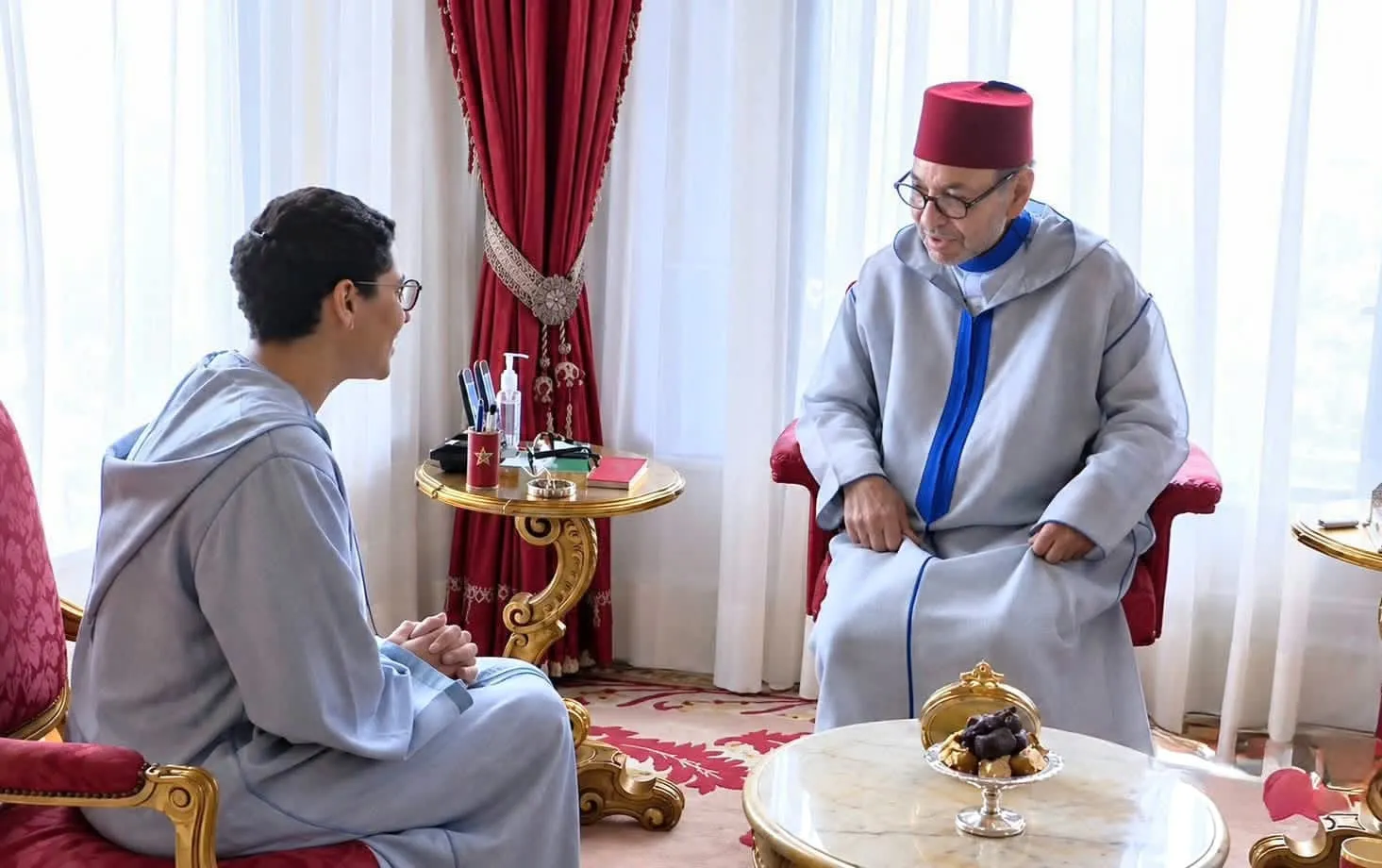
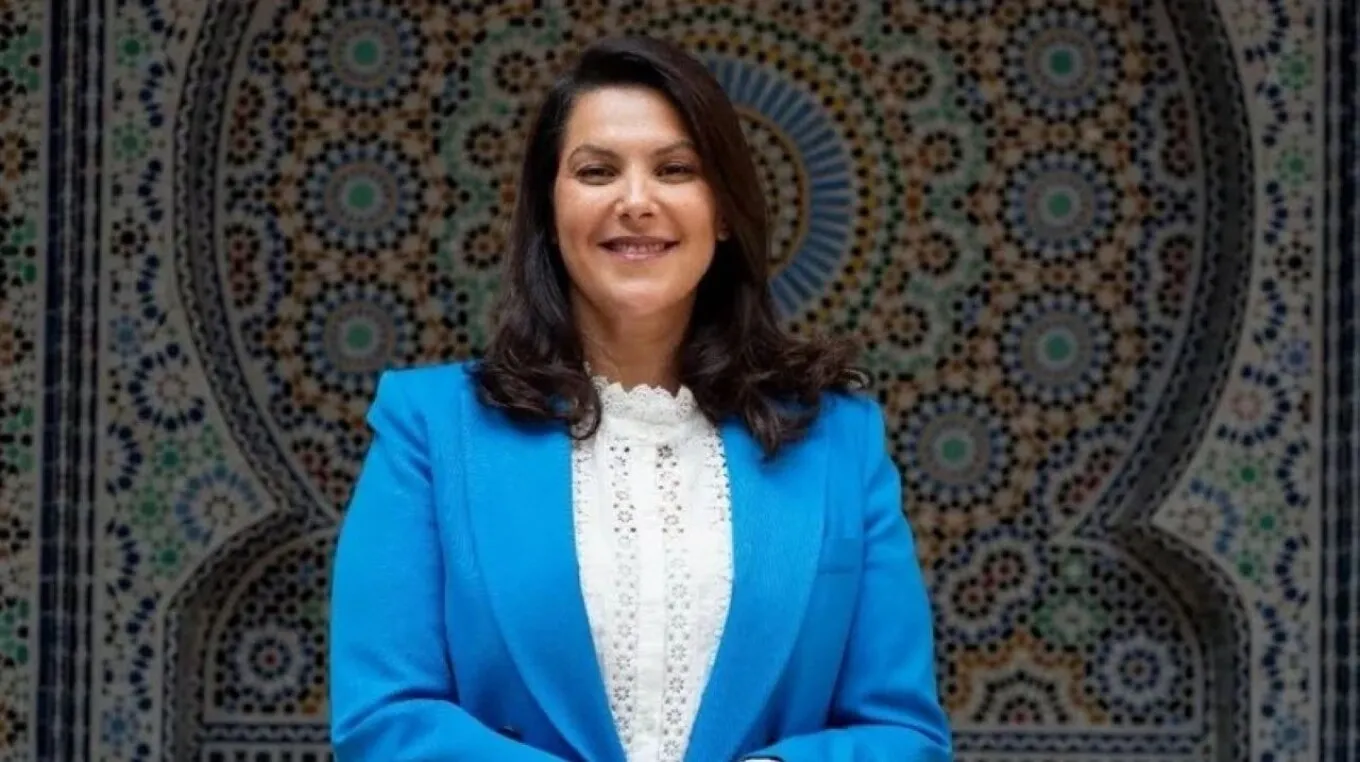
In a landmark decision, King Mohammed VI of Morocco has appointed Fatima Zahra El Mansouri as the country's Prime Minister following her party's success in the recent parliamentary elections. This significant appointment marks a historic first for Morocco as it is the first time a woman has been entrusted with the leadership of the government. El Mansouri, the national coordinator of the Authenticity and Modernity Party (PAM), was officially tasked with forming a new government during an audience with the King at the Royal Palace in Rabat.
The PAM, a center-right political party that was part of the outgoing coalition, secured 97 out of 395 seats in the House of Representatives, although the elections were marred by a low voter turnout of only 38%, the lowest in nearly two decades. El Mansouri, aged 50 and a trained lawyer, faces the challenge of governing without an absolute majority, relying on the support of other political factions to establish a functioning government. It is important to note that while she will lead the government, the strategic direction of key sectors will remain under the purview of the monarch.
El Mansouri's political journey began with her joining the PAM at its inception in 2008, a party founded by Fouad Ali El Himma, a former advisor to the King who withdrew from politics in 2011. Notably, she broke ground in 2009 when she became the first female mayor of Marrakech at the young age of 33, and she was re-elected for a second term in 2021. Prior to her appointment as Prime Minister, she served as the Minister of Housing in the outgoing government led by Aziz Akhannouch.
As Prime Minister, El Mansouri aims to address the longstanding socio-economic issues plaguing the nation and to restore citizens' trust in the political system. During her campaign, she pledged to drive an average economic growth rate of 5% annually while reducing inflation to 2%, ensuring the preservation of citizens' purchasing power, and creating at least one million new jobs. Following the elections, the Rassemblement National des Indépendants (RNI), led by the outgoing Prime Minister Aziz Akhannouch, emerged as the second-largest party with 66 seats, a loss of 30 seats compared to the previous election. Meanwhile, the Istiqlal Party, also part of the former coalition, secured 65 seats, while the opposition Islamist Party for Justice and Development (PJD) saw its representation quadruple from 13 to 54 seats, focusing its campaign on anti-corruption measures. Just a day after the elections, PJD Secretary-General Abdelilah Benkirane indicated that his party would not participate in a coalition government.
As reported by gazetaexpress.com.