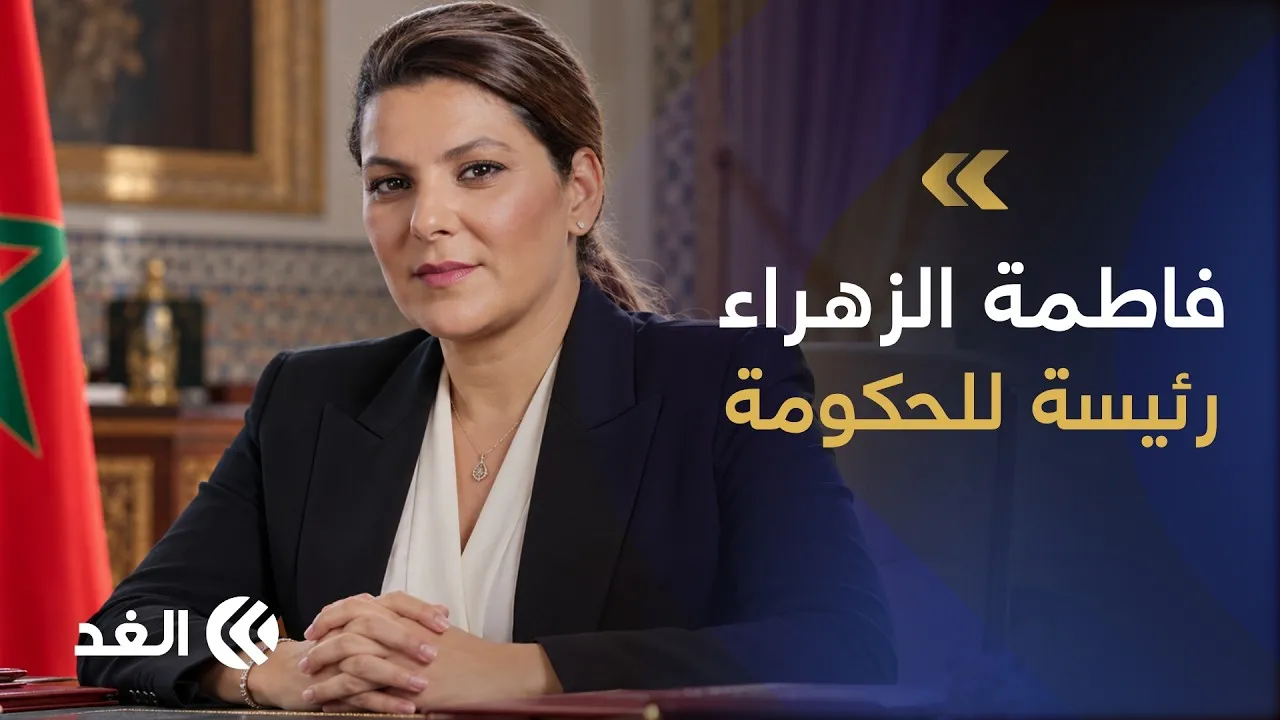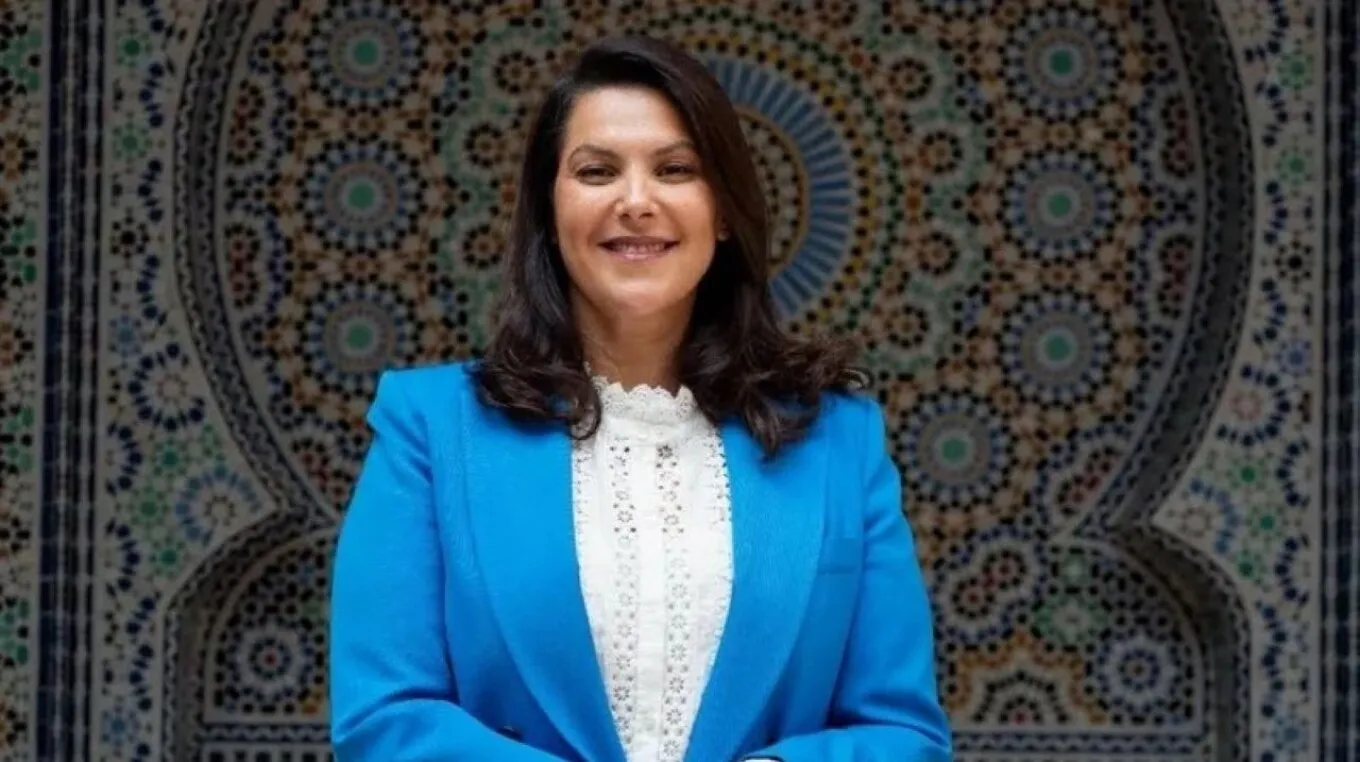

In a groundbreaking move for gender representation in Morocco, King Mohammed VI has appointed Fatima Zahra El Mansouri as the Prime Minister following her party's successful performance in the recent parliamentary elections. This historic appointment marks the first time a woman has led the Moroccan government, a significant milestone in the nation’s political landscape.
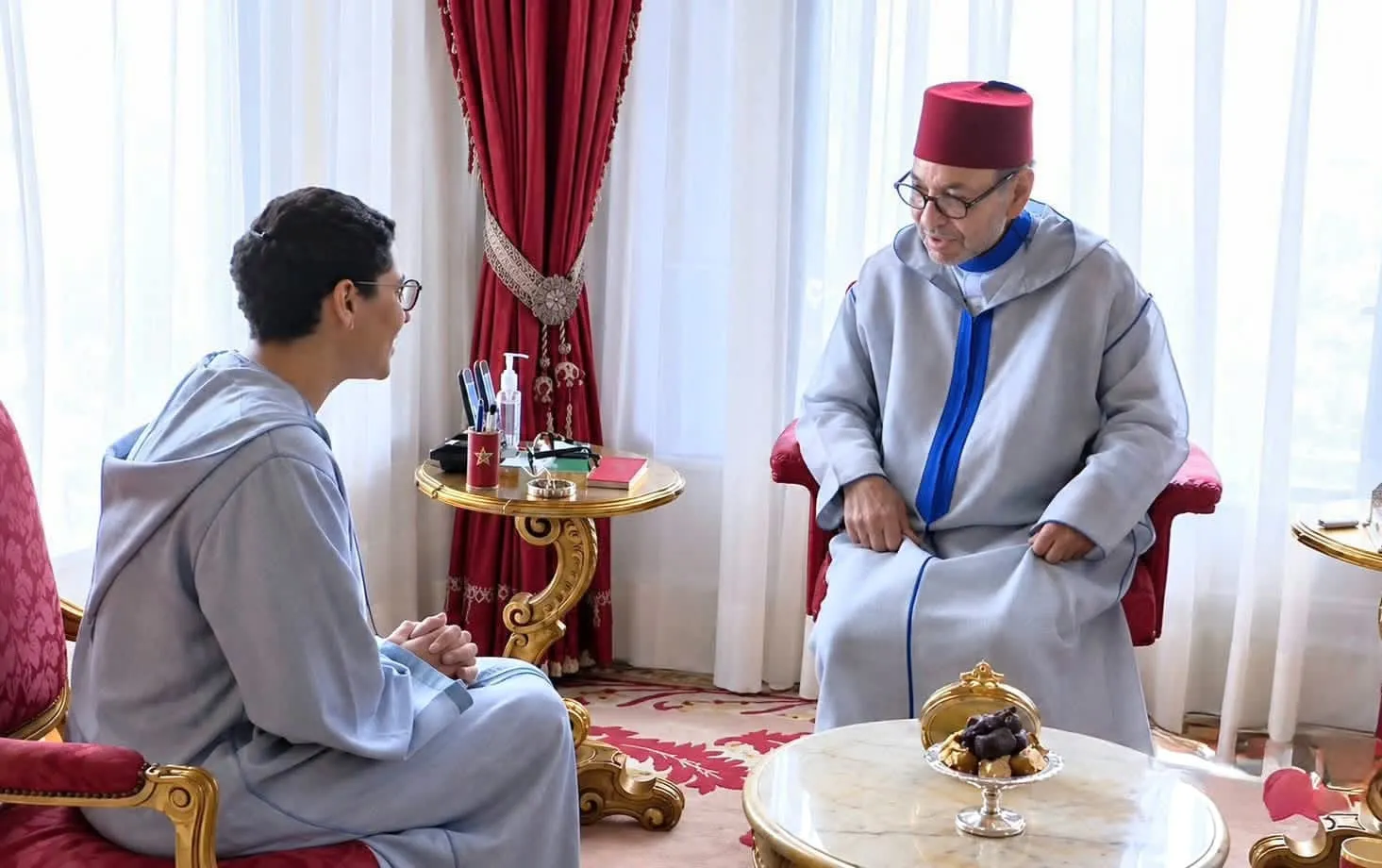
King Mohammed VI met with El Mansouri, who serves as the national coordinator of the Party of Authenticity and Modernity (PAM), at the royal palace in Rabat to officially assign her the task of forming the new government. The PAM, a center-right political party that was part of the outgoing coalition, secured 97 out of 395 seats in the House of Representatives during elections characterized by a notably low voter turnout of only 38%, the lowest in nearly two decades.
At 50 years old, El Mansouri, a trained lawyer, does not hold an absolute majority and will need to seek support from other parties to establish a governing coalition. However, the strategic direction of key sectors within the country will continue to rest solely with the King, ensuring that royal oversight remains integral to Moroccan governance.
El Mansouri has been with the PAM since its inception in 2008, a party founded by former royal advisor Fouad Ali El Himma, who stepped back from politics in 2011. She made history in 2009 by becoming the first woman elected as mayor of Marrakech at the age of 33 and was re-elected for a second term in 2021.
Prior to her premiership, El Mansouri served as the Minister of Housing in the outgoing government led by Aziz Akhannouch and was elected as a deputy in the elections held on September 23. Her agenda as Prime Minister includes addressing longstanding socioeconomic challenges and rebuilding public trust in the political system. During her campaign, she promised her party would achieve an average economic growth rate of 5% annually, while also reducing inflation to 2%, all aimed at preserving citizens' purchasing power and creating at least one million new jobs.
The National Rally of Independents (RNI), to which outgoing Prime Minister Akhannouch belongs, emerged as the second-largest party in the election with 66 seats, a decline of 30 seats from the previous election. The Istiqlal party, also part of the outgoing coalition, secured 65 seats. In contrast, the opposition Islamist Justice and Development Party (PJD), which focused its campaign on anti-corruption efforts, saw its representation quadruple from 13 to 54 seats.
One day after the elections, PJD Secretary-General Abdelilah Benkirane ruled out the possibility of his party joining a coalition government.
As reported by gazetaexpress.com.