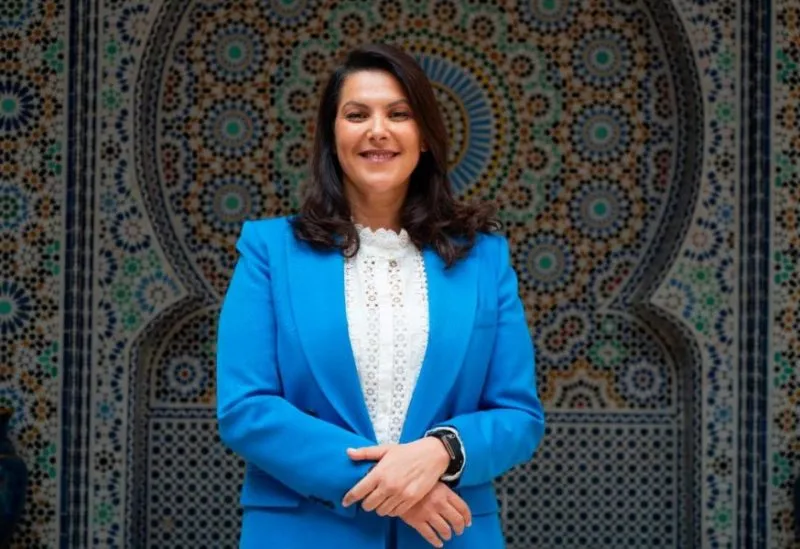
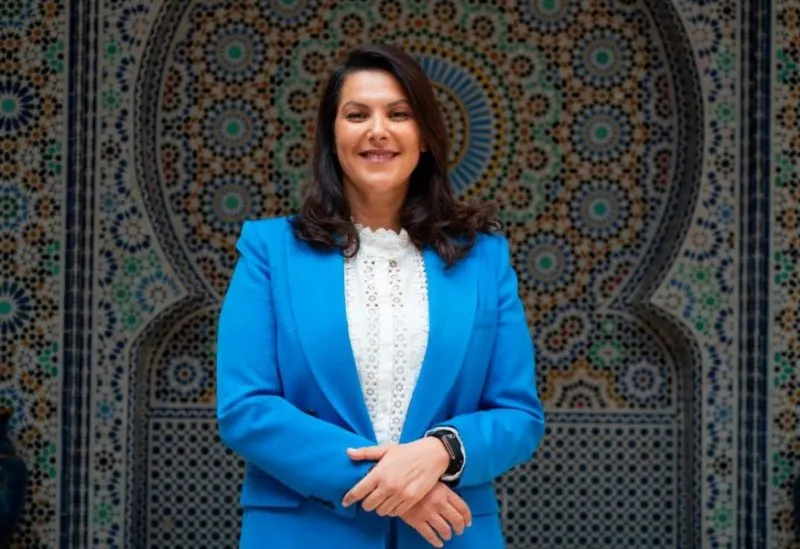
Fatima Zahra Mansouri Makes History in Moroccan Politics
In a groundbreaking move for gender representation in the Arab world, King Mohammed VI of Morocco has appointed Fatima Zahra Mansouri as the country's first-ever female prime minister. This momentous announcement was made on September 29, 2026, and represents a significant step towards inclusivity in a nation where traditional gender roles have often dominated the political landscape. Mansouri, a seasoned attorney and former mayor of Marrakech, now bears the responsibility of forming a new government following her party’s success in the recent parliamentary elections.
Prior to her appointment, Mansouri served as the Urban Planning Minister and was a prominent figure in the centrist Authenticity and Modernity Party (PAM), which emerged as the frontrunner in the election results announced just days earlier. With her extensive experience in governance, including two terms as the mayor of Marrakech, Mansouri is well-equipped to tackle the challenges ahead, which include forming a coalition government—a necessity in Morocco's electoral system that often prevents any single party from achieving an outright majority.
A Promising Future Amid Challenges
The Moroccan Constitution mandates that the king appoint the prime minister from the party that secures the most seats in the parliament, a democratic shift that was influenced by the Arab Spring protests in 2011. This change has ushered in a new era of political accountability and representation. Mansouri's appointment not only marks her as the first woman to hold this office in Morocco but also places her in the ranks of only the second woman to serve as prime minister in the Arab world, following Tunisia's Najla Bouden.
As Mansouri prepares to build her coalition, she faces the dual challenge of addressing pressing economic issues, such as inflation and job creation, while also steering the nation towards significant investments associated with the upcoming 2030 FIFA World Cup. The stakes are high, as her government will be expected to deliver tangible results to the Moroccan populace, particularly in the wake of recent electoral events that highlighted the need for responsive governance.
Mansouri's political journey began with her joining PAM at its inception in 2008, a party founded by a close advisor to the king, which has now garnered substantial support with one million votes out of 15.8 million registered voters in the recent elections. However, her ascent has not been without controversy; she has faced allegations of conflict of interest related to land transactions in Marrakech, which she has firmly denied, labeling them as defamatory and pursuing legal action against those claims.
The road ahead for Mansouri is uncertain, as she seeks to navigate the complexities of coalition-building in a politically diverse landscape, marked by both cooperation and opposition from various parties, including the Islamist Justice and Development Party and the left-wing Federation of Democratic Left. As the nation watches closely, her tenure could either pave the way for a new political paradigm in Morocco or reaffirm the challenges that women face in leadership roles across the region.
As reported by pbs.org.