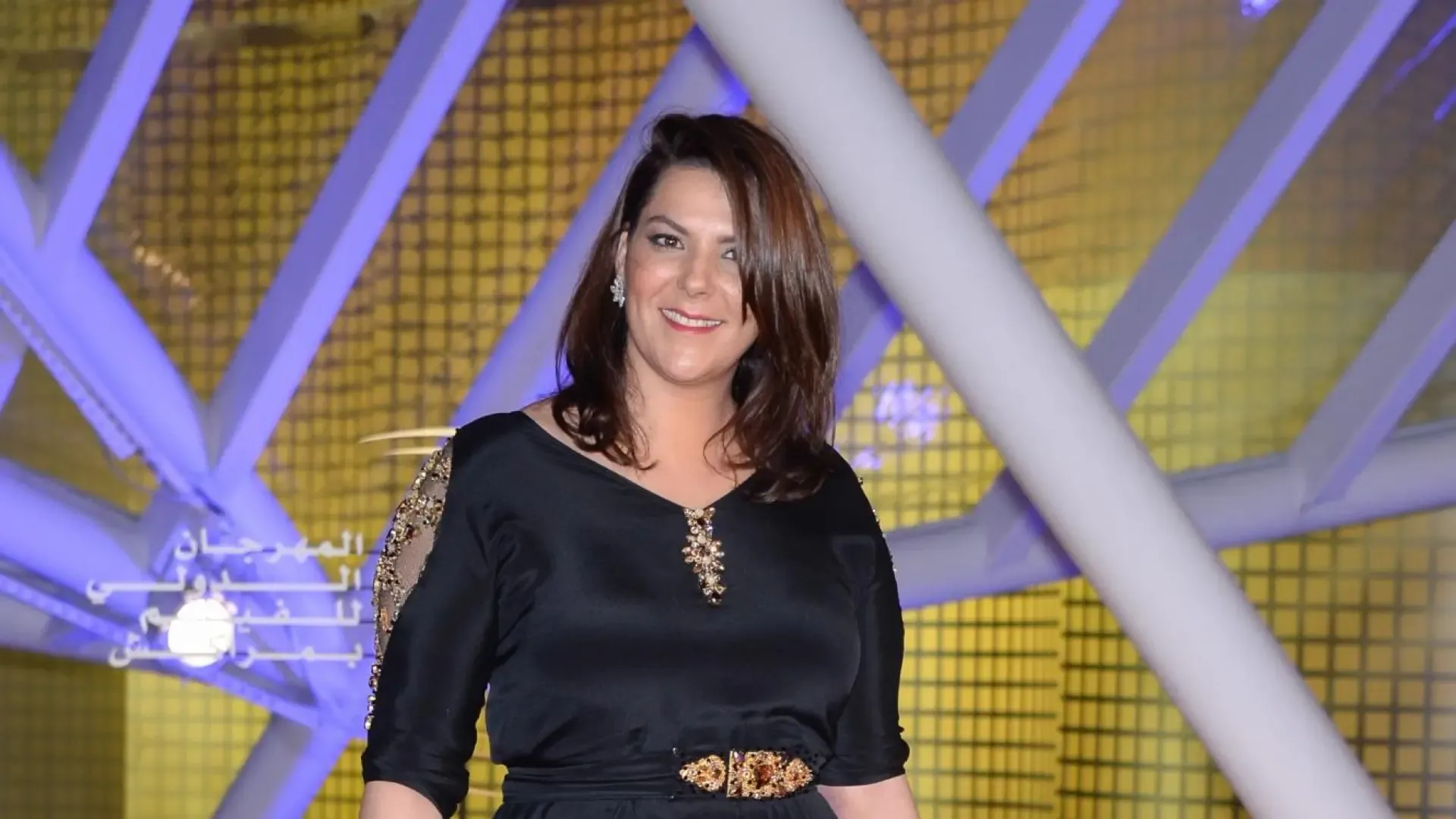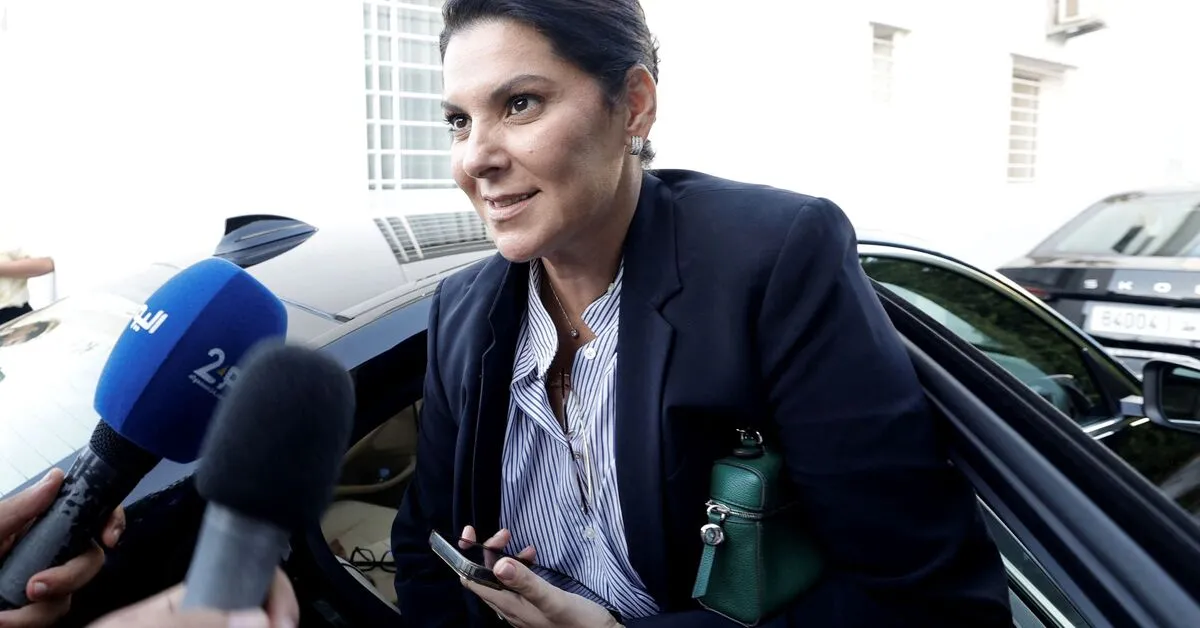

Fatima Zahra Mansouri Makes History as Morocco's First Female Prime Minister
On Tuesday, King Mohammed VI of Morocco made a groundbreaking decision by appointing Fatima Zahra Mansouri as the country's first female Prime Minister. With this appointment, she has become the second woman to hold the position of Prime Minister in the Arab world, following Najla Bouden in Tunisia. This significant announcement comes less than a week after Mansouri's party, the Authenticity and Modernity Party (PAM), secured the highest number of seats in the Moroccan parliamentary elections held on September 23, winning 97 out of 395 seats in the lower house. Voter turnout was approximately 38%, a decline from 50% in 2021, marking the lowest participation rate since 2007.
Mansouri's immediate responsibility will be to negotiate the formation of a government coalition. In a statement to the press on Tuesday, she described her appointment as a "historic moment for our country." She emphasized the importance of this phase and the high expectations of citizens, particularly the youth, stating, "We will set a program that offers realistic and tangible solutions." The PAM's campaign primarily focused on creating at least one million jobs by 2031 and expanding investments in social programs.
Background and Political Journey
Born on January 3, 1976, in Marrakech, the 50-year-old Mansouri hails from a family with roots in the nearby Ramna area. Her father, Abdel Rahman Mansouri, served as a local official in Marrakech before becoming Morocco's ambassador to the United Arab Emirates. According to her biography from the Organisation for Economic Co-operation and Development (OECD), Mansouri attended French schools in Marrakech and later studied law at the University of Montpellier in France. She also obtained a degree in Anglo-American business law from Pace University in New York, as well as a private law degree from Mohammed V University in Rabat.
Upon returning to Morocco, Mansouri worked as a lawyer specializing in commercial and real estate transactions, as noted on the PAM website. She entered politics through the All Democratic Movement, which preceded the establishment of PAM in 2008. In 2009, at the age of 33, she became the first woman elected as the mayor of Marrakech. She was subsequently elected to the House of Representatives in 2011, serving two consecutive terms from 2011 to 2016 and from 2016 to 2021. From 2015 to 2024, Mansouri presided over the national council of the National Action Party. She returned to the mayoral position of Marrakech after the 2021 elections.
In October 2021, she joined Prime Minister Aziz Akhannouch's government as Minister of National Regional Planning, Urban Planning, Housing, and City Policy. In 2024, Mansouri became the coordinator of the collective leadership of the Moroccan National Movement Party, and in 2026, she led the party during the 2026 electoral campaign. This party is generally regarded as centrist and was established in 2008 partly as an alternative to the Islamist Justice and Development Party, which governed Morocco from 2011 to 2021.
However, her political journey has not been without controversy. In July 2025, she faced allegations of conflict of interest concerning the sale of family-owned land near Marrakech in 2023. These allegations surfaced in leaked documents attributed to the hacking group "Jabbarut." Mansouri denied any wrongdoing, asserting that the land was inherited by her family and that the transaction was unrelated to her government position.
As she steps into her new role, the economic pressures on Morocco are likely to be pivotal during Mansouri's tenure. The Moroccan National Movement Party has made employment and the purchasing power of families central to its 2026 electoral campaign, pledging to create one million new jobs over the next five years while also increasing investment in healthcare, education, social protection, and wages. These priorities emerge amidst growing frustration among Moroccan youth regarding the economic conditions and job opportunities available in the country. In 2025, protests led by young people, initially sparked by deteriorating healthcare and poor hospital conditions, spread across cities nationwide, with demonstrators calling for improved education and enhanced social justice. Earlier this year, Morocco's High Planning Authority reported that unemployment among Moroccans aged 15 to 24 rose from 36.7% in 2024 to 37.2% in 2025.
As Mansouri's domestic agenda unfolds, it will be complemented by a foreign policy largely shaped by the Moroccan monarchy, which retains primary authority over foreign affairs and defense.
As reported by al-monitor.com.