
Fatima Zahra Mansouri: A Pioneering Leader in Moroccan Politics
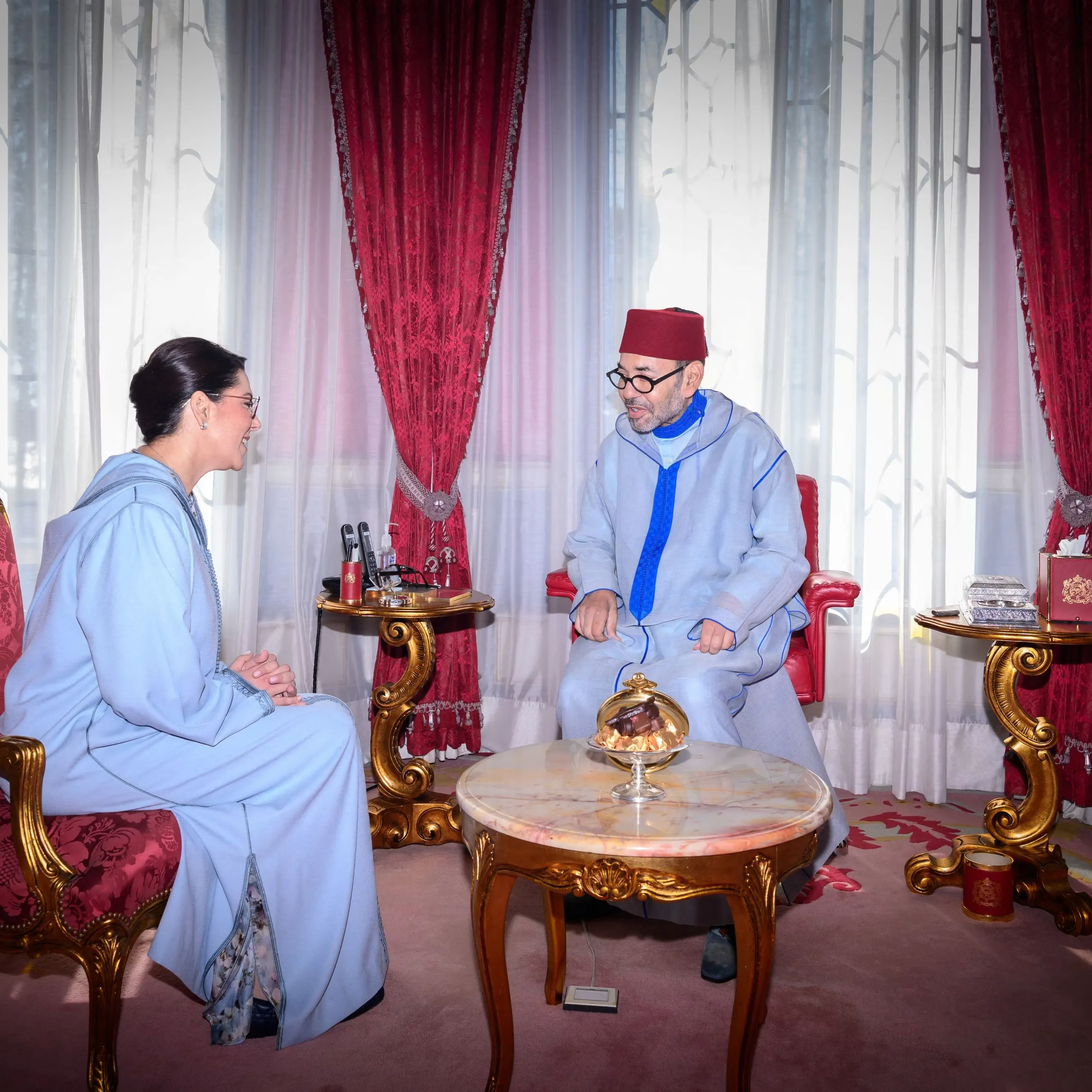
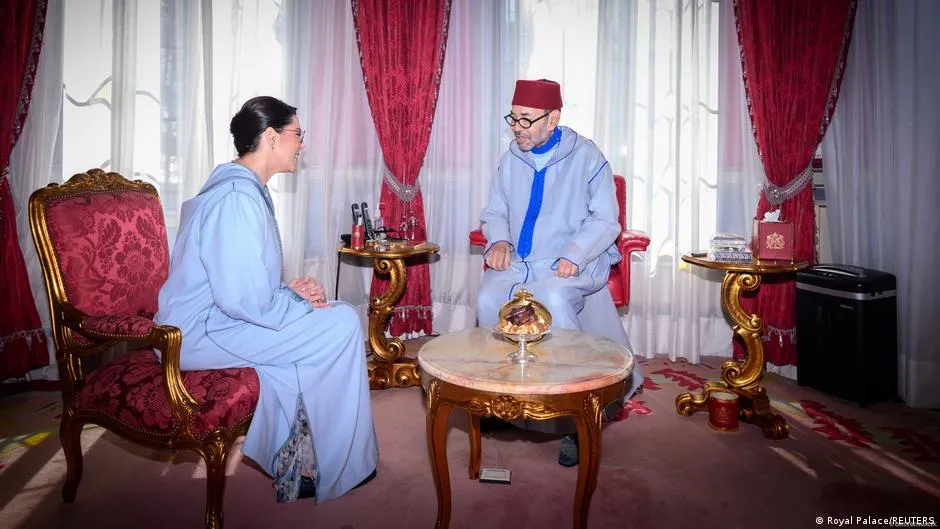
In a landmark decision that resonates profoundly across the Arab world, King Mohammed VI of Morocco has appointed Fatima Zahra Mansouri as the nation's first female prime minister. This historic event follows a decisive victory for her party, the Authenticity and Modernity Party (PAM), in the recent parliamentary elections where they secured 97 out of 395 seats in the House of Representatives. Although this achievement places the PAM short of an outright majority, it marks a significant step towards progressive leadership in a region where women's representation in political roles has traditionally been limited.
Mansouri’s appointment not only positions her as a central figure in Moroccan politics but also makes her only the second woman in the Arab world to hold a prime ministerial office, following Tunisia's Najla Bouden. This move is seen as an essential stride towards gender equality in leadership roles within the region, where cultural norms have often restricted women's participation in high-level governance. As Mansouri embarks on this pivotal role, she is expected to navigate the complexities of coalition building, as her party must engage in negotiations with other political factions to form a viable government.
Implications of Mansouri's Leadership
The political landscape in Morocco remains intricately linked to the monarchy, with King Mohammed VI retaining substantial power over key sectors such as religion, military, and foreign affairs. This creates a unique backdrop for Mansouri as she takes on her responsibilities amid ongoing discussions about the future direction of the country. Her leadership is anticipated to address pressing social and economic issues while promoting a vision of modernization that aligns with Morocco's aspirations for growth and development.
Mansouri's successful rise to the premiership is not just a personal triumph but a beacon of hope for many women in Morocco and beyond, symbolizing the potential for change within entrenched political systems. As she prepares to lead the government, all eyes will be on her administration to see how it tackles the challenges ahead and works to inspire a new generation of female leaders in the Arab world.
As reported by dw.com.