
Fatima Zahra Mansouri's Groundbreaking Appointment
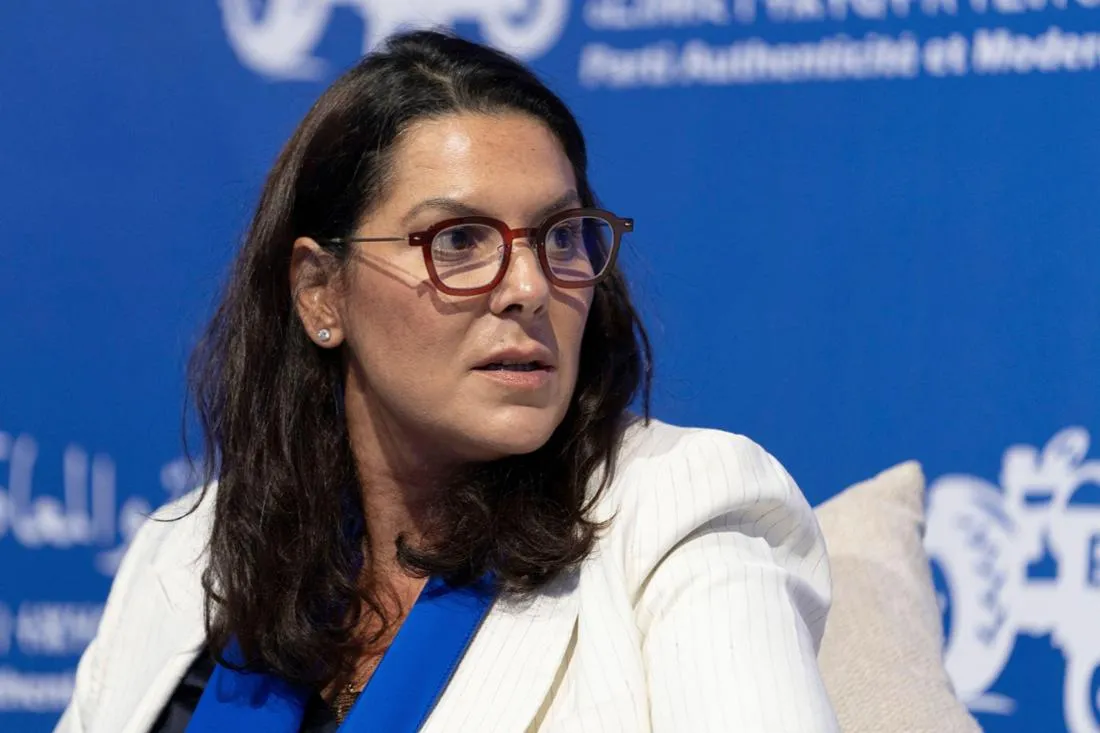
In a significant political development for the Arab world, Fatima Zahra Mansouri has been appointed as Morocco's first female Prime Minister by King Mohammed VI. Her appointment marks a historic moment, as she becomes only the second woman to lead a government in the Arab region, following Najla Bouden of Tunisia. Mansouri, who previously served as the Minister of Urban Planning and the Mayor of Marrakech, is now tasked with forming a new cabinet, as announced by the Royal Palace. Her rise to the position comes just days after her party, the Authenticity and Modernity Party (PAM), garnered the most votes in the recent parliamentary elections, reflecting a significant milestone in her political career.
Challenges and Expectations Ahead
Mansouri's immediate challenge will be to build a coalition government, a task made complex by Morocco's electoral system, which often prevents any single party from achieving an outright majority. Her government is expected to handle major investments related to the upcoming FIFA World Cup 2030 while addressing pressing issues such as inflation, wage increases, and job creation. According to the Moroccan constitution, the King holds the ultimate authority and must appoint a Prime Minister from the party that secures the most parliamentary seats. This constitutional requirement arose from reforms advocated by demonstrators during the Arab Spring in 2011, which limited the monarchy's power to appoint leaders at will.
Having joined PAM shortly after its establishment in 2008, Mansouri has steadily climbed the ranks, becoming a prominent political figure within the party. She has a solid educational background, having studied law at the University of Montpellier in France. Her political lineage is notable as well; she is the daughter of Abderrahmane el-Mansouri, a significant local political figure who has held various influential roles, including Moroccan ambassador to the United Arab Emirates and president of the Marrakech Bar Association. Despite her achievements, Mansouri has faced allegations of conflict of interest regarding her prior positions, which she has vehemently denied, seeking legal action against her accusers.
As Morocco embarks on this new political chapter with Mansouri at the helm, all eyes will be on her coalition-building efforts and the policies her government will pursue. The PAM has expressed its willingness to collaborate with all political entities, although some parties, including the moderate Islamist Justice and Development Party and the leftist Democratic Left Federation, have ruled out cooperation, opting instead to remain in opposition.
As reported by fr.de.